ℹ️ Quick Answer: These 15 AI predictions for 2026 come from Gartner, Deloitte, the World Economic Forum, and IEEE. The big themes: 40% of business apps get AI agents, 85 million jobs shift globally, embedded AI in Google and Microsoft 365 overtakes standalone tools like ChatGPT by 300%, and companies start requiring AI-free skill tests.
📋 WHAT’S INSIDE
- AI Predictions 2026: The Obvious Shifts
- The Data-Backed AI Predictions for 2026
- The Big Picture AI Predictions 2026
- The Honest Limitations of These Predictions
- What These AI Predictions Mean for You
- Common Questions About AI in 2026
- The Bottom Line
These AI predictions for 2026 aren’t guesses. They’re backed by research from Gartner, Deloitte, the World Economic Forum, and other institutions that stake their reputation on getting this stuff right.
I’ve been tracking AI for this blog since we launched, and I’m tired of prediction lists that read like science fiction. “AI will achieve consciousness.” “Robots will take all jobs.” That’s not helpful. What’s helpful is knowing what’s actually coming so you can prepare.
So here are 15 predictions with actual data behind them. Some are obvious if you’re paying attention. Others might surprise you.
AI Predictions 2026: The Obvious Shifts
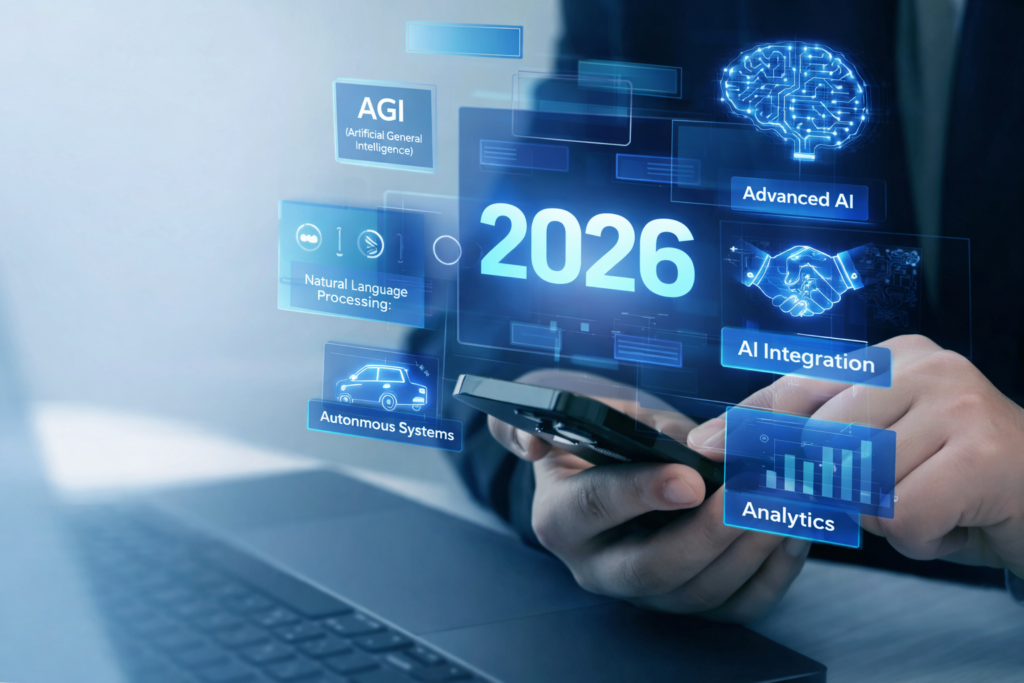
Stanford and Gartner both mark 2026 as the transition from experimental AI to operational AI. Companies will capture employee work patterns to train AI replacements, and always-listening meeting tools will trigger a mainstream privacy reckoning.
These are the predictions everyone in the industry agrees on. If you’re paying any attention to AI, you’ve probably sensed these coming.
1. The Hype Era Officially Ends
According to analysis from Stanford and Gartner, 2026 marks the transition from experimental AI to operational AI. From pilots to production. From “look what this can do” to “does this actually work reliably?”
Boards don’t want philosophy about AGI anymore. They want numbers. Does it reduce costs? Does it increase output? Does it reduce risk? The companies that win will be the ones that can ship, integrate, and operate. Not just publish impressive demos.
2. Companies Start Recording Everything You Do at Work
This one’s going to create serious backlash. For years, companies used monitoring tools to catch slackers. What changes now is the motivation. They’re capturing the step-by-step patterns of real work so AI can replicate it.
The infrastructure already exists. There’s an entire category of “bossware” collecting clicks, app usage, typing patterns, and screen activity. In 2026, workers start realizing that “training the AI assistant” can also mean “training your replacement.”
If you work from home and this concerns you, a webcam privacy cover helps with one piece of it. But the real issue is what’s being captured through your work software, not your camera.
3. Always-Listening AI Tools Trigger a Privacy Reckoning
AI meeting assistants and note-takers are useful. I use them myself. Nobody wants to miss details when drowning in calls.
The problem is consent. A lot of these tools run without everyone knowing. One breach, one workplace conflict, one legal discovery process where recordings surface, and this becomes a mainstream news story. People start assuming they’re being recorded by default. That changes how we talk, negotiate, and trust.
The Data-Backed AI Predictions for 2026
Gartner predicts 40% of enterprise apps will have AI agents (up from 5%), 50% of companies will require “AI-free” skill assessments, and Deloitte expects embedded AI (in Google, Microsoft 365, Apple) to be used 300% more than standalone tools like ChatGPT.
These predictions come with specific numbers from research institutions. When Gartner or Deloitte puts a percentage on something, they’re staking their consulting reputation on it.
4. 40% of Business Apps Get AI Agents
Gartner predicts that 40% of enterprise applications will have task-specific AI agents by end of 2026. That’s up from less than 5% today.
Think about what that means. The software you use at work, whether it’s your CRM like Salesforce, project management tool like Asana, or accounting system like QuickBooks, will have AI agents that can take actions on your behalf. Not just answer questions. Actually do things.
That means your software starts working even when you’re not.
5. Half of Companies Require “AI-Free” Skill Tests
A prediction that sounds counterintuitive. Gartner expects that by 2026, 50% of global organizations will require “AI-free” skills assessments due to declining critical thinking abilities.
When everyone uses AI to write, analyze, and problem-solve, the ability to think independently becomes rare. And rare means valuable. Companies will start testing whether candidates can actually think without assistance, because they’ve learned the hard way that some employees are just prompt-relay machines.
6. Embedded AI Crushes Standalone Tools
Deloitte predicts that accessing AI within a search engine will be 300% more common than using any standalone AI tool. Most people won’t go to ChatGPT or Claude directly. They’ll use AI where it’s already embedded. Google Search, Microsoft 365 Copilot, Apple Intelligence, their email client, their phone.
This matters because it means AI becomes invisible. You won’t “use AI” as a separate activity. It’ll just be part of how everything works. For most people, that’s actually how AI adoption happens. Not downloading a new app, but noticing their existing tools got smarter.
7. Customer Service Goes AI-First
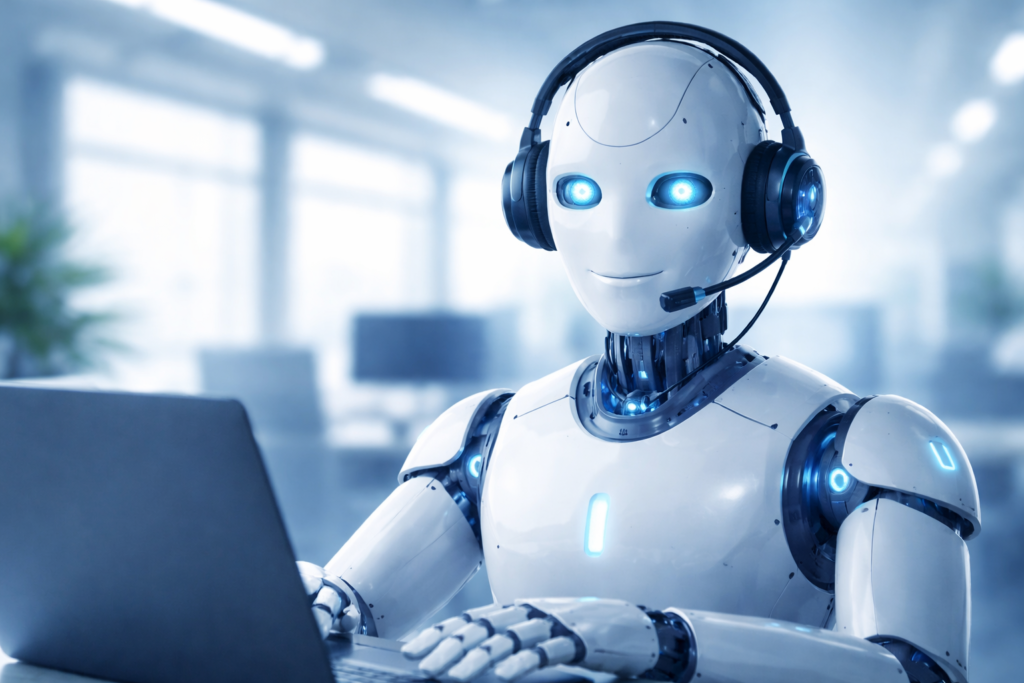
By 2026, the first line of customer support in telecom, retail, airlines, and utilities will be fully AI-driven. Humans handle exceptions and relationship-sensitive cases. Everything else goes to the bot first.
You’ve probably already experienced early versions of this. It gets better, faster, and more widespread. The upside is faster resolution for simple problems. The downside is it becomes harder to reach a human when you actually need one.
8. “Guardian Agents” Emerge to Watch Other AI
This is a new category Gartner identified for 2026. AI systems designed specifically to monitor other AI systems. As companies deploy more AI agents, they need something watching to make sure those agents don’t go off the rails.
It’s AI babysitting AI. Sounds redundant until you realize that autonomous agents can make mistakes at machine speed. You need automated oversight just to keep up.
9. Agentic Shopping Changes How You Buy
Large retailers like Walmart and Target are embracing what’s called “agentic shopping.” AI assistants that don’t just recommend products but actually manage your shopping. Reordering household essentials before you run out. Finding deals. Comparing options across stores.
According to IEEE’s global survey, 52% of technologists expect AI personal assistants to reach mass consumer adoption in 2026. Your AI might do your grocery shopping before you realize you needed groceries.
The Big Picture AI Predictions 2026
Smart glasses from Meta, Apple, and Samsung finally go mainstream with useful AI features, the World Economic Forum estimates 85 million jobs displaced globally (though Goldman Sachs and the IMF expect most to transform rather than disappear), and Gartner predicts 80% of enterprises will run generative AI in production.
These are the larger trends that reshape industries and daily life.
10. Smart Glasses Finally Go Mainstream
After years of failed launches and quiet withdrawals, 2026 looks like the year smart glasses actually stick. Meta’s Ray-Ban smart glasses are already out. Apple, Samsung, and Snap all have releases expected in 2026.
The difference this time? The AI is good enough to make them useful. Real-time translation, visual search, navigation overlays, hands-free messaging. When the glasses can actually do helpful things, people will wear them.
11. Home Robots Move from Novelty to Useful
Multiple sources expect 2026 to be when household robots move from novelty to necessity. Not because the robots become perfect, but because their AI brains get better at understanding context, recovering from mistakes, and adapting to messy real-world homes.
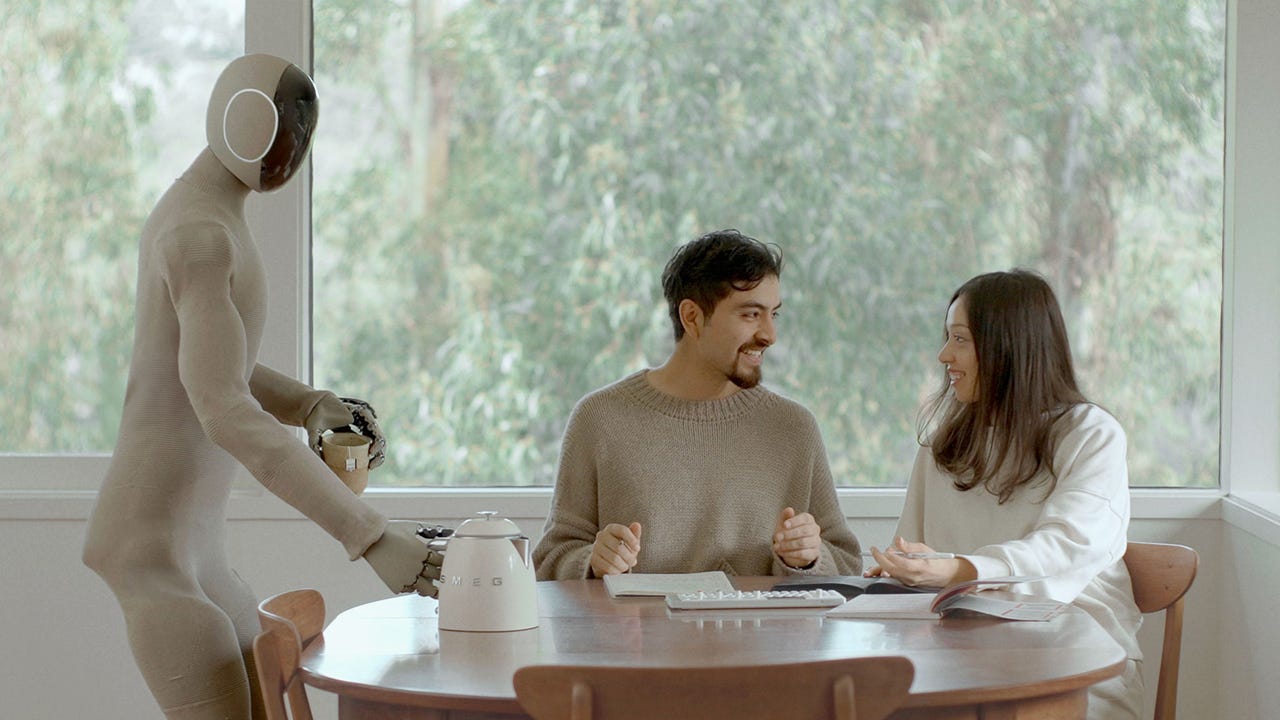
We’re already seeing this with products like the iRobot Roomba j9+, which uses AI to recognize and avoid obstacles including pet accidents. By late 2026, expect more capable home robots hitting the market. 1X Technologies is delivering $20,000 “Neo Beta” humanoid units to early customers, though expectations should stay realistic about what they can actually do.
12. 85 Million Jobs Get Displaced Globally
The World Economic Forum estimates that AI will displace 85 million jobs by 2026. That’s a big number, but context matters.
The same research suggests AI creates new jobs too. And Goldman Sachs notes that most impact will be “transitory” as new opportunities emerge. The IMF estimates 300 million jobs affected globally, but emphasizes most will undergo “task-level transformation” rather than outright loss.
Your job probably won’t disappear, but it will change. The tasks you do will shift. That’s been true of every major technology, and it’s true of AI. The people who struggle are those who refuse to adapt, not those whose jobs touch AI.
13. Jobs Shift from “Doing” to “Validating”
This is the practical reality of that job displacement. AI doesn’t replace entire jobs at once. It replaces the first draft. Then humans become editors, approvers, quality checkers, and risk managers.
According to CNBC’s workforce survey, 89% of senior HR leaders expect AI to reshape jobs in 2026. The most valuable skill becomes spotting what’s wrong, not producing from scratch.
I wrote more about this shift in our getting started guide.
14. Big Pharma Makes a Major AI Acquisition
AI-driven drug discovery has moved from hype to results. According to McKinsey, AI-driven molecular modeling is shortening drug development timelines by 15-30%. FDA-approved AI-enabled medical devices jumped from 6 total approvals through 2015 to over 223 by 2023.
Once big pharma believes an AI platform is strategic, partnerships won’t be enough. They’ll want the talent, the pipeline, the IP. M&A becomes the fastest path. Expect at least one major acquisition in 2026.
15. 80% of Companies Use GenAI in Production
Gartner predicts that by 2026, more than 80% of enterprises will have deployed generative AI in production environments. Up from less than 5% in 2023.
This is the “boring” prediction that matters most. AI stops being a science experiment and becomes standard business infrastructure. Like having a website or using email. Not special. Just expected.
The Honest Limitations of These Predictions
Gartner’s own “hype cycle” methodology shows technologies consistently take longer to mature than early enthusiasm suggests, so some of these predictions may slip to 2027-2028 even though the directional trend is right.
Even research-backed predictions get timing wrong. Gartner’s famous “hype cycle” exists because technologies consistently take longer to mature than early enthusiasm suggests. Self-driving cars were supposed to be everywhere by 2020. The metaverse was supposed to transform work.
Some of these predictions might take until 2027 or 2028. The direction is right. The timing might be off. And something completely unexpected will probably happen that none of these institutions predicted.
What I trust is the trajectory. These aren’t random guesses. They’re patterns that researchers see forming, backed by data and institutional reputation.
What These AI Predictions Mean for You
For non-tech people, the four things that actually matter are. Your job will change (not disappear), assume you’re being recorded at work, AI will become invisible inside your existing apps, and critical thinking without AI becomes a career differentiator.

If you’re not in tech, here’s what actually matters.
Your job will change, not disappear. The “doing to validating” shift is real. Start building skills around judgment, editing, and quality control. Those become more valuable than raw output.
Assume you’re being recorded. At work, in meetings, maybe at home if you have smart devices. An Echo Show 8 gives you AI benefits with a physical camera shutter for privacy. But the real issue is what software captures, not cameras.
AI will become invisible. You won’t “use AI” as a separate thing. It’ll be embedded in your Google Search, your Microsoft 365, your Apple devices. Understanding how it works helps you use it better and spot when it’s wrong.
Critical thinking becomes a differentiator. When everyone uses AI to think, the people who can think without it stand out. That’s a skill worth protecting.
Related reading: NotebookLM Review | Latest AI News | New to AI? Start here
Common Questions About AI in 2026
Are these AI predictions for 2026 reliable?
More reliable than most prediction lists because they come from institutions like Gartner, Deloitte, and the World Economic Forum that stake their consulting reputation on accuracy. But timing predictions are always uncertain. The direction is usually right. The exact year can be off.
Will AI take my job in 2026?
Probably not entirely. The research consistently shows jobs transform rather than disappear. Your tasks will change. Some will be automated. New ones will emerge. The people who struggle are those who refuse to adapt, not those whose jobs touch AI.
What’s the most important AI prediction for regular people?
Embedded AI beating standalone tools. Most people won’t download ChatGPT, but they’ll use AI constantly through Google, Microsoft, Apple, and their everyday apps. AI becomes invisible infrastructure, which means understanding it matters even if you never actively “use AI.”
How should I prepare for AI changes in 2026?
Start using AI tools now to understand their strengths and weaknesses. Focus on judgment and critical thinking skills that AI can’t replicate. Stay aware of how AI is used in your industry. And don’t panic. Every major technology shift has created more opportunities than it destroyed.
The Bottom Line
2026 is the year AI stops being special and starts being normal. It moves from “look at this cool demo” to “this is just how things work now.” That transition creates real changes in how we work, shop, communicate, and think.
The good news. These changes are predictable. The data is there. The research exists. You can see it coming and prepare, which is more than most technology shifts offer.
This post contains affiliate links. If you purchase through these links, we may earn a small commission at no extra cost to you. Sources: Gartner, Deloitte, World Economic Forum, Goldman Sachs, IEEE.
WHO WROTE THIS
Moses Smith. I write Everyday AI for people who aren’t engineers. I go try the tools, then tell you honestly whether they were worth it. Sometimes the answer is no, and that’s kind of the point.
This blog is free and has no ads. If it saved you some time, you can buy me a coffee.