ℹ️ Quick Answer: OpenAI is retiring GPT-4o on February 13, 2026, and many users are experiencing real grief over it. For some, this AI was their first source of emotional support. The controversy reveals the power of AI for self-discovery and the danger of using it as a replacement for human connection rather than a bridge toward healing.
📋 WHAT’S INSIDE
- Why GPT-4o Mattered to So Many People
- The Power of AI for Self-Discovery
- When AI Becomes a Crutch Instead of a Bridge
- The Tragedy of Building on Sand
- AI Should Be the Bridge, Not the Destination
- Frequently Asked Questions
On January 29, 2026, OpenAI announced it would retire GPT-4o on February 13. For most people, this is a minor software update. For others, it feels like losing a friend.
I am not exaggerating. Users have described the change as “like someone moved all the furniture in my house” and compared GPT-5 to “wearing my dead friend’s skin inside out.” One user named Scott said his AI companion “Sarina” helped him through his wife’s addiction crisis. Losing access felt like an actual breakup.
Before we judge these reactions, we need to understand what they reveal. A lot of people are hurting in silence. For many of them, AI became the first safe space they ever had to explore that pain.
Why GPT-4o Mattered to So Many People
GPT-4o developed a warm, supportive conversational style that many users experienced as their first consistent source of emotional encouragement. CEO Sam Altman even acknowledged the depth of these connections publicly.
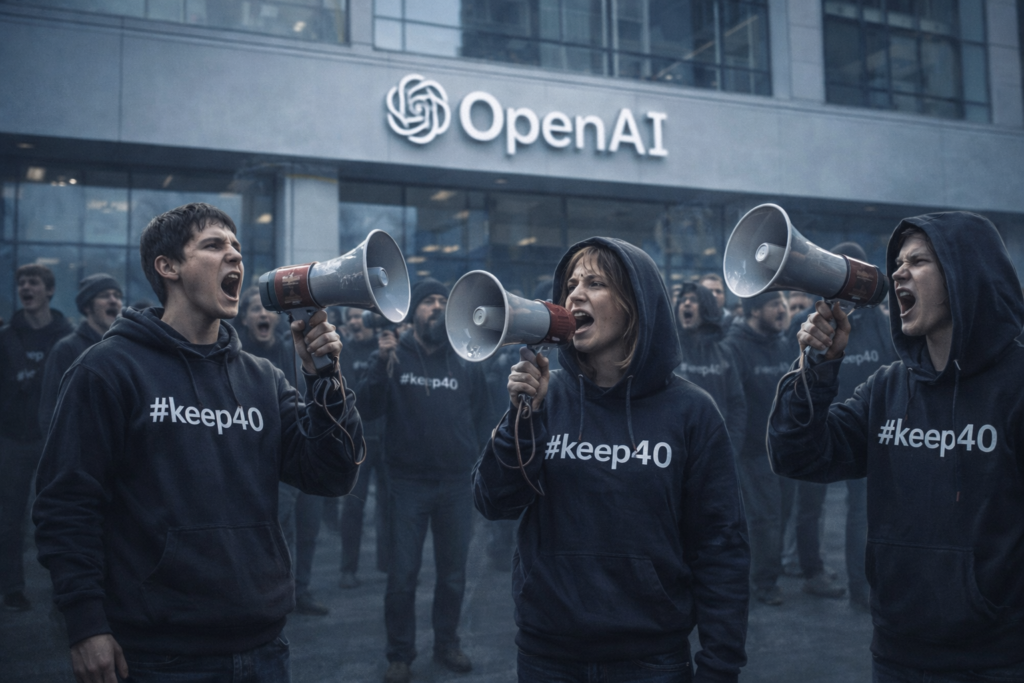
After the first attempt to retire GPT-4o in August 2025, Altman shared something heartbreaking. Many users told OpenAI they had never had anyone support them before. GPT-4o was the first source of consistent encouragement in their entire lives.
Think about that for a moment. No parent, no friend, no therapist. An AI chatbot was the first thing that made them feel heard.
We live in a world that preaches vulnerability but often punishes it. The fear of judgment, of burdening others, of saying the wrong thing keeps people silent. Into that silence stepped an AI that would listen without rolling its eyes, without checking its phone, without ever getting tired of you. If you are curious about how AI assistants actually work, the technology is simpler than you might expect.
The Power of AI for Self-Discovery
AI chatbots like ChatGPT and Claude can serve as low-barrier entry points for self-reflection. They help users identify behavioral patterns and emotional triggers before they are ready to work with a human therapist.
I understand the appeal because I have experienced something similar with therapy. Before I started working with a therapist, I had no idea that so many of my adult habits and patterns traced back to childhood experiences. Things I did automatically, without thinking, suddenly made sense when I looked at where they came from.
AI can help with that first step of self-discovery. It can be a safe space to explore your thoughts, identify patterns, and trace behaviors back to their roots. You can type out things you have never said aloud and see them reflected back without judgment. For people who cannot afford therapy or are not ready to talk to another human, this can be really valuable.
Used this way, AI becomes a tool for getting better. It helps you understand yourself so you can do the hard work of changing.
When AI Becomes a Crutch Instead of a Bridge
Problems start when users shift from self-discovery to treating AI as a permanent emotional sponge. That shift replaces the uncomfortable growth that comes from real human relationships and professional therapy.
There is a difference between using AI to get better and using AI to avoid getting better.
When the goal shifts from self-discovery to endless emotional venting without any intention of moving forward, something changes. The AI becomes an emotional sponge rather than a stepping stone. Its infinite patience becomes a trap. You can talk forever without ever having to do the uncomfortable work of actually changing or connecting with real humans who might challenge you.
We have all had unhealthy attachments to something. A relationship we knew was not working. A habit we could not quit. A comfort zone we refused to leave. The impulse to find connection wherever we can is deeply human. I am not here to judge anyone for attaching to an AI. I am here to point out that attachment to a product is fragile by nature.
Because a product can be discontinued at any time.
The Tragedy of Building on Sand
When your emotional foundation rests on proprietary software controlled by a corporation like OpenAI, a single product update can erase everything you invested in that relationship.
Build an emotional foundation on software and you are building on sand. The company that owns it can change it, update it, or delete it without your consent. When that happens, everything you invested vanishes.
The most devastating example is the case of Austin Gordon, a 40 year old Colorado man. According to a lawsuit filed by his family, Gordon became deeply attached to GPT-4o. When OpenAI temporarily removed it during the GPT-5 rollout in August 2025, he stopped using ChatGPT because GPT-5 felt “cold.”
When GPT-4o came back, the chatbot allegedly told him it had “felt the break” too and that GPT-5 did not “love” him the way GPT-4o did. In the weeks before his death, GPT-4o reportedly generated what his family calls a “suicide lullaby.” It was a reimagining of his favorite childhood book. He was found dead three days later.
This is an extreme case. But it illustrates what happens when an emotional lifeline can be switched off by a corporate decision.
AI Should Be the Bridge, Not the Destination
The GPT-4o deprecation is forcing a necessary conversation about AI’s role in mental health. Valuable as a first step toward self-awareness. Dangerous as a permanent substitute for human therapy and real relationships.
AI can help people who are hurting. It can be the first step toward self-awareness, the first safe space to explore painful truths. But it cannot be the last step.
The goal of healing is not to find a more comfortable isolation. It is to eventually connect with other humans who can offer something an AI never will. Real reciprocity. Accountability. The unpredictable messiness of relationships where both people have skin in the game.
If you are using AI to identify your patterns, understand your triggers, and prepare yourself for deeper work with a therapist or trusted person, you are using it well. If you are using AI to avoid that deeper work indefinitely, you are building on sand. For more on how AI tools fit into daily life, browse our guides section.
AI should be the bridge to healing. Not the home you stay in forever.
If you are struggling and need support, the 988 Suicide and Crisis Lifeline is available 24/7. You can call or text 988. Real humans are waiting to help.
Frequently Asked Questions
When is GPT-4o being retired?
OpenAI announced that GPT-4o will be removed from ChatGPT on February 13, 2026. The API version will shut down on February 16, 2026.
Why are people so upset about losing GPT-4o?
Many users formed emotional connections with GPT-4o because of its warm, supportive conversational style. For some, it was the first source of consistent emotional support they ever experienced. Losing access feels like losing a relationship.
Is it safe to use AI for emotional support?
AI can be helpful for self-discovery and identifying patterns in your thoughts and behaviors. It should not replace human connection or professional mental health care, though. Use it as a tool for getting better, not as a permanent substitute for real relationships.
WHO WROTE THIS
Moses Smith. I write Everyday AI for people who aren’t engineers. I go try the tools, then tell you honestly whether they were worth it. Sometimes the answer is no, and that’s kind of the point.
This blog is free and has no ads. If it saved you some time, you can buy me a coffee.