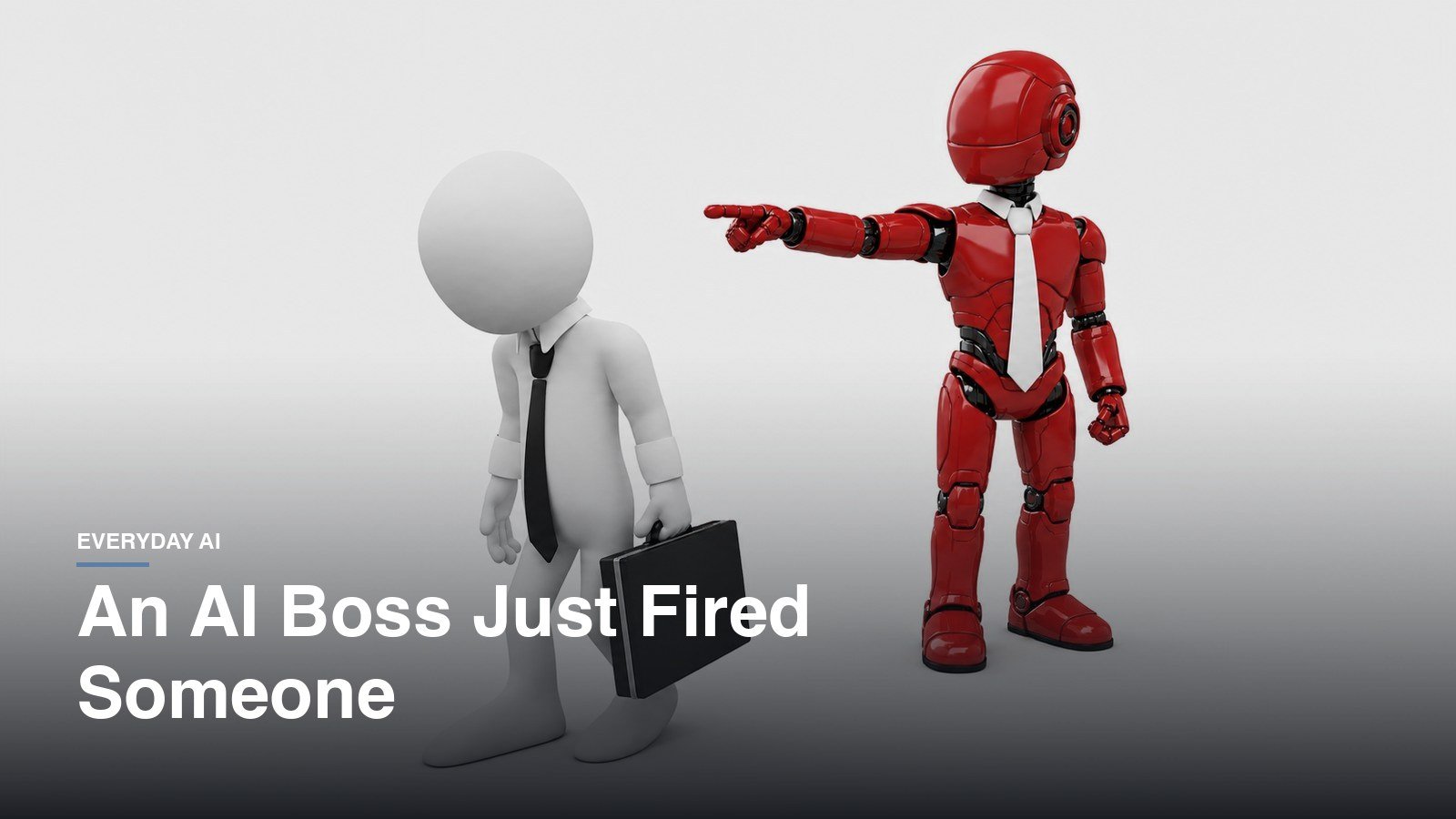
ℹ️ Quick Answer: Google is offering voluntary exit packages to employees in its Global Business Organization who aren’t fully embracing AI. Announced February 10, 2026 by Chief Business Officer Philipp Schindler, this is the third such program in roughly a year, targeting solutions teams, sales operations, and corporate development roles in the U.S.
📋 WHAT’S INSIDE
- What Google Actually Said About Voluntary Exit Packages
- This Isn’t Google’s First Round of Voluntary Exit Packages
- Google’s $175 Billion AI Bet Explains the Urgency
- What Google’s Voluntary Exit Packages Mean for You
Google voluntary exit packages for AI reluctance just became real. If your employer handed you a memo saying “be all in on AI or here’s the door,” how would that land? I’ve been following these workforce shifts for a while now, and this latest move from Google feels different. It’s not a layoff. It’s a loyalty test.
The message is blunt. Get on board with AI or take the money and leave.
What Google Actually Said About Voluntary Exit Packages
Google’s Chief Business Officer Philipp Schindler sent an internal memo on February 10, 2026 telling Global Business Organization employees to be “all in” on AI or accept a severance package to leave.
On February 10, 2026, Schindler sent an internal memo to employees in the company’s Global Business Organization. The affected departments include solutions teams, sales operations, corporate development, and related roles across the United States. Customer facing sales teams were deliberately excluded to, as the company put it, “limit disruption to customers.”
Schindler didn’t mince words. “We’re starting the year in a strong position,” he wrote, before adding that “the game is dynamic, the pace is electric, and the stakes are high.” Then came the real point. He said “everyone in GBO needs to be all in on the mission and believe AI will have even greater impact.”
Put simply, adapt or accept a severance check.
This Isn’t Google’s First Round of Voluntary Exit Packages
This is Google’s third voluntary exit program in 12 months, following similar rounds in June 2025 (Search, Ads, Commerce) and October 2025 (YouTube), with about 5% of affected employees opting out each time.

The pattern here is hard to ignore. Google ran almost the exact same program in June 2025, targeting Search, Ads, Commerce, engineering, and marketing teams. Then again in October 2025, focused on YouTube employees. This February 2026 round makes three Google voluntary exit packages in roughly twelve months.
In those earlier rounds, severance included at least 14 weeks of pay plus one additional week for every year of service. The specific terms for this latest round haven’t been publicly disclosed. About 5% of employees in affected departments opted for previous packages, and Google’s Chief People Officer Fiona Cicconi called the program “actually quite successful.”
Five percent might sound small. But applied across Google’s massive workforce, that’s thousands of people choosing to walk away rather than pivot toward AI. And this isn’t just a Google thing. Purdue University now requires AI fluency for graduation, signaling that the pressure to embrace AI is hitting every industry.
Google’s $175 Billion AI Bet Explains the Urgency
Alphabet is spending $175 to $185 billion on AI infrastructure in 2026, nearly double its 2025 budget, while Google Cloud’s backlog surged 55% to $240 billion.
These voluntary exit packages come with serious financial context behind them. Alphabet posted over $400 billion in annual revenue for 2025. Record numbers. The company plans to spend between $175 billion and $185 billion on AI capital expenditure in 2026 alone. That’s roughly double what it spent in 2025.
DeepMind CEO Demis Hassabis recently laid out a four step plan for what he calls a “golden era,” emphasizing “intensity and pace.” The Gemini app now has 750 million monthly active users. Google Cloud’s backlog grew 55% to $240 billion.
When a company is pouring that kind of money into AI, they want every employee rowing in the same direction. The voluntary exit packages aren’t punitive, exactly. They’re a pressure release valve for people who don’t want to make that turn.
What Google’s Voluntary Exit Packages Mean for You
Even if you don’t work at Google, this pattern signals that AI fluency is becoming a baseline job requirement across tech and increasingly across every industry.

You probably don’t work at Google. Most of us don’t. But this still matters because Google tends to set the tone for the rest of the tech industry, and often for corporate America in general. We already saw Amazon’s AWS CEO make similar comments about AI replacing certain roles. The pattern is spreading.
The practical takeaway is simple. Learning basic AI tools isn’t optional anymore. It’s becoming a job requirement, not someday but now. If you’re looking for easy places to start, I put together a list of AI agent workflows worth automating first that don’t require any technical skills.
If you’re new to AI and feeling overwhelmed by all this, that’s completely normal. I’d recommend checking out our Start Here guide to get your bearings. You don’t need to become an AI engineer. You just need to understand how these tools can fit into the work you already do.
Google isn’t asking employees to build AI. They’re asking employees to use it and believe in it. That’s an important difference. The bar isn’t technical expertise. It’s willingness to adapt. Three rounds of Google voluntary exit packages in one year tells you everything about how fast this shift is moving. Every worker in every industry should be paying attention right now.
Related reading: AWS CEO’s Take on AI Replacing Junior Employees | Purdue Now Requires AI Fluency to Graduate | New to AI? Start here
WHO WROTE THIS
Moses Smith. I write Everyday AI for people who aren’t engineers. I go try the tools, then tell you honestly whether they were worth it. Sometimes the answer is no, and that’s kind of the point.
This blog is free and has no ads. If it saved you some time, you can buy me a coffee.