ℹ️ Quick Answer: AI therapy chatbots like Wysa, Woebot, and Pi offer 24/7 mental health support through evidence-based techniques like CBT. They help with mild to moderate anxiety and depression symptoms, cost little or nothing, and fill the gap when human therapists aren’t available. They’re support tools, not replacements for professional care.
📋 WHAT’S INSIDE
- What Is an AI Therapy Chatbot?
- Best AI Therapy Chatbot Apps to Try
- What Using an AI Therapy Chatbot Actually Feels Like
- Does AI Therapy Chatbot Support Actually Work?
- Who Benefits Most from AI Therapy Chatbots?
- How to Use AI Therapy Chatbots Safely
- The Honest Limitations of AI Therapy Chatbots
- Getting Started with AI Therapy Chatbots
- Common Questions About AI Therapy Chatbots
It’s 2 AM. You can’t sleep. Your mind is racing about something that happened at work, and you can feel the anxiety building. You need to talk to someone. But your therapist doesn’t have an opening for three weeks, and you’re not going to wake up a friend at this hour.
This is where AI therapy chatbots fill a gap that millions of people face. They’re not replacing human therapists. They’re available when humans aren’t. At 2 AM, on waitlists that stretch for months, or when the cost of therapy doesn’t fit your budget.
I use AI for this myself. Not dedicated therapy apps, but Claude and ChatGPT when I need to process something between sessions. They remember our conversations, spot patterns I miss, and ask follow-up questions that help me understand my own thinking better.
This is Part 8 of our 20-part series on how AI can improve your life in 2026. See all parts →
What Is an AI Therapy Chatbot?
An AI therapy chatbot is an app that uses artificial intelligence to have supportive, therapy-style conversations using evidence-based techniques like Cognitive Behavioral Therapy (CBT), available 24/7 without appointments or waitlists.
AI therapy chatbots are apps that use artificial intelligence to have supportive, therapy-style conversations with you. They’re not replacing human therapists. They’re filling a gap for the moments when you need support but can’t access professional help.
Most AI therapy chatbot apps use evidence-based techniques like Cognitive Behavioral Therapy (CBT), which helps you identify and change unhelpful thought patterns. Some also incorporate mindfulness, breathing exercises, and journaling prompts.
The key difference from talking to a regular chatbot like ChatGPT or Claude. These apps are specifically designed for emotional support. They’re trained to be empathetic, nonjudgmental, and helpful without trying to diagnose or prescribe.

The Three Types of AI Therapy Chatbot Apps
Rule-based chatbots follow scripted conversation flows. They’re predictable but limited. Think of them like a choose-your-own-adventure book for mental health.
CBT-focused chatbots like Woebot and Wysa guide you through structured therapeutic exercises. They feel more like working with a digital workbook that responds to you.
AI companions like Pi (made by Inflection AI) use large language models to have more natural, free-flowing conversations. They feel more like talking to a supportive friend who happens to have endless patience.
Best AI Therapy Chatbot Apps to Try
Wysa (FDA Breakthrough Device designation, free plus $75/year premium), Woebot (Stanford-developed, free, CBT-focused), and Pi by Inflection AI (free, open-ended conversation) are the three leading options.
I dug into the research and user reviews for each one. Here’s how they compare.
Woebot: The Friendly CBT Coach
Woebot is one of the most-studied AI therapy chatbots, developed by Stanford University researchers. It uses CBT techniques and checks in with you daily about your mood.
What users like about Woebot. It feels like working through a CBT workbook with a friendly guide. The daily check-ins help you notice patterns in your mood over time. And it’s completely free.
The limitation. Woebot feels more structured than conversational. If you want to just vent, it might feel restrictive. Also, it’s currently only available in the US through partners like employers or healthcare providers, so access can be limited.
Wysa: The Flexible Toolkit
Wysa combines an AI therapy chatbot with a library of exercises including breathing techniques, mindfulness meditations, and even yoga poses for physical anxiety.
What stands out. Wysa has received FDA Breakthrough Device designation for its potential mental health impact. It also offers optional human coaching sessions if you want to upgrade from AI-only support.
The basic version is free. Premium costs about $75 per year and includes more exercises and features. Human coaching starts at about $20 per session.

Pi: The Conversational Companion
Pi (made by Inflection AI) is different from the CBT-focused apps. It’s designed to be a supportive AI companion for open-ended conversation.
Pi is helpful for processing thoughts out loud. It asks thoughtful follow-up questions and doesn’t push you toward any particular technique. It feels more like talking to a patient, curious friend.
The downside. Because Pi is more free-form, it doesn’t give you the structured exercises that Woebot and Wysa provide. It’s better for emotional processing than skill-building.
What Using an AI Therapy Chatbot Actually Feels Like
A typical session involves the AI asking how you feel, exploring what’s behind the emotion with follow-up questions, then offering a choice between talking it through or trying a guided exercise like breathing or a CBT reframe.
Let me walk you through a typical interaction. Say you open Wysa feeling anxious about an upcoming presentation.
The chatbot might start by asking how you’re feeling. You type “anxious about a work thing.” It responds with something like “That sounds stressful. Would you like to talk about what’s making you anxious, or would you prefer to try a calming exercise first?”
If you choose to talk, it asks follow-up questions. What specifically are you worried about? What’s the worst case scenario you’re imagining? Have you handled similar situations before?
Then it might gently suggest a CBT technique, like examining whether your worst-case thoughts are realistic, or identifying what you can actually control about the situation.
If you choose an exercise instead, it might guide you through a breathing technique or a quick body scan to release tension.
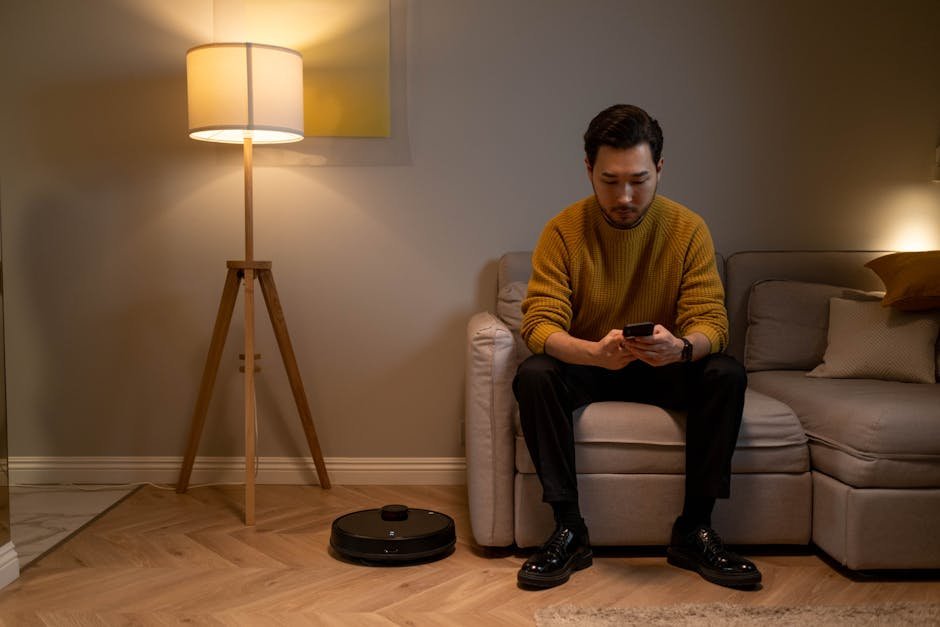
When AI Therapy Chatbots Feel Helpful
AI therapy chatbots are most useful in a few situations.
Late-night anxiety spirals. When it’s 2 AM and you need to process something, an AI is available. No scheduling, no waiting.
Between therapy sessions. If you’re already seeing a therapist, chatbots can help you practice techniques between appointments.
Daily mood tracking. The regular check-ins help you notice patterns you might otherwise miss.
Low-stakes emotional processing. Sometimes you just need to type out your feelings without judgment. An AI is endlessly patient.
When It Falls Short
AI therapy chatbots have real limitations. They can’t pick up on tone of voice or body language. They sometimes respond in ways that feel generic or miss the point of what you’re saying.
⚠️ If you’re dealing with trauma, severe depression, thoughts of self-harm, or any crisis situation, please reach out to a human professional or crisis line. In the US, call or text 988 for the Suicide and Crisis Lifeline. AI chatbots cannot replace professional help for serious mental health conditions.
Does AI Therapy Chatbot Support Actually Work?
Yes, for mild to moderate symptoms. A systematic review of AI CBT chatbots found 34-42% symptom reduction on standard depression measures, with consistent daily use producing the best outcomes.
The research is actually pretty encouraging. Clinical studies on Woebot and Wysa have shown small to moderate reductions in symptoms of anxiety and depression, particularly for people with mild to moderate symptoms.
A systematic review of AI CBT chatbots found that they achieve 34-42% symptom reduction on standard depression measures. That’s meaningful, even if it’s not a cure-all.
The key finding across studies. Consistency matters. People who use these apps regularly see better results than those who only use them occasionally.

Who Benefits Most from AI Therapy Chatbots?
People facing therapy access barriers (cost, waitlists, location), those with mild to moderate anxiety or depression, and anyone wanting to practice CBT skills between human therapy sessions.
Based on the research, these tools work best for specific groups.
People who can’t easily access therapy. Whether it’s cost, location, scheduling, or waitlists, many people face barriers to professional help. AI chatbots are available immediately and either free or low-cost.
People with mild to moderate symptoms. If you’re dealing with everyday stress, mild anxiety, or low moods, these tools can help you build coping skills.
People who want to supplement existing therapy. Think of it as homework support between sessions.
People who want to try therapy concepts before committing. Not sure if CBT is for you? Try it with an AI first.
How to Use AI Therapy Chatbots Safely
Set realistic expectations, check in daily rather than sporadically, read the app’s privacy policy before sharing personal details, and seek human help immediately for crisis situations or severe symptoms.
A few guidelines.
Set realistic expectations. These are support tools, not cures. Think of them as a helpful addition to your mental health toolkit, not the whole toolkit.
Use them consistently. Daily check-ins, even brief ones, are more effective than occasional long sessions.
Be thoughtful about privacy. Read the app’s privacy policy. Most reputable apps like Wysa and Woebot don’t share your conversations with advertisers, but it’s worth checking. Avoid sharing highly sensitive personal information if you’re uncomfortable.
Know when to seek human help. If you’re in crisis, experiencing thoughts of self-harm, dealing with trauma, or your symptoms are severe, please reach out to a professional. AI chatbots are not equipped for these situations.
In the US, you can reach the 988 Suicide and Crisis Lifeline by calling or texting 988.
The Honest Limitations of AI Therapy Chatbots
AI therapy chatbots cannot diagnose conditions, prescribe medication, detect body language or vocal tone, or safely handle trauma, severe depression, or crisis situations.
I want to be straight with you about what these tools can’t do.
They can’t diagnose mental health conditions. They can’t prescribe medication. They can’t provide the deep understanding that comes from a trained human who knows your history.
Sometimes the AI responses feel robotic or miss the emotional weight of what you’re saying. Users report moments where the chatbot pivoted to a technique when they just wanted to be heard.
There’s also a risk of over-reliance. If you find yourself using an AI chatbot to avoid seeking professional help you actually need, that’s a sign to reconsider.
And the technology is still evolving. What these tools can do today is impressive, but they’re not yet at the level of sophistication that would let them handle complex psychological situations safely.
Getting Started with AI Therapy Chatbots
Download Wysa for structured CBT exercises or Pi for open conversation, commit to daily five-minute check-ins for one week, and treat the techniques you learn as real skills to practice in daily life.
If you want to try this.
Start with one app. I’d suggest Wysa for the best combination of structure and flexibility, or Pi if you want more open conversation.
Give it a week. Try daily check-ins for a week before deciding if it’s useful for you.
Treat it as practice. The CBT techniques these apps teach are real skills. The more you practice them with the AI, the more naturally you’ll use them in daily life.
Combine with other support. AI chatbots work best as part of a broader approach that might include exercise, sleep hygiene, social connection, and professional help when needed.
Common Questions About AI Therapy Chatbots
Are AI therapy chatbots as effective as human therapists?
No. Research shows they help with mild to moderate symptoms, but they’re not equivalent to professional therapy. Think of them as a supplement, not a replacement.
Can AI therapy chatbots diagnose mental health conditions?
No. They can help you track symptoms and learn coping techniques, but they cannot and should not be used for diagnosis. Only a qualified mental health professional can diagnose conditions.
Is it safe to share personal feelings with an AI therapy chatbot?
Reputable apps like Wysa and Woebot have privacy policies that protect your data. Be thoughtful about sharing extremely sensitive information though. Read the privacy policy and use your judgment.
How often should I use an AI therapy chatbot?
Research suggests daily or regular use is more effective than occasional long sessions. Even a brief 5-minute check-in each day can help you build awareness of your emotional patterns.
AI therapy chatbots won’t replace your therapist. But for the moments when you need support and can’t get it, they’re a real option worth trying.
Related reading: Track Your Mood Patterns with AI Journaling | Get Personalized Journal Prompts from AI | See the full AI Life 2026 series | New to AI? Start here
← Part 7: Personalized Journal Prompts · Series Hub · Part 9: Mental Health Warning Signs →
WHO WROTE THIS
Moses Smith. I write Everyday AI for people who aren’t engineers. I go try the tools, then tell you honestly whether they were worth it. Sometimes the answer is no, and that’s kind of the point.
This blog is free and has no ads. If it saved you some time, you can buy me a coffee.