ℹ️ Quick Answer: AI mental health wearables use sensors you already wear to detect early warning signs of stress, anxiety, and depression. They track heart rate variability, sleep patterns, and activity changes to spot trouble before you feel it. WHOOP 4.0 and Oura Ring Gen 3 offer the deepest analysis, while Apple Watch and Fitbit provide solid tracking at lower cost.
📋 WHAT’S INSIDE
- What AI Mental Health Wearables Actually Track
- How AI Mental Health Wearables Connect the Dots
- Best AI Mental Health Wearables Available Now
- What the Research Says
- Honest Limitations
- How to Actually Use Them
- Common Questions
- What’s Coming Next
My watch kept telling me something was wrong. For two weeks, my “recovery score” stayed red. My sleep looked fine. I felt fine. I ignored it.
Then I crashed. The stress I hadn’t noticed caught up with me all at once. Turns out the watch was seeing what I couldn’t. Fragmented sleep, tanking heart rate variability, subtle signs that my body was running on fumes.
This is Part 9 of our 20-part series on how AI can improve your life in 2026. See all parts
What AI Mental Health Wearables Actually Track
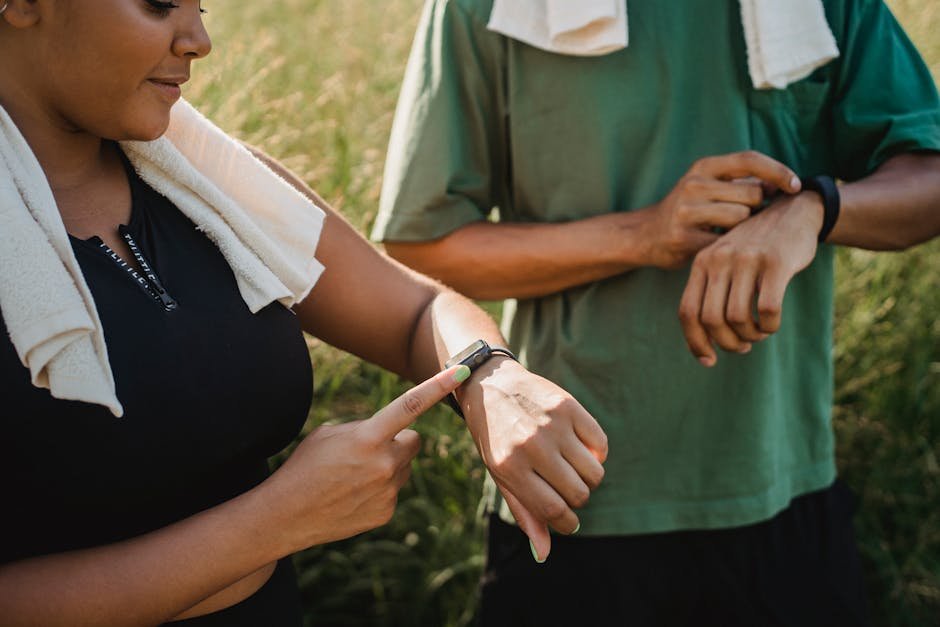
These wearables monitor four key signals. Heart rate variability (HRV), sleep stage architecture, daily movement patterns, and skin temperature changes. All of these shift measurably during periods of stress, anxiety, and depression.
The sensors in modern smartwatches and fitness trackers collect an enormous amount of data about your body. What’s changing is how AI interprets that data to detect mental health patterns.
Heart Rate Variability (HRV)
This is the big one. HRV measures the tiny variations in time between heartbeats. Higher variability generally indicates a healthy, adaptable nervous system. Lower HRV often correlates with stress, anxiety, and depression.
Research from Stanford University and the American Heart Association has shown that sustained drops in HRV can precede depressive episodes by days or even weeks. Your watch is monitoring your autonomic nervous system’s stress response in real time.
Sleep Architecture
It’s not just about how many hours you sleep. AI analyzes your sleep stages, how long it takes you to fall asleep, how often you wake up, and when those disruptions occur. Changes in REM sleep and deep sleep patterns often show up before mood changes become noticeable.
I started paying attention to this after my recovery scores tanked. Turns out I was waking up 4-5 times per night without remembering it. That fragmentation was destroying my emotional resilience during the day.
Activity and Movement Patterns
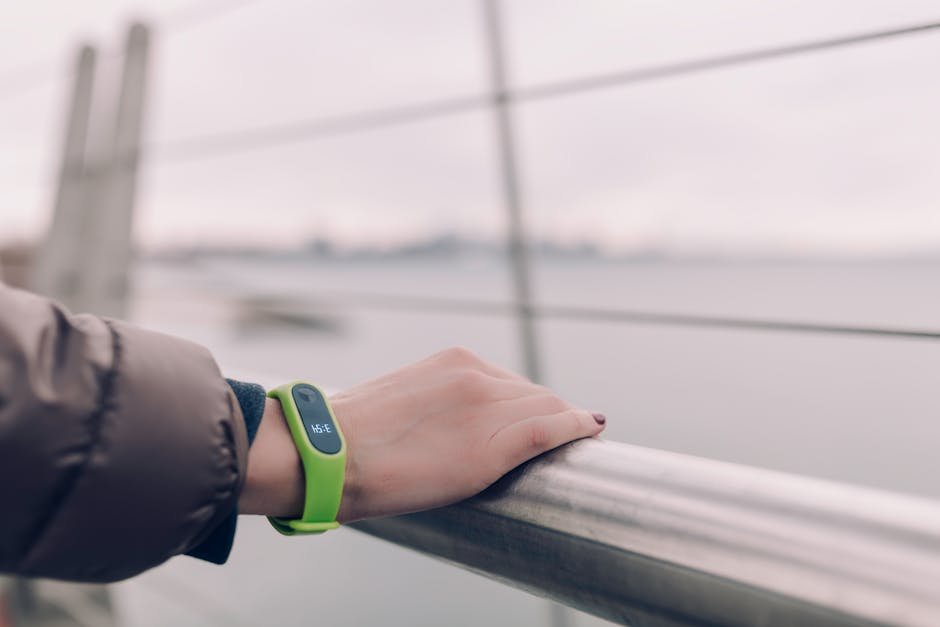
AI looks for changes in your baseline. Are you moving less than usual? Taking fewer steps? Spending more time sedentary? These behavioral shifts often accompany mood changes, sometimes appearing before you consciously feel different.
Skin Temperature and Electrodermal Activity
Advanced wearables like the Oura Ring and Fitbit Sense 2 now track skin temperature variations and sweat gland activity. These physiological markers respond to emotional states and stress levels in ways that aren’t always consciously perceptible.
How AI Mental Health Wearables Connect the Dots
AI cross-references multiple data streams against your personal baseline, so a five-day pattern of declining HRV plus disrupted sleep plus reduced movement triggers an alert that a single bad night would not.
Raw sensor data alone isn’t particularly useful. The real breakthrough is in how AI algorithms identify patterns across multiple data streams and compare them to your personal baseline.
For example, a single night of poor sleep doesn’t mean much. But when AI notices that your HRV has been declining for five days, your sleep efficiency dropped 15%, and your daytime movement decreased, that combination of signals paints a picture worth paying attention to.
The key is personalization. What’s normal for you might be concerning for someone else. AI builds a model of your individual patterns over weeks and months, then alerts you when something shifts significantly from your baseline.
Best AI Mental Health Wearables Available Now
WHOOP 4.0 and Oura Ring Gen 3 offer the deepest HRV and recovery analysis, while the Apple Watch Series 10, Fitbit Charge 6, and Garmin Venu 3 provide solid mental health tracking at lower price points.
This isn’t science fiction. Several products are already combining wearable data with AI to provide mental health insights.
WHOOP
WHOOP 4.0 focuses heavily on recovery and strain metrics. While marketed to athletes, its recovery score incorporates HRV, sleep, and other factors that directly relate to stress and mental resilience. Many users report that their WHOOP scores predict bad mental health days before they feel them.
Oura Ring
The Oura Ring Gen 3 tracks sleep stages, HRV, body temperature, and activity. Its “Readiness Score” has become a popular proxy for mental and physical preparedness. The ring’s small form factor means more people actually wear it consistently, which improves data quality.
Fitbit Stress Management Score
The Fitbit Charge 6 uses HRV, electrodermal activity (on the Fitbit Sense 2 model), and sleep data to provide a daily stress score. Google’s acquisition of Fitbit has accelerated AI integration, with the Fitbit app now offering more contextual insights about what might be driving your stress levels.
Apple Watch with watchOS
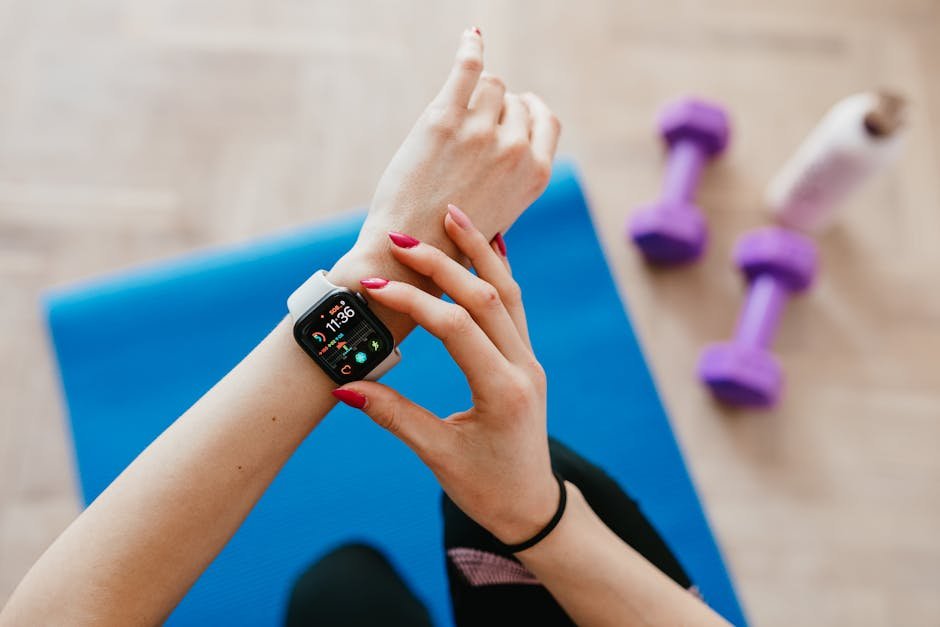
The Apple Watch Series 10 has been steadily adding mental health features. The Mindfulness app tracks daily mood, the Apple Health app aggregates sleep and HRV data, and Siri shortcuts can prompt regular check-ins. While not as specialized as WHOOP or Oura, the Apple Watch’s massive user base means more people have access to these insights.
Garmin Body Battery
The Garmin Venu 3 features “Body Battery,” which estimates your energy reserves based on sleep, stress, and activity. It’s designed for fitness optimization but many users find it accurately reflects their mental energy and burnout risk. The best part. No subscription required.
What the Research Says About AI Mental Health Wearables
A 2023 JAMA Network Open study found that combined smartphone and wearable data could predict depressive symptom severity, and Stanford researchers showed HRV monitoring detects stress with accuracy comparable to clinical self-report questionnaires.
This isn’t just marketing hype. Peer-reviewed studies have validated the connection between wearable data and mental health states.
A 2023 study in JAMA Network Open found that smartphone and wearable data could predict depressive symptom severity with reasonable accuracy. The combination of sleep disruption, reduced mobility, and physiological markers created a predictive signal.
Researchers at Stanford University have shown that continuous HRV monitoring can detect stress and anxiety with sensitivity comparable to self-reported questionnaires, but without requiring active user participation.
The limitation is that these tools detect correlations, not causes. Your HRV might drop because you’re developing depression, or because you caught a cold, or because you had too much coffee. AI is getting better at distinguishing these scenarios, but it’s not perfect.
Honest Limitations of AI Mental Health Wearables
These devices detect physiological patterns correlated with stress and mood changes, but they cannot diagnose depression, anxiety, or any mental illness. They are screening tools, not replacements for clinical assessment.
I want to be clear about what these tools can and can’t do.
They can’t diagnose mental illness. Detecting that your HRV has dropped isn’t the same as diagnosing depression. These are screening tools that might prompt you to seek professional help, not replacements for clinical assessment.
The accuracy varies widely between devices and individuals. Wrist-based optical heart rate sensors are less accurate than chest straps. People with certain skin tones or tattoos may get less reliable readings. And the AI models were trained on specific populations that may not represent everyone.
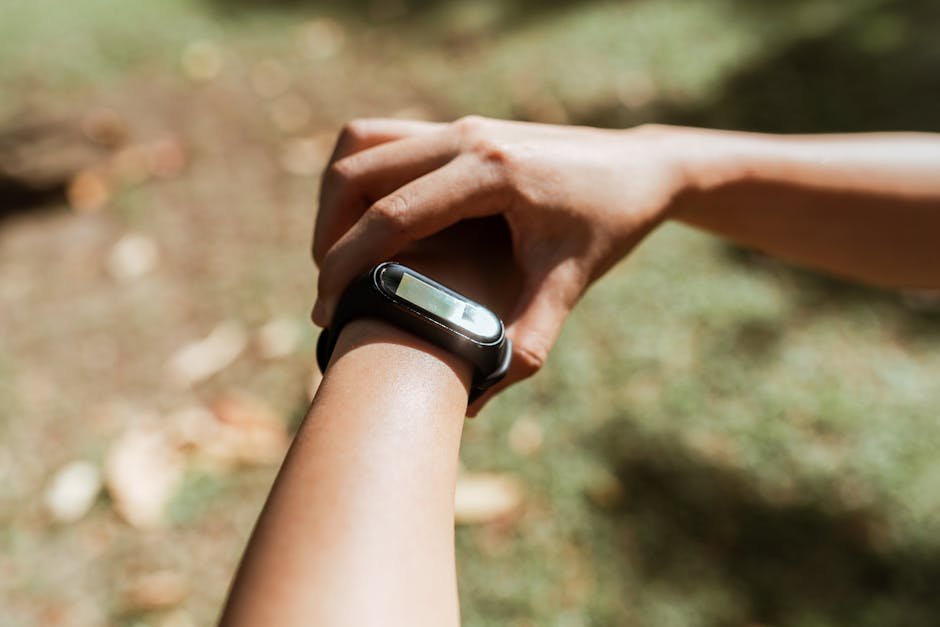
There’s also a risk of becoming obsessive about the data. I’ve caught myself checking my HRV multiple times a day, which is counterproductive. The goal is gentle awareness, not anxious monitoring. Some people find that tracking actually increases their anxiety.
Privacy is a real concern too. You’re sharing intimate health data with companies like Google (Fitbit), Apple, and Amazon (Oura investor). Read the privacy policies. Understand where your data goes and who can access it.
⚠️ Wearables detect patterns, not diagnoses. If your data shows sustained warning signs, or you’re experiencing thoughts of self-harm, please reach out to a mental health professional. In the US, call or text 988 for the Suicide and Crisis Lifeline.
How to Actually Use AI Mental Health Wearables
Wear your device for 2-3 weeks to build a baseline, then focus on 5-7 day rolling averages rather than daily numbers, and treat alerts as prompts to check in with yourself rather than diagnoses.
If you want to start using wearable technology for mental health awareness, here’s a practical approach.
Establish a Baseline First
Wear your device consistently for at least 2-3 weeks before taking the insights seriously. AI needs time to learn what’s normal for you. Don’t panic about individual data points during this period.
Focus on Trends, Not Daily Numbers
A single day of low HRV or poor sleep means nothing. Look at 5-7 day rolling averages. Is there a sustained shift from your baseline? That’s when to pay attention.
Use It as a Prompt, Not a Verdict
When your wearable suggests you’re stressed or under-recovered, treat it as a question, not an answer. Ask yourself. Does this match how I’m feeling? What might be causing it? Should I adjust my plans today?
Combine with Other Self-Awareness Practices
The data is most useful when combined with journaling, therapy, or regular check-ins with yourself. I use my WHOOP data as a conversation starter in therapy sessions. “My HRV has been low for two weeks. Let’s talk about what might be driving that.”
Set Boundaries
Decide in advance how often you’ll check the data. Once a day is probably enough for most people. If you find yourself checking compulsively, that’s a sign to step back.
Common Questions About AI Mental Health Wearables
Can AI mental health wearables replace therapy?
No. Wearables can detect patterns and provide early warnings, but they can’t provide treatment, coping strategies, or the human connection that therapy offers. Think of them as complementary tools, like how a thermometer can tell you that you have a fever but can’t prescribe antibiotics.
Which wearable is best for mental health tracking?
It depends on your priorities. WHOOP 4.0 and Oura Ring Gen 3 provide the most detailed recovery and HRV analysis. Apple Watch Series 10 offers the most integrated ecosystem. Fitbit Charge 6 provides good value at lower price points. The best device is the one you’ll actually wear consistently.
How accurate are these mental health predictions?
Current research suggests moderate accuracy, similar to self-reported screening questionnaires. They’re better at detecting changes from your baseline than making absolute assessments. False positives happen. Treat the insights as useful data points, not definitive diagnoses.
What if my wearable keeps saying I’m stressed but I feel fine?
This happens. Sometimes the sensors are inaccurate. Sometimes you’ve adapted to chronic stress and no longer notice it. Sometimes there’s a physical factor (caffeine, illness, medication) affecting the readings. Use it as a prompt to investigate, not as an automatic conclusion.
What’s Coming Next
Expect more sophisticated AI models that distinguish physical from psychological stress, integration with electronic health records, and real-time interventions like guided breathing when acute stress is detected.
The technology is evolving rapidly. We’re likely to see more sophisticated AI models that can distinguish between physical and psychological stress, integration with electronic health records for clinical use, and possibly real-time interventions like guided breathing exercises when stress is detected.
For now, the practical value is in early awareness. Catching a mental health slide when you’re in the yellow zone, rather than waiting until you’re in the red, gives you more options and better outcomes.
Your watch might not be able to fix your mental health. But it might be able to tell you when something needs attention, before you realize it yourself.
Related reading: Part 8: AI Therapy Chatbots | Series Hub | Part 10: AI Workout Recommendations | New to AI? Start here
This post contains affiliate links. If you buy something through these links, I may earn a small commission at no extra cost to you.
WHO WROTE THIS
Moses Smith. I write Everyday AI for people who aren’t engineers. I go try the tools, then tell you honestly whether they were worth it. Sometimes the answer is no, and that’s kind of the point.
This blog is free and has no ads. If it saved you some time, you can buy me a coffee.