ℹ️ Quick Answer: AI sleep trackers like Oura Ring and WHOOP measure your movement, heart rate, and breathing overnight, then use machine learning to estimate your sleep stages and quality. If you already own an Apple Watch or Fitbit, third party apps like Athlytic can unlock deeper insights. Track for 1-2 weeks before making changes, then run small experiments to see what actually improves your rest.
📋 WHAT’S INSIDE
- Why We’re Bad at Judging Our Own Sleep
- How AI Sleep Tracker Technology Works
- Best AI Sleep Tracker Devices Worth Trying
- Sleep Accessories That Actually Help
- What AI Sleep Tracker Data Actually Tells You
- Turning AI Sleep Tracker Data Into Better Sleep
- Honest Limitations of AI Sleep Trackers
- When to See a Doctor
- Common Questions About AI Sleep Trackers
- Getting Started This Week
You think you slept 8 hours. You actually got 6.5 hours of actual sleep. And half of it was light sleep that barely counts.
That brief 3am awakening you don’t remember? It fragmented your sleep cycles. Those restless periods where you’re tossing around? Not giving you the restoration you need.
Here’s the uncomfortable truth. Most of us have no idea how well we actually sleep. We know how long we’re in bed, but that’s not the same as sleep quality.
An AI sleep tracker changes this by measuring what’s actually happening. Movement, heart rate, breathing patterns, sometimes blood oxygen. Then algorithms translate all that data into insights about your sleep stages, efficiency, and why some mornings feel better than others.
This is Part 11 of our 20-part series on how AI can improve your life in 2026. See all parts
Why We’re Bad at Judging Our Own Sleep
Research shows people overestimate sleep duration by 30-60 minutes on average and fail to remember brief nighttime awakenings that fragment their sleep cycles.
Studies show people consistently overestimate how long they sleep and underestimate how often they wake up. That brief 3 a.m. awakening you don’t remember? It still fragments your sleep cycles. Those restless periods where you’re technically asleep but tossing around? They’re not giving you the restoration you need.
This is where an AI sleep tracker makes a real difference. These devices don’t rely on your memory or perception. They measure what’s actually happening. Your movement, heart rate, breathing patterns, and sometimes even blood oxygen levels. Then algorithms analyze all that data to estimate your sleep stages, efficiency, and overall quality.
You don’t need to become a data scientist. The apps translate everything into simple scores and actionable insights. But for the first time, you can see what your sleep actually looks like instead of what you think it looks like.
How AI Sleep Tracker Technology Works
AI sleep trackers use accelerometers, optical heart rate sensors, and skin temperature readings to collect data overnight. Then machine learning models trained on clinical polysomnography data estimate your sleep stages and quality.
What an AI Sleep Tracker Measures
Most wearable AI sleep trackers use a combination of sensors.
Movement (accelerometer). Detects when you’re tossing, turning, or lying still. Less movement generally indicates deeper sleep.
Heart rate. Your heart rate drops during sleep and varies between sleep stages. REM sleep often shows more heart rate variability than deep sleep.
Heart rate variability (HRV). The tiny variations between heartbeats. Higher HRV during sleep generally indicates better recovery and lower stress.
Skin temperature. Devices like the Oura Ring track temperature changes, which fluctuate predictably through sleep cycles.
Blood oxygen (SpO2). Advanced trackers like the Apple Watch Series 10 and Garmin Venu 3 monitor oxygen levels, which can flag potential issues like sleep apnea.
How AI Interprets the Data
Raw sensor data alone isn’t useful. The AI models are trained on large datasets that compare wearable sensor readings to gold-standard sleep studies (polysomnography). Over time, these models learn to estimate several things.
Sleep stages. Light sleep, deep sleep, and REM sleep. Each serves different purposes for physical and mental recovery.
Sleep efficiency. The percentage of time in bed that you’re actually asleep. Above 85% is generally considered good.
Sleep latency. How long it takes you to fall asleep. More than 20-30 minutes might indicate an issue.
Awakenings. How many times you woke up and for how long.
The AI then combines these into summary scores and personalized insights based on your historical patterns.
Best AI Sleep Tracker Devices Worth Trying
The Oura Ring Gen 3 and WHOOP 4.0 lead for dedicated sleep analysis, while the Apple Watch Series 10 and Fitbit Charge 6 offer solid tracking if you already own one.
Different devices suit different needs. Here’s what’s available.
Oura Ring
The Oura Ring Gen 3 is one of the most accurate consumer AI sleep trackers available. It’s a ring you wear 24/7, so it captures data during sleep without the discomfort of a wrist device. The app provides detailed sleep stage breakdowns, a daily “Readiness Score,” and trends over time.
Best for people who want detailed sleep analysis and don’t want to wear a watch to bed.
WHOOP
WHOOP 4.0 is a fitness-focused wearable that excels at sleep tracking. It calculates how much sleep you need based on your activity level and tracks whether you’re meeting that need. The “Sleep Coach” feature suggests optimal bedtimes, and it’s popular among athletes for recovery optimization.
Best for active people who want to optimize recovery and understand how training affects sleep.
Apple Watch
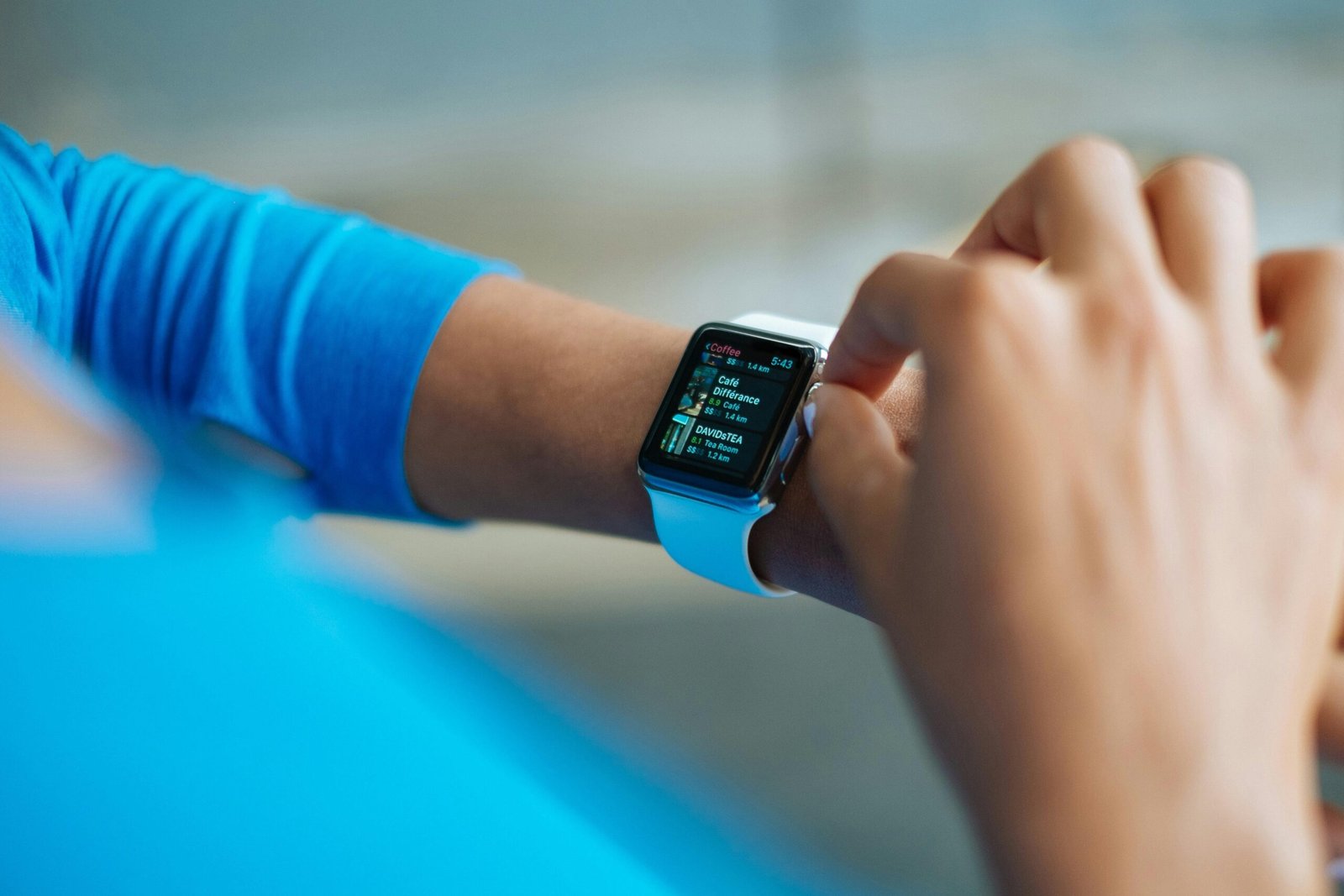
If you already own an Apple Watch Series 10, its sleep tracking has improved significantly with watchOS 11. It tracks sleep stages, respiratory rate, and integrates with the Apple Health app to show trends. Not as detailed as dedicated sleep trackers, but convenient if you’re already in the Apple ecosystem.
Best for Apple users who want decent sleep tracking without buying another device.
Fitbit
The Fitbit Charge 6 has been tracking sleep for years and now includes AI-powered features like Sleep Score and detailed sleep stage analysis. Fitbit Premium subscribers get more insights, including snoring detection and sleep profile analysis that categorizes your sleep patterns.
Best for budget-conscious users who want solid sleep tracking integrated with fitness features.
Sleep Cycle (App)
Sleep Cycle is a phone app that doesn’t require a wearable. It uses your phone’s microphone and accelerometer to detect sleep stages based on movement and sound. The smart alarm feature wakes you during light sleep, which can make mornings feel less brutal.
Best for people who want to try AI sleep tracking without buying new hardware.
Sleep Accessories That Actually Help
A white noise machine and a blackout sleep mask are the two highest impact accessories for improving the sleep metrics your tracker measures.
Beyond tracking, a few accessories can improve the sleep your tracker is measuring.
A white noise machine helps mask disruptive sounds that fragment your sleep. Many people find it helps them fall asleep faster and stay asleep longer. Your sleep tracker will show the difference.
If light pollution is an issue, a comfortable weighted sleep mask blocks it completely. The gentle pressure also provides a calming effect that some find helps with falling asleep.
What AI Sleep Tracker Data Actually Tells You
Your tracker reports four key metrics. Sleep efficiency (percentage of time in bed actually spent sleeping), deep sleep duration, REM sleep periods, and resting heart rate trends overnight.
Once you’ve tracked a week or two, patterns start emerging. Here’s what to look for.
Sleep Efficiency
If you’re in bed for 8 hours but only sleeping 6.5, your efficiency is around 81%. That means you’re spending significant time lying awake. An AI sleep tracker can help identify whether the problem is falling asleep, staying asleep, or waking too early.
Deep Sleep Percentage
Deep sleep is when your body does most of its physical repair. Adults typically need 1-2 hours per night. If your AI sleep tracker consistently shows very little deep sleep, factors like alcohol, late meals, or stress might be suppressing it.
REM Sleep
REM sleep is where memory consolidation and emotional processing happen. You should see several REM periods, with longer ones toward morning. Consistently low REM can indicate sleep deprivation, alcohol use, or certain medications.
Resting Heart Rate Trends
Your heart rate should drop during sleep. If it stays elevated or spikes at certain times, that might correlate with eating late, drinking alcohol, or high stress levels. Over time, you can test which habits affect this metric.
Turning AI Sleep Tracker Data Into Better Sleep
Test one variable per week (caffeine cutoff time, screen habits, bedtime consistency) and let your tracker show you exactly how each change affects your deep sleep and recovery scores.
Data without action is just numbers. Here’s how to actually use AI sleep tracker insights.
Run Small Experiments
Pick one variable to test for a week. No caffeine after 2 p.m. No screens an hour before bed. Consistent bedtime within 30 minutes. Watch how your metrics respond. The AI will often surface these correlations automatically. “Your deep sleep is 23% higher on days without alcohol.”
Use Sleep Scores as Guides, Not Grades
Don’t stress if you get a low score one night. Look at weekly averages and trends. Some people develop “orthosomnia,” anxiety about their sleep data that actually makes sleep worse. The goal is gentle awareness, not obsessive monitoring.
Pay Attention to How You Feel
Data is useful, but your subjective experience matters too. Some mornings you might wake up with a great sleep score but feel terrible, or vice versa. Use both signals together.
Honest Limitations of AI Sleep Trackers
Consumer sleep trackers like Oura and WHOOP estimate sleep stages with roughly 80-85% accuracy compared to clinical polysomnography, and they cannot diagnose sleep disorders.
ℹ️ Consumer sleep trackers estimate sleep patterns. They don’t diagnose medical conditions. If you consistently see warning signs like breathing interruptions, low oxygen, or extreme fatigue despite adequate sleep, see a doctor for proper evaluation.
AI sleep trackers aren’t medical devices, and they have real limitations.
Accuracy varies. Consumer wearables estimate sleep stages. They don’t measure them directly like a clinical sleep study. They’re generally good at detecting total sleep time and wake periods but less accurate at distinguishing between specific sleep stages.
They can’t diagnose disorders. An AI sleep tracker might flag patterns consistent with sleep apnea (like frequent awakenings or low oxygen), but only a doctor can diagnose and treat sleep disorders. If you see concerning patterns, talk to a healthcare provider.
Individual variation exists. What’s normal for one person might not be for another. Some people naturally have less deep sleep. The algorithms are trained on averages, which may not perfectly represent your biology.
Data anxiety is real. For some people, tracking sleep creates more stress about sleep, which makes sleep worse. If you find yourself obsessing over scores, it might be healthier to track less frequently or take breaks.
When to See a Doctor
See a sleep specialist if your tracker consistently shows breathing interruptions, blood oxygen drops below 90%, or you feel exhausted despite 7+ hours of measured sleep.
Your AI sleep tracker is a tool for awareness, not a replacement for medical care. Consider seeing a sleep specialist if any of these apply.
You consistently show signs of breathing interruptions or low blood oxygen. You’re extremely tired despite what looks like adequate sleep on your tracker. You can’t fall asleep or stay asleep despite good sleep hygiene. Your partner reports loud snoring or gasping. You experience excessive daytime sleepiness that affects your functioning.
A clinical sleep study can measure things consumer devices can’t, and some sleep disorders require medical treatment.
Common Questions About AI Sleep Trackers
Are AI sleep trackers accurate enough to trust?
They’re accurate enough to reveal useful trends in sleep duration, timing, and disruptions. They’re not as precise as clinical sleep studies, but for most people trying to improve their sleep habits, the data is helpful and actionable.
Do I need a wearable or can I use a phone app?
Phone apps like Sleep Cycle can estimate sleep using sound and motion, but wearables with heart rate sensors generally provide richer, more reliable data. If you’re serious about understanding your sleep, a wearable is worth the investment.
How long until I see improvements from AI sleep tracker data?
You’ll likely notice patterns within a week of tracking. Meaningful improvements in your actual sleep typically come after a few weeks of consistent tracking combined with small habit changes based on what you learn.
Can an AI sleep tracker diagnose sleep apnea?
No. Trackers can surface warning signs like frequent awakenings, low oxygen readings, or breathing irregularities, but only a healthcare professional using proper diagnostic equipment can diagnose sleep apnea or other disorders.
Getting Started This Week
Track for three nights without changing any habits to establish your baseline. Then pick one variable to test for a week and compare your before and after metrics.
If you want to try AI sleep tracking, here’s a simple approach.
Days 1-3. Just track. Don’t change any habits. Let the AI establish your baseline.
Days 4-5. Review your data. What stands out? Late bedtimes? Frequent awakenings? Low deep sleep?
Days 6-7. Pick one small change based on what you saw. Earlier caffeine cutoff, more consistent bedtime, or less screen time before bed. Track how your metrics respond.
Repeat weekly, testing one variable at a time. Within a month, you’ll have a much clearer picture of what helps you sleep and what doesn’t.
Sleep is too important to guess at. An AI sleep tracker won’t magically fix your rest, but it gives you the information you need to fix it yourself.
Related reading: Part 10: AI Workout Recommendations | AI Life 2026 Series Hub | New to AI? Start here
This post contains affiliate links. If you buy something through these links, I may earn a small commission at no extra cost to you.
WHO WROTE THIS
Moses Smith. I write Everyday AI for people who aren’t engineers. I go try the tools, then tell you honestly whether they were worth it. Sometimes the answer is no, and that’s kind of the point.
This blog is free and has no ads. If it saved you some time, you can buy me a coffee.