ℹ️ Quick Answer: The Trump AI executive order creates a federal task force to sue states over their AI protection laws and threatens funding cuts to force compliance. It can’t cancel state laws on its own. Only Congress can do that. But legal battles and budget pressure could weaken consumer protections in California, Colorado, Texas, and beyond.
📋 WHAT’S INSIDE
- What the Trump AI Executive Order Actually Does
- Why This Trump AI Executive Order Matters to You
- The “China Competition” Argument
- Can This Trump AI Executive Order Actually Work?
- Who Wins and Who Loses
- What You Can Actually Do About This
- Common Questions About the Trump AI Executive Order
California just gave you the right to know when AI is making decisions about your life. Texas requires companies to explain why AI denied your loan. Colorado lets you opt out of AI profiling.
The White House wants all of that gone.
The Trump AI executive order signed yesterday creates a task force with one job. Sue states that keep their AI protection laws. It also threatens to cut federal funding from states that don’t fall in line.
This order can’t actually cancel state laws on its own. Only Congress can do that. But the administration is betting that legal fights and funding threats will pressure states to back down. Florida’s Governor DeSantis already called it “federal overreach” and says he’ll fight it. This will end up in courts, and the outcome will determine what rights you have when AI makes decisions about your job applications, insurance claims, and loans.
So what does this fight actually mean for you?
What the Trump AI Executive Order Actually Does
The order creates an AI Litigation Task Force under Attorney General Pam Bondi to challenge state AI laws in court, threatens federal funding cuts to non-compliant states, and pushes Congress to pass a single national AI framework.
Cutting through the political noise, this is what the order actually says.
- Creates an AI Litigation Task Force under Attorney General Pam Bondi, with the sole job of challenging state AI laws in court
- Threatens federal funding to states that don’t fall in line, including broadband deployment grants
- Directs the Commerce Department to compile a list of state regulations the administration considers problematic
- Pushes for congressional action to formally preempt state AI laws with a single federal framework
The Trump AI executive order is a declaration that AI regulation should happen in Washington, not in Sacramento, Austin, or Denver. The administration argues that having 50 different sets of rules makes it impossible for AI companies to operate efficiently.
Why This Trump AI Executive Order Matters to You
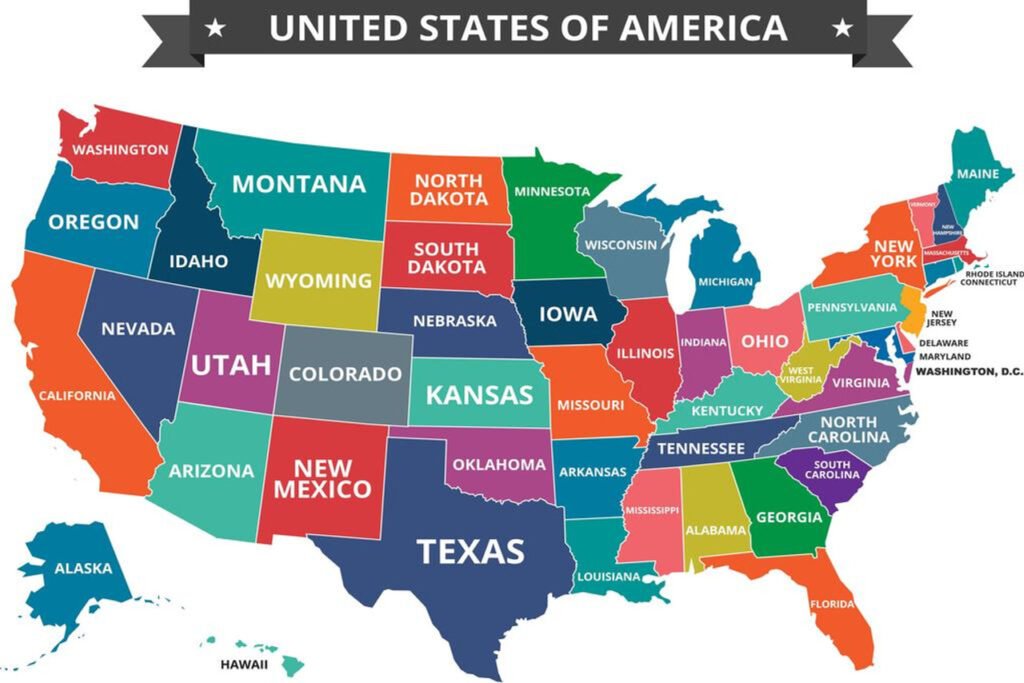
State AI laws in California, Colorado, and Texas give you rights like knowing when AI denies your loan or job application, and the executive order aims to eliminate those consumer protections.
This is where it gets personal. Those state AI laws weren’t just bureaucratic red tape. Many of them were designed to protect regular people like you and me.
California’s AI laws require companies to tell you when AI is being used to make significant decisions about you, like whether you get a loan, a job interview, or an apartment. Colorado’s law gives you the right to opt out of AI profiling. These aren’t abstract regulations. They’re protections that affect your daily life.
With the Trump AI executive order pushing to eliminate these state protections, the question becomes what replaces them. The order talks about a “minimally burdensome” federal framework, which sounds a lot like less regulation overall, not just unified regulation.
The “China Competition” Argument
Trump frames AI deregulation as a national security issue against China, but California proves that strict tech regulation and world-class innovation can coexist.
At the signing ceremony, Trump framed this as a national security issue. “There’s only going to be one winner” in AI, he said, implying that regulatory burdens could hand that victory to China.
This is a legitimate concern. China is pouring massive resources into AI development with minimal regulatory friction. American AI companies do face a more complex regulatory environment, especially when each state adds its own rules.
The counterargument is worth considering, though. Some of the most innovative tech companies in the world are based in California, which has some of the strictest tech regulations. Regulation and innovation aren’t necessarily opposites. Sometimes rules that protect consumers also build the trust that makes people willing to use new technology.
Can This Trump AI Executive Order Actually Work?
Congress rejected preemption language in a 99-1 Senate vote, Governor DeSantis called it “federal overreach,” and legal experts say only Congress can preempt state laws, not executive orders.
ℹ️ Reality check: Executive orders have limits. The president can’t actually override state laws by himself. That requires Congress.
Florida Governor Ron DeSantis, a fellow Republican, posted on X that “an executive order doesn’t/can’t preempt state legislative action.” He called similar proposals “federal government overreach” and “a subsidy to Big Tech.” We covered DeSantis’s competing AI Bill of Rights in detail.
The Trump AI executive order is already facing headwinds. Congress rejected preemption language in the defense policy bill. Senators stripped a similar provision from the budget bill in a 99-1 vote. That’s about as bipartisan a rejection as you can get.
So what the order really does is start fights. The DOJ task force will sue states. States will fight back. Courts will decide. This could take years to resolve.
Who Wins and Who Loses
Big AI companies like OpenAI, Google DeepMind, and Meta AI win by avoiding 50 different state rule sets, while consumers in California, Colorado, and Texas may lose transparency and opt-out rights.
Winners:
- Big AI companies like OpenAI, Google, and Meta who won’t have to comply with 50 different rule sets
- AI startups that struggle to afford compliance teams for multiple state regulations
- States without AI laws that might attract AI company headquarters
Losers:
- Consumers in states with protections who may lose rights to transparency and opt-outs
- State lawmakers who spent years crafting AI regulations
- Privacy advocates who see state laws as the front line of AI accountability
What You Can Actually Do About This
You can protect yourself by asking companies when AI makes decisions about you, using privacy tools like VPNs and browser extensions, and contacting your representatives while Congress is still forming its AI policy opinions.
Realistically, most of us aren’t going to change federal AI policy. But you can still protect yourself.
Stay informed about AI in your life. Know when AI is making decisions about you. Ask companies directly if you’re unsure. Even without legal requirements, many companies will tell you if you ask.
Use privacy tools. Browser extensions, VPNs, and privacy-focused services can limit how much data AI systems collect about you, regardless of what regulations exist.
Support organizations fighting for AI accountability. Groups like the Electronic Frontier Foundation and ACLU are actively challenging AI overreach in courts.
Contact your representatives. Congress ultimately decides whether federal AI law preempts state protections. Your voice matters more than you think, especially on technical issues where lawmakers are still forming opinions. For a broader look at AI regulation, see our news coverage.
Common Questions About the Trump AI Executive Order
Does this Trump AI executive order immediately cancel state AI laws?
No. Executive orders can’t directly override state laws. The order creates a task force to challenge state laws in court and pushes Congress to pass preemption legislation. State laws remain in effect until courts strike them down or Congress acts.
Which states are most affected by this order?
California, Colorado, Utah, and Texas have AI regulations that are now targets. California’s laws are likely the primary focus given the state’s influence on tech policy and its friction with the Trump administration.
Will AI apps I use change because of this?
Not immediately. But over time, if state protections disappear, companies may have less incentive to be transparent about how AI affects you. Features like “why am I seeing this recommendation” explanations could become optional rather than required.
Is there any AI regulation this order doesn’t touch?
Yes. The order explicitly exempts child safety protections, data center infrastructure regulations, and state procurement rules for AI. David Sacks, Trump’s AI advisor, said they’re only targeting “the most onerous” regulations.
This fight over AI regulation is just getting started, and it’ll shape what protections you have for years to come.
Related reading: DeSantis’s AI Bill of Rights | AI News Coverage | New to AI? Start here
WHO WROTE THIS
Moses Smith. I write Everyday AI for people who aren’t engineers. I go try the tools, then tell you honestly whether they were worth it. Sometimes the answer is no, and that’s kind of the point.
This blog is free and has no ads. If it saved you some time, you can buy me a coffee.