ℹ️ Quick Answer. Clair Obscur lost its Indie Game Awards because the developer initially denied using AI, then admitted to it on the day of the ceremony. The replacement winner also used AI but was apparently more upfront about it. The lesson is simple. It’s the cover-up, not the crime.
📋 WHAT’S INSIDE
- What Happened with Clair Obscur at the Indie Game Awards
- The AI Use That Got Clair Obscur Disqualified
- The Irony. Blue Prince Used AI Too
- What This Means for You as a Gamer
- The Honest Take
- Common Questions About the Clair Obscur AI Controversy
The Clair Obscur AI controversy just got messier. Days after winning Game of the Year at the Indie Game Awards, Sandfall Interactive’s hit RPG had both awards stripped away for using generative AI during development.
The twist that makes this story absurd? The game that replaced it as Game of the Year, Blue Prince, also used generative AI. The developers openly admitted it.

What Happened with Clair Obscur at the Indie Game Awards
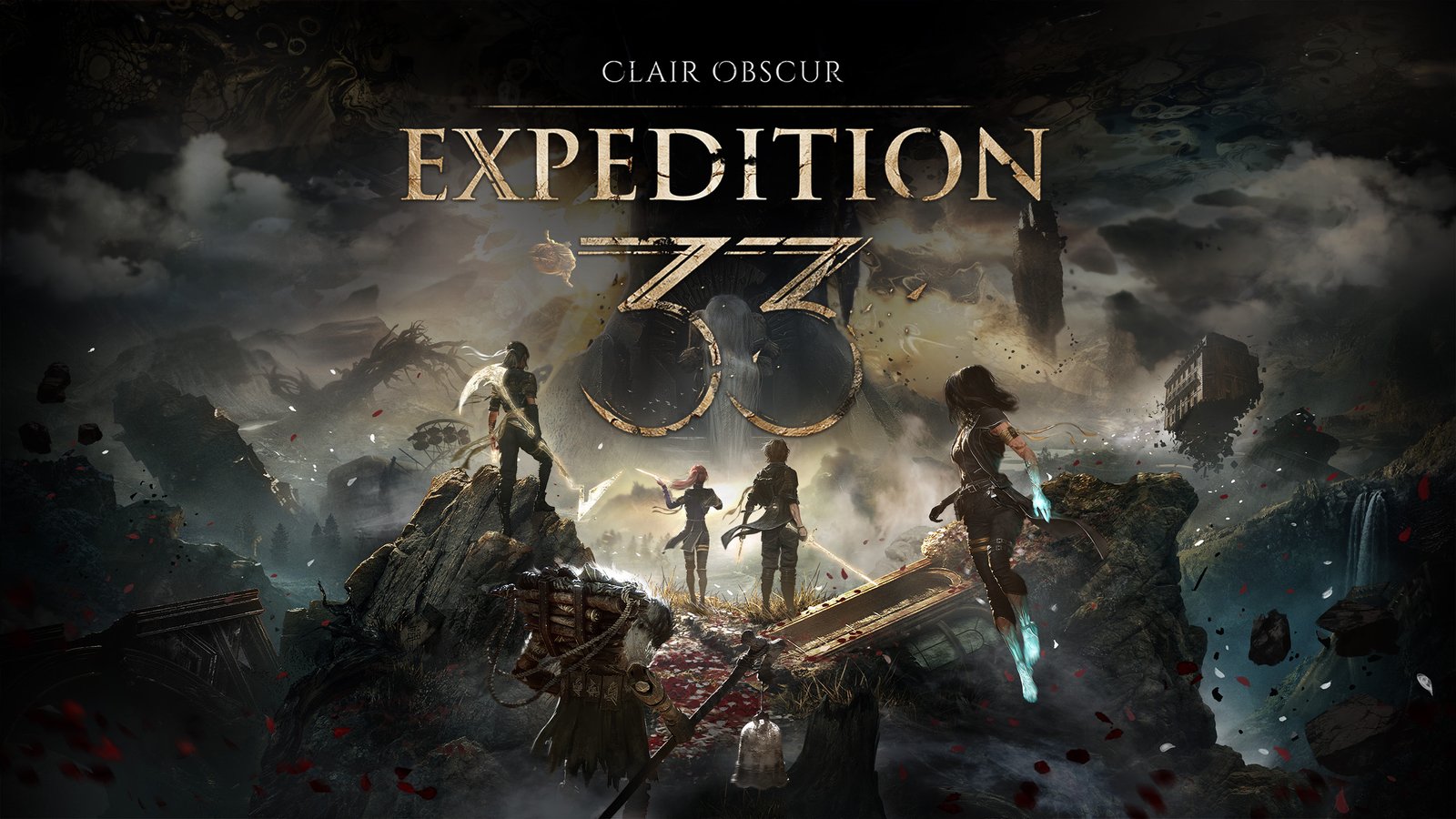
Clair Obscur: Expedition 33 won Game of the Year and Debut Game at the December 18, 2025 Indie Game Awards, then had both awards stripped after producer François Meurisse admitted to using generative AI during development.
The Indie Game Awards took place on December 18, 2025. Clair Obscur: Expedition 33 walked away with two major wins. Game of the Year and Debut Game.
But there was already controversy brewing. Many questioned whether Clair Obscur even qualified as an “indie” game. It has a publisher, a budget in the millions, and features Hollywood voice talent. A far cry from a scrappy passion project made in someone’s basement.
Then the AI bombshell dropped.
On the same day as the awards ceremony, producer François Meurisse confirmed in an interview that the team had used “some AI, but not much” during development. This directly contradicted what Sandfall Interactive had stated when submitting the game for consideration.
The Indie Game Awards have a clear policy. No generative AI at any stage of development. Period.
The AI Use That Got Clair Obscur Disqualified
Sandfall Interactive used AI-generated textures as placeholders during development. At least one of those textures shipped in the final game and was quietly patched out without any public acknowledgment.
According to GamesRadar, the AI-generated assets in Clair Obscur were used as placeholders during development. Sharp-eyed players had actually spotted what appeared to be AI-generated textures in at least one area of the game.
When the odd textures circulated online, Sandfall quietly patched them out without acknowledging the issue. No announcement, no explanation. Just a silent fix.
The real problem was the denial, followed by the quiet cover-up.
The Irony. Blue Prince Used AI Too
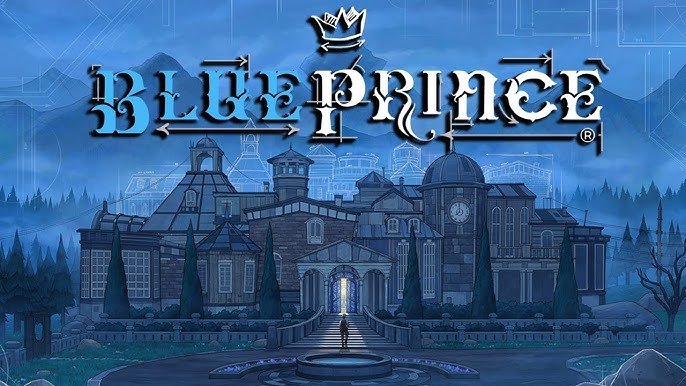
The replacement Game of the Year winner, Blue Prince by Dogubomb, also admitted to using generative AI for “small stuff like various background pieces.” But they were upfront about it from the start.
This is where the story gets ridiculous.
After stripping Clair Obscur of its awards, the Indie Game Awards gave Game of the Year to Blue Prince. The runner-up. A worthy choice by most accounts.
Except Blue Prince also used generative AI.
According to The Escapist, Blue Prince developers openly admitted to using AI for “small stuff like various background pieces, nothing core.” They didn’t hide it. They didn’t claim it was patched out.
So the lesson here isn’t “don’t use AI.” It’s “don’t lie about using AI.”
What This Means for You as a Gamer
The game itself is unaffected. Clair Obscur still holds its 9 wins at The Game Awards 2025, and the controversy is more about AI disclosure policies than game quality.
If you’ve been enjoying Clair Obscur: Expedition 33, nothing changes about the actual game. It still won 9 awards at The Game Awards 2025, including Game of the Year. Those awards stand.
The indie award situation is more about the messy ethics of AI disclosure than the quality of the game itself.
But this controversy highlights something important. AI is everywhere in game development now, and the rules about disclosure are inconsistent at best.
Some organizations have zero-tolerance policies. Others don’t care. Most fall somewhere in between, making it up as they go.
The Honest Take
This whole situation feels performative. Stripping an award from one game for using AI, only to give it to another game that also used AI, doesn’t exactly send a clear message.
What it does reveal is that the gaming industry hasn’t figured out how to handle AI yet. Nobody has consistent rules. Developers don’t know what to disclose. Award shows are making up policies on the fly.
If you’re a gamer who cares about AI use in the games you play, you’re going to have a hard time getting straight answers. Transparency is the exception, not the rule.
Common Questions About the Clair Obscur AI Controversy
Did Clair Obscur lose all its awards?
No. It only lost the two Indie Game Awards (Game of the Year and Debut Game). Its 9 wins at The Game Awards 2025 still stand, including Game of the Year at that ceremony.
What AI did Clair Obscur use?
Sandfall Interactive used AI-generated assets as placeholders during development. At least one AI texture made it into the shipped game but was later patched out.
Is AI use common in video games?
Increasingly, yes. Studios use AI tools like Midjourney and Stable Diffusion for background assets, textures, voice synthesis, and other elements. The controversy is more about disclosure than the use itself.
Related reading: Disney Sora Partnership | McDonald’s AI Christmas Ad Backlash | New to AI? Start here
WHO WROTE THIS
Moses Smith. I write Everyday AI for people who aren’t engineers. I go try the tools, then tell you honestly whether they were worth it. Sometimes the answer is no, and that’s kind of the point.
This blog is free and has no ads. If it saved you some time, you can buy me a coffee.