
ℹ️ Quick Answer: AI home maintenance uses smart sensors and machine learning to monitor your HVAC, plumbing, and electrical systems 24/7 and predict failures before they become emergencies. You can start with a Google Nest thermostat and Govee leak sensors for under $300.
📋 WHAT’S INSIDE
- What Is AI Home Maintenance?
- How AI Home Maintenance Predictions Work
- Real Examples: Where AI Home Maintenance Saves Money
- 5 Benefits of AI Home Maintenance
- How to Get Started with AI Home Maintenance
- The Honest Limitations of AI Home Maintenance
- Common Questions About AI Home Maintenance
Your water heater is dying. You just don’t know it yet.
It’s working 12% harder than it was six months ago. Drawing more electricity. Running longer cycles. These are warning signs, invisible to you, that predict a $3,000 emergency replacement in about four months.
What if something was watching for these signals and told you before the flood?
This is Part 20 of our 20-part series on how AI can improve your life in 2026. See all parts
What Is AI Home Maintenance?
AI home maintenance uses smart sensors, connected devices like the Google Nest thermostat or Flo by Moen, and machine learning to monitor your HVAC, plumbing, and electrical systems 24/7 and predict failures before they become emergencies.
Instead of waiting for something to break (reactive) or following a fixed schedule whether you need it or not (preventive), AI watches for actual warning signs specific to your home.
Think of it like a doctor who monitors your vital signs around the clock and says “your blood pressure is trending up, let’s adjust something” before you have a heart attack. Except for your water heater, HVAC, and electrical system.
How AI Home Maintenance Predictions Work
AI home maintenance systems learn your home’s baseline patterns from sensor data, then score and prioritize anomalies like a water heater drawing 15% more power or an HVAC running 30% more cycles than normal.
This is what happens behind the scenes when AI monitors your home.
Learning Your Home’s “Normal”
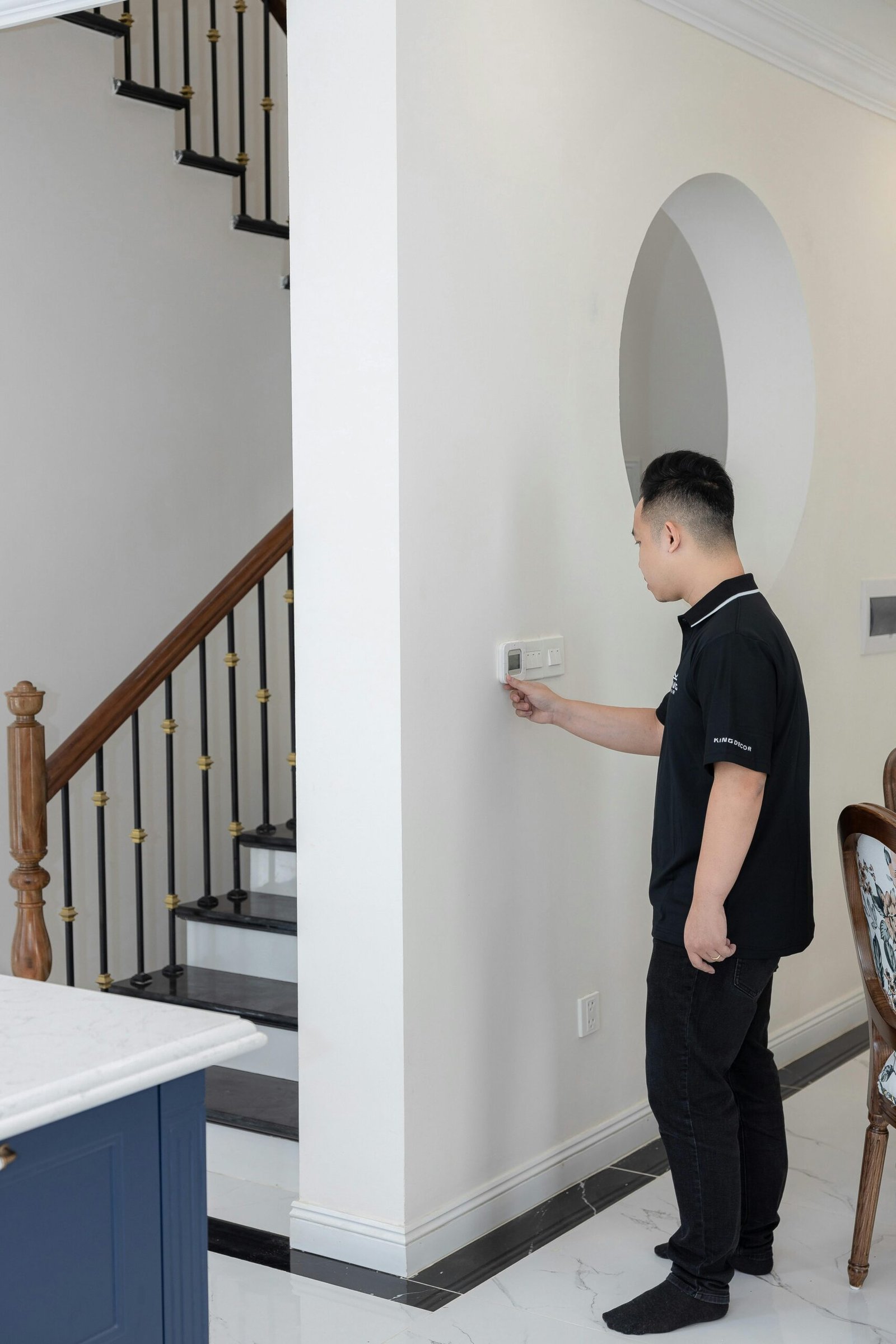
AI systems collect data from sensors throughout your home. Smart thermostats track heating and cooling cycles, energy monitors measure electrical usage, leak sensors watch for moisture, and appliance monitors track how often things run. Over time, the AI builds a baseline of what “normal” looks like for your specific home.
Spotting Anomalies
Once the AI knows what’s normal, it watches for deviations. Your water heater is drawing 15% more electricity than usual? That might indicate sediment buildup or a failing heating element. Your HVAC is running 30% more cycles to maintain the same temperature? Could be a refrigerant leak or dirty filter.
Risk Scoring and Alerts
Not every anomaly is urgent. AI home maintenance systems score the risk level and prioritize alerts accordingly. A small efficiency drop might just show up in your monthly report. A pattern that suggests imminent failure gets an immediate push notification.
From Alert to Action
The best systems don’t just tell you something’s wrong. They help you fix it. Some connect to vetted service provider networks and can automatically schedule appointments. Others provide diagnostic information you can share with contractors.
Real Examples: Where AI Home Maintenance Saves Money
The biggest savings come from HVAC monitoring (catching a $200 compressor fix before it becomes a $2,000+ emergency replacement) and water leak detection (preventing thousands in water damage with $30 smart sensors).
HVAC Monitoring
HVAC systems are the biggest win for predictive maintenance. A smart thermostat with AI can detect loss of efficiency, unusual cycling patterns, or gradual performance decline. Catching a failing compressor early means a $200 to $400 repair instead of a $2,000+ emergency replacement.
Water Leak Detection
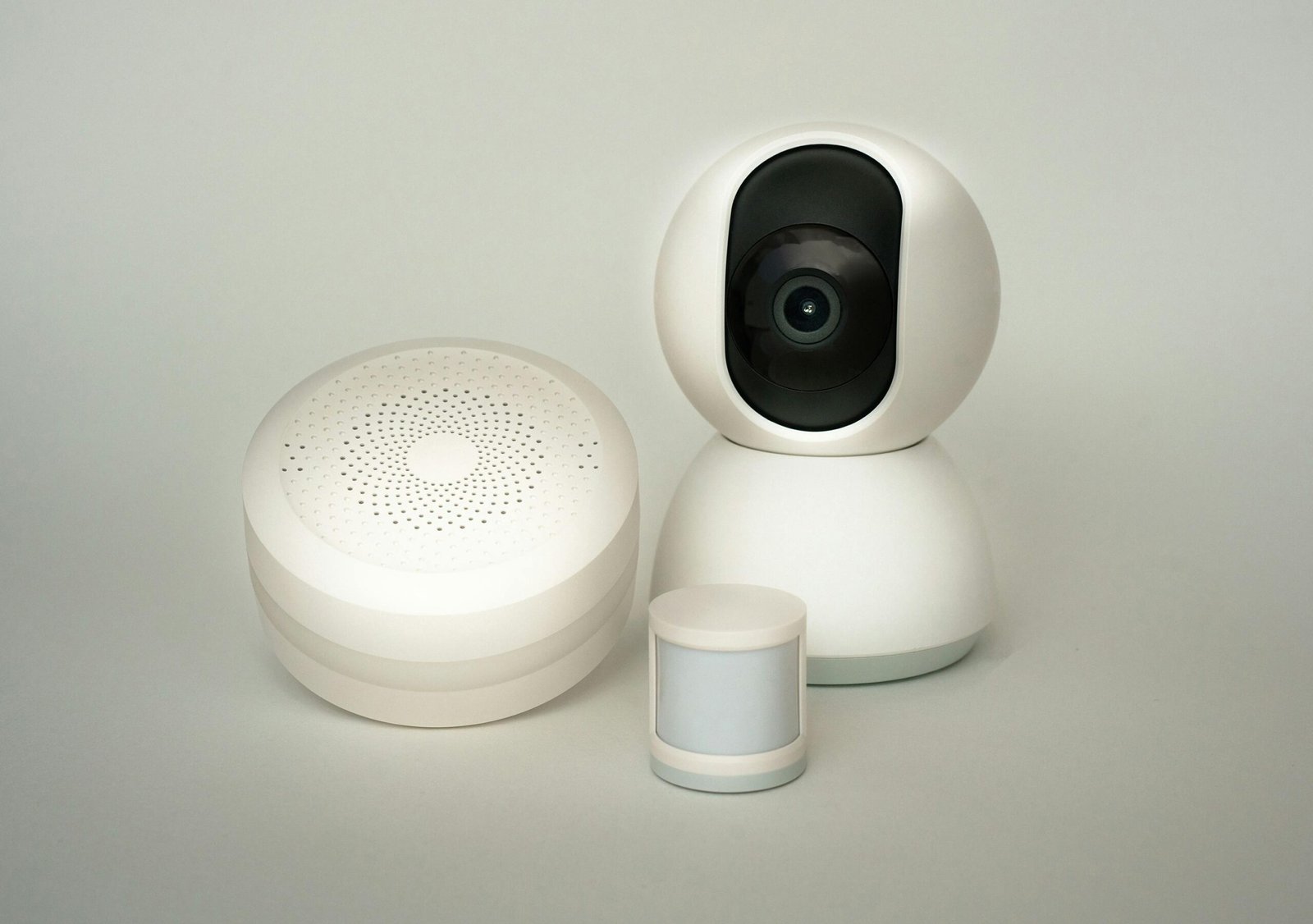
Water damage is one of the most expensive home disasters. Smart leak sensors in high risk areas (under sinks, near water heaters, in basements) can catch leaks within minutes. Some whole home water monitors can detect hidden pipe leaks by analyzing flow patterns. AI spots things like a toilet running constantly or an invisible slow leak behind a wall.
Electrical System Monitoring
Smart electrical panels and energy monitors can detect abnormal loads, circuits that are drawing more power than they should, or appliances that are starting to fail. This isn’t just about saving money. Electrical issues can be safety hazards.
Appliance Health
Many newer appliances have built in diagnostics that can flag issues. Smart plugs with energy monitoring can track older appliances too. A refrigerator compressor that’s running constantly or a dryer that’s taking longer to dry clothes are early warning signs AI can catch.
5 Benefits of AI Home Maintenance
AI home maintenance delivers five key benefits. Lower repair costs by catching problems early, longer equipment lifespan through proper upkeep, reduced energy bills, disaster prevention, and peace of mind from 24/7 monitoring.
1. Lower Repair Costs
The math is simple. Small repairs cost less than big ones. Emergency repairs cost more than scheduled ones. Catching problems early almost always saves money.
2. Longer Equipment Lifespan
Systems that are maintained properly last longer. Your HVAC might last 15 to 20 years with good maintenance versus 10 to 12 without it. That’s thousands of dollars in delayed replacement costs.
3. Energy Savings
Inefficient systems waste energy. A struggling HVAC burns more electricity. A water heater with sediment buildup works harder. AI catches these efficiency drops, which means lower monthly utility bills.
4. Prevent Disasters
Water damage, electrical fires, HVAC failures in extreme weather. These aren’t just expensive. They’re disruptive and sometimes dangerous. AI home maintenance helps prevent the worst case scenarios.
5. Peace of Mind
There’s a real psychological benefit to knowing your home is being watched. You’re not going to come home to a flooded basement or wake up to a dead furnace in January. The AI is monitoring things so you don’t have to worry.
How to Get Started with AI Home Maintenance
Start with a Google Nest or Ecobee smart thermostat and a pack of Govee leak sensors for under $300, then add a Flo by Moen whole home water monitor and Sense Energy Monitor as you see value.
Start with What You Have
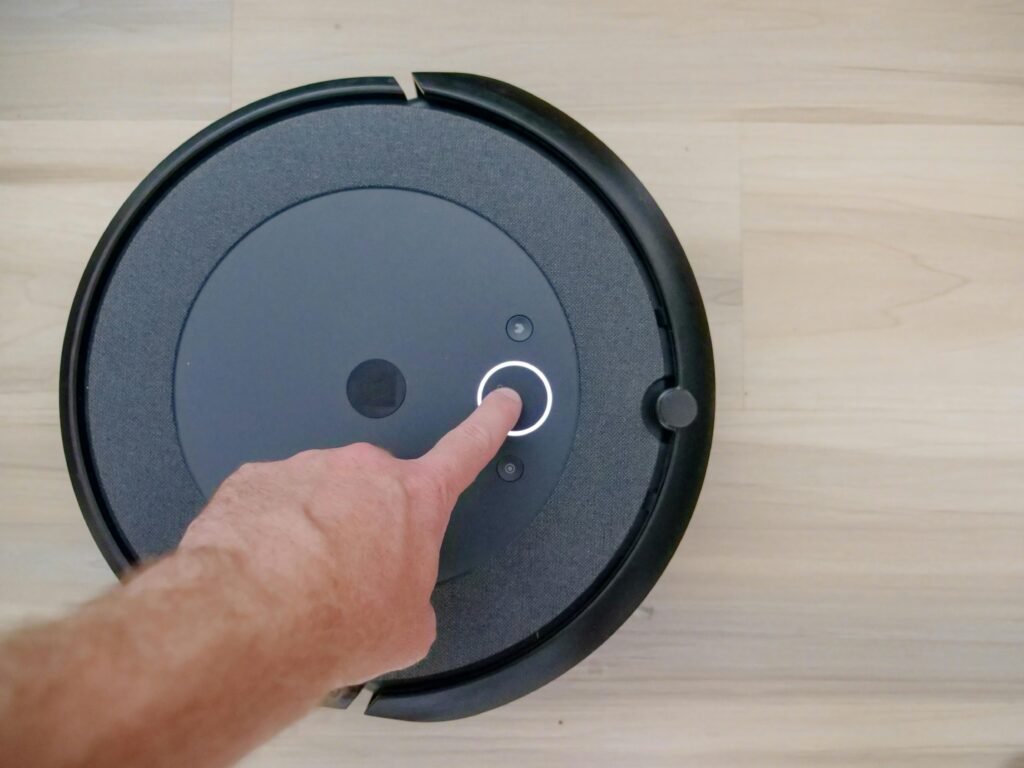
Check what smart devices you already own. Many smart thermostats already include basic AI monitoring. Your existing devices might have features you’re not using.
Add High Impact Sensors
If you’re starting from scratch, prioritize:
- Smart thermostat: Google Nest Learning Thermostat or Ecobee Smart Thermostat. Gateway to HVAC monitoring
- Leak sensors: Govee Water Leak Detectors (budget friendly 5 pack). Under sinks, near water heater, basement
- Whole home water monitor: Flo by Moen Smart Water Shutoff. Catches hidden leaks and can auto shutoff
- Energy monitor: Sense Energy Monitor. Tracks electrical usage by device
Choose a Central Platform
Having sensors is one thing. Getting useful insights is another. Look for platforms that aggregate data and provide actual predictions.
- HomeZada: Home management platform with AI maintenance scheduling
- Hippo Home Insurance: Some smart home insurance policies include monitoring
- Manufacturer apps: Nest, Ecobee, and others have increasingly good predictive features
Ask Your Service Providers
Some HVAC companies now offer remote monitoring services. They install sensors on your system and watch for problems remotely. Ask your local contractors if they offer anything like this.
The Honest Limitations of AI Home Maintenance
AI home maintenance can’t predict sudden failures like frozen pipes, only detects leaks where sensors are placed, collects detailed data about your habits, and requires upfront investment before you see the ROI.
AI home maintenance isn’t magic. Here’s what it struggles with.
It can’t predict everything. Some failures happen suddenly without warning signs. A pipe can burst from freezing even if there were no prior issues. AI reduces risk but doesn’t eliminate it.
Sensors can fail or miss things. A leak sensor only catches leaks where it’s placed. If the leak happens somewhere else, you’re still in trouble. Coverage matters.
Data privacy considerations. These systems collect detailed information about your home and habits. Make sure you’re comfortable with who has access to that data and how it’s used.
Upfront costs. Building out a smart home monitoring system costs money. The ROI is real, but you need to invest first. Start small and expand as you see value.
Still need basic maintenance. AI doesn’t replace changing your HVAC filter or clearing your gutters. It supplements good habits, not replaces them.
Common Questions About AI Home Maintenance
What is AI predictive home maintenance?
It’s using smart sensors, connected devices, and machine learning to monitor your home’s systems and predict failures before they happen. Instead of waiting for things to break, AI spots warning signs early so you can fix small problems before they become expensive emergencies.
Is AI home maintenance worth it for a single family home?
For many homes, absolutely. Preventing even one major HVAC, plumbing, or water damage incident can save thousands of dollars and easily pay for years of smart home equipment. The energy savings are a bonus.
Do I need an expensive full smart home setup?
No. You can start with just a smart thermostat and a few leak sensors for under $300. Add more devices over time as you see the value. You don’t need to build everything at once.
Will these systems share my data with third parties?
Policies vary by provider. Review privacy terms before buying, understand what data is collected, and adjust sharing settings. Reputable companies are transparent about data practices.
That wraps up our 20 part series on how AI can improve your life in 2026. From job searching to mental health, fitness to finance, we covered the practical ways AI is becoming a helpful part of everyday life. The key takeaway? Start small, experiment, and find what works for you. AI isn’t about replacing your judgment. It’s about giving you better information to make decisions with.
Related reading: AI Task Management | ChatGPT for Personal Finance | AI Life 2026 Series Hub | New to AI? Start here
Series Navigation: Part 19: AI Travel Itineraries | Series Hub
This post contains affiliate links. If you buy something through these links, I may earn a small commission at no extra cost to you.








Leave a Reply