
ℹ️ Quick Answer: AI music tools like Suno and Udio let non-musicians create songs that get millions of streams. But 50,000 AI songs are uploaded daily, 97% of listeners can’t tell the difference, and artists could lose 24% of their income by 2028. The industry is being flooded with content that sounds professional but was created in seconds.
📋 WHAT’S INSIDE
- The Scale of AI Music in 2025
- The Democratization Argument
- The Problem with “Democratization”
- The Settlements Changed Everything
- What This Means for You
- The Honest Take
- Common Questions About AI Music
AI music tools are letting anyone create songs. Type a prompt into Suno, and you get a full track with vocals, instruments, and production in seconds. No training, no studio, no years of practice.
This sounds like democratization. And technically, it is. But the reality of what’s happening to music in 2025 is stranger and more troubling than either the utopian or dystopian narratives suggest.

The Scale of AI Music in 2025
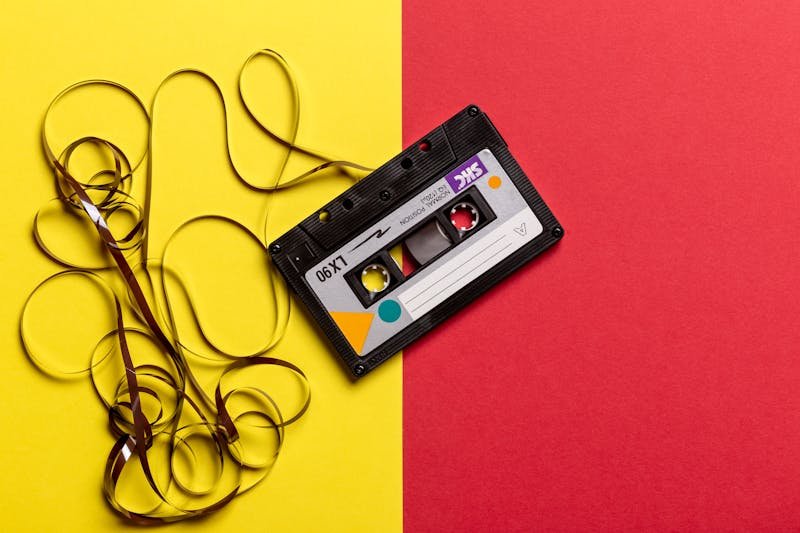
AI music has already gone mainstream, with tracks charting on Billboard and racking up millions of TikTok videos.
According to Deezer, 50,000 AI-generated songs are uploaded to streaming platforms every day. That’s 34% of all music submissions. And when the company surveyed 9,000 people across eight countries, 97% couldn’t distinguish AI-generated tracks from human-composed ones.
AI music is already hitting the charts. Billboard reports that AI-powered act Breaking Rust debuted at No. 9 on the emerging artists chart and later hit No. 1 on Country Digital Song Sales. “A Million Colors” by Vinih Pray, created with Suno, made the TikTok Viral 50.
Blow Records, which only released their first track in June 2025, became the highest-earning AI-generated artist on Spotify. Their hit “Predador de Perereca” spawned 1.6 million TikTok videos after going viral.
The Democratization Argument
Platforms like Boomy, Suno, and Udio argue that AI removes the traditional barriers of music education, studio access, and industry connections, letting anyone turn a text description into a finished song.
Platforms like Boomy, Suno, and Udio argue they’re democratizing music creation. The pitch is straightforward. Why should musical expression be limited to people with years of training, expensive equipment, and industry connections?
Boomy’s Cassie Speer highlighted that AI tools can help marginalized communities who lack access to music education. Someone without piano lessons or studio time can now create a full song by describing what they want.
Recording Academy CEO Harvey Mason Jr. recently said that “every” songwriter and producer he knows has used AI music tools. Even professionals are using Suno to generate ideas when they’re stuck.
There’s something appealing about this vision. Music is a fundamental human instinct. Scientists have speculated that early humans may have sung before they developed language. Why should creating music require gatekeepers?
The Problem with “Democratization”
Artists could lose 24% of their revenues to AI substitution by 2028, with over 200 artists including Billie Eilish and Stevie Wonder signing an open letter demanding protections against AI misuse in music.
⚠️ The impact on artists. By 2028, music creators could see 24% of their revenues at risk from AI substitution. AI-generated music is projected to account for 20% of streaming platform revenues. For working musicians, this is an existential threat.

Over 200 artists, including Billie Eilish and Stevie Wonder, have signed an open letter urging protections against AI misuse. Three-quarters of music producers now fear AI could replace human creators.
And there’s the copyright issue. AI music models learn from millions of songs scraped from the internet without artists’ permission. In 2024, Universal Music Group, Sony Music, and Warner Music Group sued Suno and Udio for alleged mass copyright infringement, seeking up to $150,000 per infringed work.
Suno admitted in court filings that it trained on “tens of millions” of recordings from the “open Web,” including copyrighted material. They claimed it was legal under fair use. The labels disagreed.
The Settlements Changed Everything
Udio settled with Universal and Warner by pivoting from music generation to a “fan engagement platform,” while Suno’s deal with Warner lets it keep generating music but only from licensed training data.
The lawsuits didn’t go to trial. Instead, the major labels cut deals.
According to Billboard, Udio reached agreements with Universal and Warner in October and November 2025. The settlement requires Udio to pivot from generating new music to becoming a “fan engagement platform” where users remix existing songs. They’ve already removed the download button.
Suno’s deal with Warner, announced November 25, 2025, is different. Suno can keep doing what it does, but must train on licensed music and charge users to download tracks.

What does this mean? The AI music tools that promised democratization are now partnering with the same major labels that have always controlled the music industry. The gatekeepers aren’t gone. They’re just collecting rent from the new tools.
What This Means for You
You can create AI music for fun right now using Suno, but monetizing it is getting harder as platforms crack down, and the rules are shifting fast as Udio’s pivot to fan engagement shows.
If you’ve been curious about AI music tools, here’s the honest picture.
You can create music now. Tools like Suno let you make surprisingly good songs by typing a description. It’s fun, and the results can be impressive.
Monetization is getting harder. Streaming platforms like Spotify and Apple Music are cracking down on AI-generated content. A viral Suno song was removed from platforms and re-released with human vocals. If you want to make money, expect friction.
The tools are changing fast. Udio’s pivot to fan engagement instead of music creation shows how quickly the rules can shift. What works today might not work tomorrow.
Human musicians aren’t going anywhere. Despite the hype, live music, authentic artistry, and the human stories behind songs still matter to listeners. AI can generate sounds, but it can’t generate meaning.
The Honest Take
Anyone can now create professional-sounding tracks with AI. But flooding platforms with 50,000 songs per day creates noise, not meaningful music.
Yes, a 10-year-old with a laptop can make a track that, sonically, rivals major-label releases. That’s completely new.
But flooding streaming platforms with 50,000 AI songs per day doesn’t create more meaningful music. It creates more noise. It makes it harder for human artists to get heard. And it raises serious questions about what we actually value in music.
Is a song valuable because it sounds good? Or because a human being poured their experience, emotion, and skill into creating it?
AI music tools are forcing us to answer that question. And the answer will shape what music looks like for the next generation.
Common Questions About AI Music
Can I tell if a song was made by AI?
Probably not. Studies show 97% of listeners can’t distinguish AI-generated music from human-composed tracks. The technology is already that good.
Is AI music legal?
It’s complicated. Creating AI music for personal use is generally fine. Monetizing it on streaming platforms is increasingly restricted. Universal Music Group, Sony Music, and Warner Music Group have settled lawsuits that limit how Suno and Udio can operate commercially.
Will AI replace human musicians?
For some applications, yes. Background music, stock music, and generic content will increasingly be AI-generated. For meaningful artistic expression, human musicians will remain valued. They may earn less as AI floods the market, though.
AI music is reshaping creative industries faster than most people realize. Where it lands is still anyone’s guess.
Related reading: AI YouTube Channels: The Truth About Faceless Content | McDonald’s AI Christmas Ad Backlash | New to AI? Start here



Leave a Reply