
ℹ️ Quick Answer: Meta is building two new AI models codenamed Mango (image and video generation) and Avocado (a large language model for text and coding). Both are expected to launch in the first half of 2026 under Meta’s new Superintelligence Labs division, led by Scale AI founder Alexandr Wang after a $14+ billion acquisition.
📋 WHAT’S INSIDE
- What Are Meta AI Mango and Avocado?
- Who Is Alexandr Wang?
- Why Is Meta Doing This Now?
- What Meta AI Mango Means for You
- The Honest Take
- Timeline
- Common Questions About Meta AI Mango
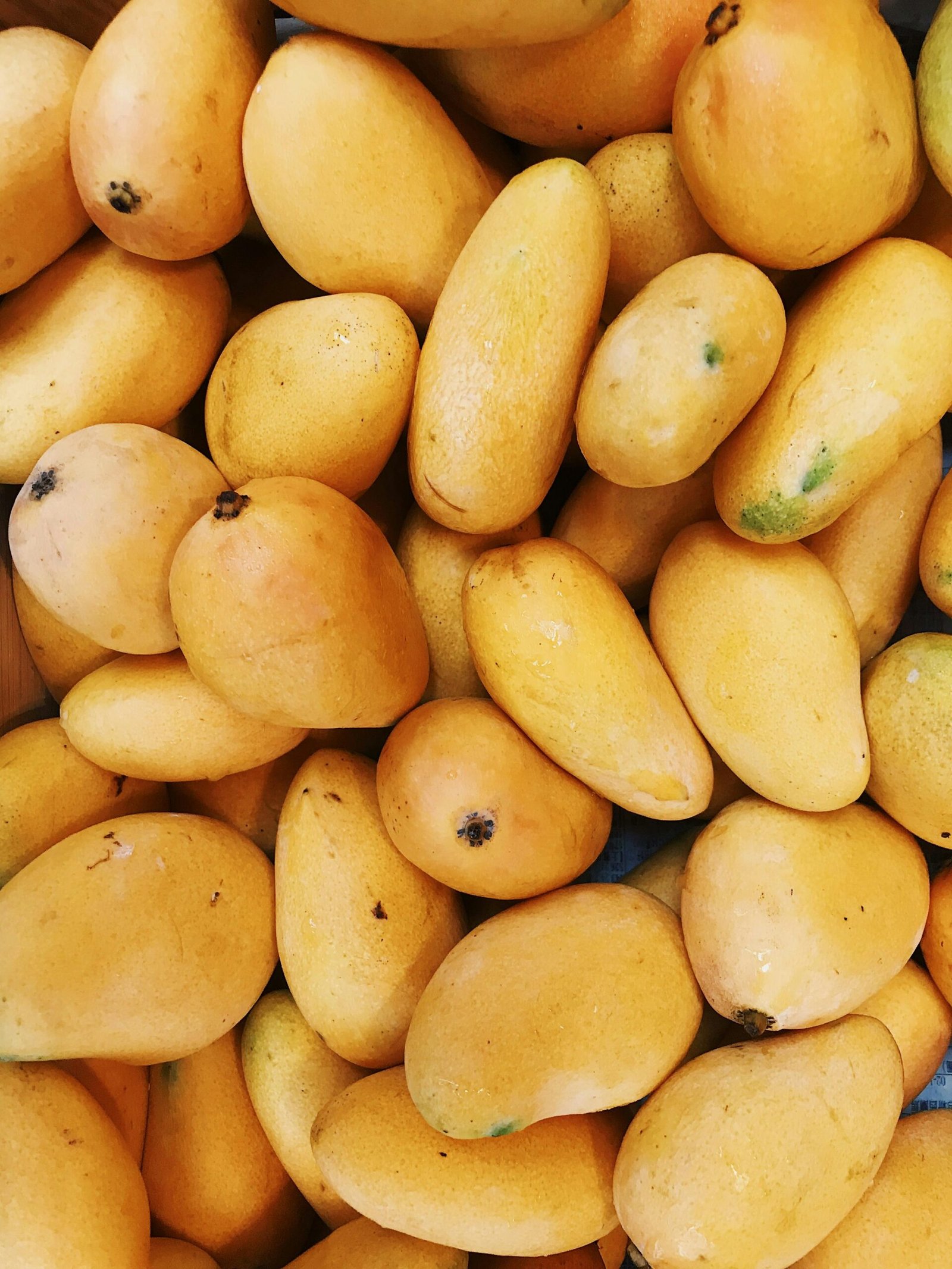
When I hear “Mango,” two things come to mind. First, the delicious tropical fruit. Second, Chris Kattan’s iconic SNL character who’d strut around proclaiming “You can’t have the Mango!” while grown men wept at his feet.
But starting in 2026, there might be a third association. Meta’s new AI image and video model.
According to The Wall Street Journal, Meta is developing two new AI models codenamed “Mango” and “Avocado.” Mango handles image and video generation. Avocado is a large language model for text and coding. Both are expected to launch in the first half of 2026.
The quick takeaway: Meta is betting big on these fruity models to catch up with OpenAI and Google. For you, this likely means better AI-generated images and videos on Instagram and Facebook, plus smarter AI assistants across Meta’s apps.
What Are Meta AI Mango and Avocado?
Mango is Meta’s upcoming image and video generation model. Think of it as Meta’s answer to OpenAI’s Sora or Google’s Imagen. It will likely power AI-generated content features across Instagram, Facebook, and WhatsApp.
Avocado is a new large language model (LLM) designed to be better at coding and understanding visual information. This will compete with OpenAI’s GPT-5, Anthropic’s Claude, and Google’s Gemini. Meta is targeting a spring 2026 release.
Both models are being developed under Meta’s newly formed Superintelligence Labs division, led by Alexandr Wang.
Who Is Alexandr Wang?
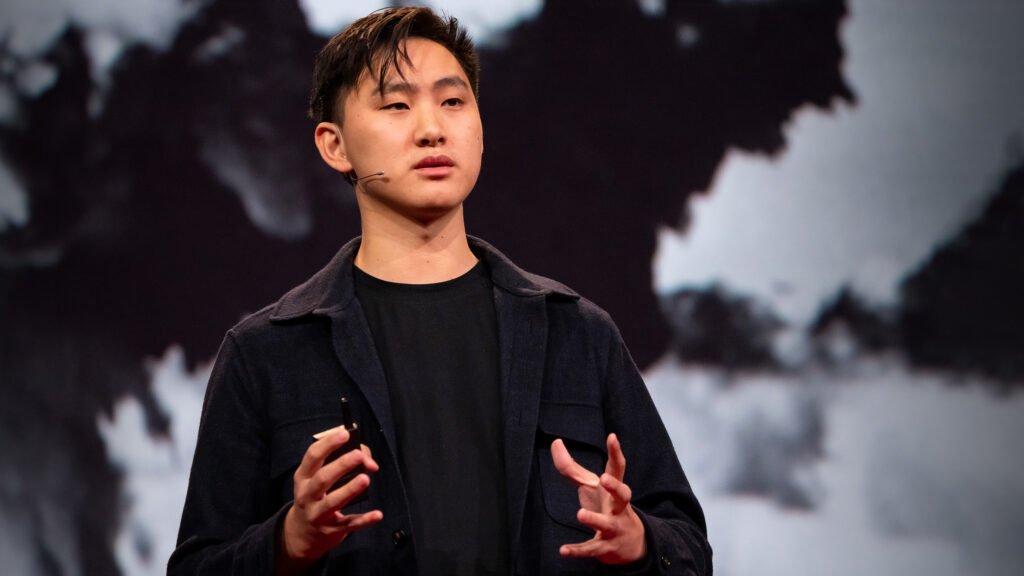
If you haven’t heard of Alexandr Wang, you will soon. The 28-year-old became the world’s youngest self-made billionaire at 24 when he founded Scale AI, a company that helps label data for training AI models.
Earlier this year, Meta acquired a near-majority stake in Scale AI for over $14 billion and brought Wang on as Chief AI Officer. He now leads Meta Superintelligence Labs (MSL), the division responsible for Mango and Avocado.
Wang and Chief Product Officer Chris Cox revealed the roadmap during an internal Q&A session on Thursday.
Why Is Meta Doing This Now?
Meta has been losing the AI race.
While OpenAI has ChatGPT, Google has Gemini, and Anthropic has Claude, Meta doesn’t have a standout AI product that people use independently. Their Llama models are popular with developers, but the average person isn’t firing up Llama to write emails or generate images.
Reports suggest Llama 4 underperformed expectations, prompting Meta to shift resources toward these new proprietary models. This is a departure from their previous open-source strategy.
The pivot hasn’t been smooth. Sources describe “organizational friction” between teams working on legacy Llama projects and those focused on the new closed-development approach.
What Meta AI Mango Means for You
Mango will likely bring better AI image generation and video tools to Instagram Reels, Facebook, and WhatsApp, while Avocado will power a smarter Meta AI assistant across all Meta apps.
Here’s what you might actually see when these models launch.
Better AI image generation on Instagram and Facebook. Expect improved filters, AI-generated backgrounds, and maybe even full image creation tools built into the apps you already use.
AI video tools for creators. Mango could power features that help creators generate video content, similar to what OpenAI’s Sora promises. This could be huge for Reels and short-form video.
Smarter Meta AI assistant. Avocado will likely improve the Meta AI assistant that’s already in WhatsApp and Messenger. Better coding help, better answers, better understanding of images you share.
More AI in your feed. For better or worse, expect more AI-generated and AI-enhanced content across all Meta platforms.

The Honest Take
Meta naming their AI models after fruits feels very Silicon Valley. But beneath the quirky codenames is a serious $14+ billion bet to stay relevant in the AI race.
⚠️ Manage expectations. Meta has a history of announcing ambitious AI projects that take longer than expected or pivot entirely. Remember when the metaverse was the future? Wait to see actual products before getting too excited.
But with Alexandr Wang at the helm and billions on the line, this feels different. Meta isn’t just dabbling in AI anymore. They’re going all in.
And if nothing else, at least Chris Kattan can rest easy knowing he’s no longer the only famous Mango in town.
Timeline
Spring 2026 is the target for Avocado (the large language model) and first half 2026 for Mango (image and video generation).
Spring 2026. Avocado (LLM) expected to launch.
First half 2026. Mango (image/video) expected to launch.
Common Questions About Meta AI Mango
Will Meta AI Mango and Avocado be free to use?
Meta typically integrates AI features into their free apps (Instagram, Facebook, WhatsApp). Expect basic features to be free with possible premium tiers for advanced capabilities.
How does Meta AI Mango compare to OpenAI’s Sora?
We don’t know yet. Mango is still in development and details are limited. The key difference may be integration. Sora is standalone, while Mango will likely be built into apps billions already use.
Why fruit codenames?
Tech companies love quirky internal codenames. Apple used cats (Leopard, Lion), then California locations (Mojave, Sonoma). Google used desserts (KitKat, Oreo). Meta apparently likes produce. At least it’s memorable.
Meta’s fruity AI bet is worth watching, even if we won’t see the real results for a few more months.
Related reading: Disney Sora Partnership | ChatGPT Image Generation Gets a Major Upgrade | New to AI? Start here





Leave a Reply