ℹ️ Quick Answer: Nvidia Vera Rubin is Nvidia’s next-generation AI chip platform announced at CES 2026. It delivers 5x faster AI responses and 10x lower costs for running advanced AI models. For everyday users of ChatGPT, Claude, and Gemini, this means faster, cheaper, and more capable AI assistants starting in late 2026.
📋 WHAT’S INSIDE
- Why Chip News Matters to AI Users Like Us
- What Is Nvidia Vera Rubin?
- The “So What” for ChatGPT and Claude Users
- The Bigger Picture: AI Gets Cheaper and Better
- What Won’t Change Immediately
- Nvidia Vera Rubin FAQ
- Bottom Line
I actually pay attention to chip announcements now, even though they used to bore me to tears. Here’s why.
Why Chip News Matters to AI Users Like Us
Nvidia manufactures over 80% of the GPUs powering AI services like OpenAI’s ChatGPT, Anthropic’s Claude, and Google’s Gemini, so their chip upgrades directly determine how fast and cheap your AI tools become.
I get it. A new computer chip sounds about as interesting as watching paint dry. For years, I ignored these announcements. I figured it was just technical jargon for developers and gamers.
But that changed when I started using ChatGPT and Claude for my daily work. I realized the speed and quality of my AI assistants depend entirely on the power of the Nvidia GPUs running them in data centers owned by AWS, Google Cloud, and Microsoft Azure.
When I ask an AI to brainstorm ideas or summarize a document, I’m essentially renting time on a powerful computer in a data center somewhere. The better the computer, the faster and more detailed the answer. Announcements about new chips are direct previews of how much better our AI tools will get in the near future.
This announcement from Nvidia is especially important because they make the chips that run almost the entire AI industry. When they release something new, it’s a signal for the whole market. Want to understand more about how AI developments affect everyday users? We cover these connections regularly.
What Is Nvidia Vera Rubin?
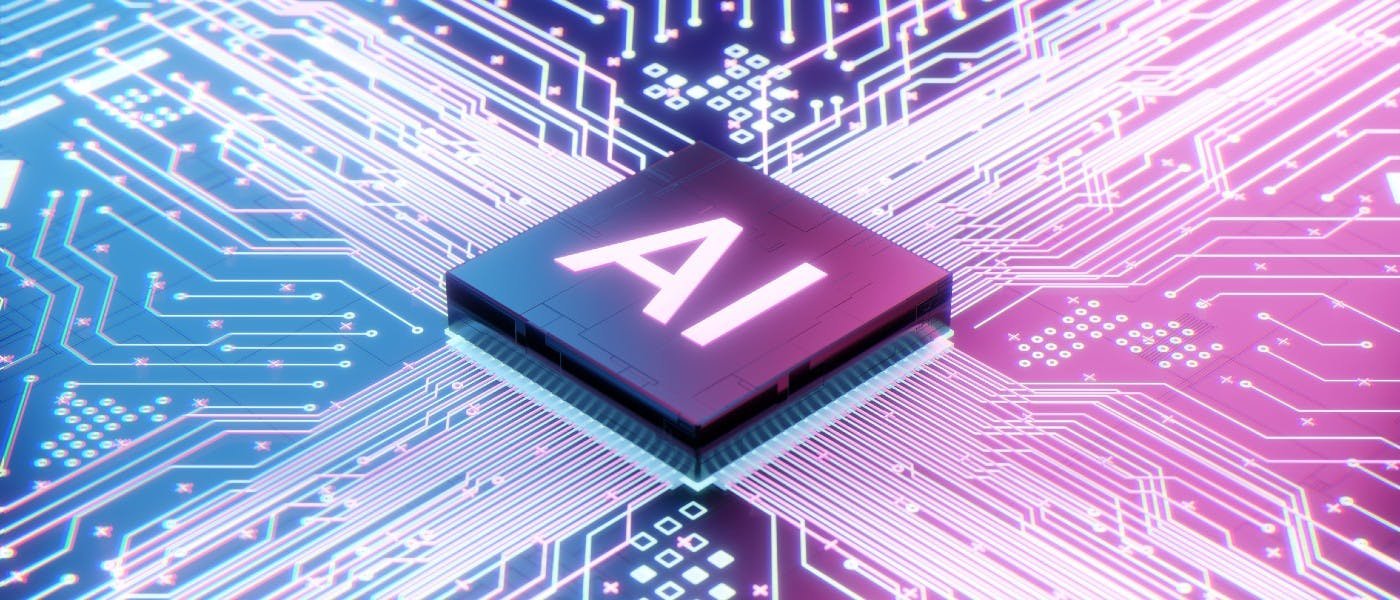
Nvidia Vera Rubin is a 6-chip AI supercomputer platform built on TSMC’s 3nm process with 336 billion transistors, 288GB of HBM4 memory, and 22TB/s bandwidth, succeeding the current Nvidia Blackwell architecture.
Nvidia Vera Rubin is a 6-chip AI supercomputer platform. Think of it as the new brain for the AI services you use. Named after Vera Rubin, the astronomer who discovered evidence of dark matter, this platform is the successor to the current Nvidia Blackwell chips that are just now being installed in data centers.
The platform includes.
- Vera CPU and Rubin GPU as the core processors
- 336 billion transistors on TSMC’s 3nm process (for context, the Apple A17 Pro in your iPhone has about 19 billion)
- 288GB of SK Hynix HBM4 memory with 22TB/s bandwidth
- Availability in H2 2026, already in “full production”
The “So What” for ChatGPT and Claude Users
Nvidia Vera Rubin promises 5x faster inference for answering prompts, 10x lower token costs for running GPT-4 class models, and 4x fewer GPUs needed to train new AI models.

This is where it gets practical. The new Nvidia Vera Rubin platform promises.
- 5x faster inference (that’s the work an AI does when answering your prompts)
- 10x lower token costs for Mixture-of-Experts (MoE) models like OpenAI’s GPT-4o
- 4x fewer GPUs needed to train advanced models
Lower costs for AI companies = more generous free tiers, lower subscription prices, and more powerful features for the same price. This is how AI becomes truly accessible to everyone.
Lower token costs for OpenAI, Anthropic, and Google mean they can offer us more powerful services for less money. It could lead to more generous free tiers or lower prices for premium subscriptions like ChatGPT Plus ($20/month) and Claude Pro ($20/month).
All the big AI players have already partnered with Nvidia to use these chips.
- OpenAI (ChatGPT)
- Anthropic (Claude)
- Meta (Llama)
- xAI (Grok)
- Cloud platforms like AWS, Google Cloud, Microsoft Azure, and Oracle Cloud
Every major AI company is building on this platform. It’s the foundation for the next wave of AI tools you’ll actually use.
The Bigger Picture: AI Gets Cheaper and Better
The cost to train and run AI models is dropping fast, and Nvidia Vera Rubin accelerates this trend, which means AI that handles longer documents, remembers more context, and integrates into more everyday apps.

The trend is clear. The cost to train and run powerful AI models is dropping fast. The Vera Rubin platform is a huge step in that direction.
When the tools get cheaper and faster, developers can experiment more. They can build more complex and helpful features. For us, this means AI that can.
- Handle longer documents without cutting off
- Remember more of our conversations
- Generate more creative outputs without noticeable delays
- Get integrated into more everyday apps like Gmail, Notion, and Microsoft 365 without massive costs
What Won’t Change Immediately
Vera Rubin chips ship to data centers in H2 2026, and it takes months for OpenAI, Anthropic, and Google to optimize their models for the new hardware, so expect noticeable user improvements in late 2026 to early 2027.
Your ChatGPT experience won’t magically transform overnight. These chips are scheduled to be in data centers in the second half of 2026. After that, it will take time for AI companies to adapt their models to take full advantage of the new hardware.
The biggest, most powerful models will still be expensive to run. But the “mid-range” of AI, which is already incredibly powerful, will become much more accessible. Think of it less like flipping a switch and more like a rising tide over the next 12 to 18 months. If you’re just getting started with AI tools, the good news is they’ll only get better and cheaper from here.
Don’t expect price drops tomorrow. These chips ship in late 2026, and it takes months for AI companies to optimize their systems. Realistic timeline for noticeable improvements is late 2026 to early 2027.
Nvidia Vera Rubin FAQ

When will Nvidia Vera Rubin be available?
Nvidia says Vera Rubin is already in “full production” and will be available in the second half of 2026. You’ll likely start seeing improvements in AI services by late 2026 or early 2027.
Will this make ChatGPT and Claude cheaper?
Potentially, yes. The 10x lower token costs for running advanced models could translate to lower subscription prices for ChatGPT Plus and Claude Pro or more generous free tiers. But that’s up to OpenAI, Anthropic, and other companies to decide.
Why is it called Vera Rubin?
It’s named after astronomer Vera Rubin, who discovered evidence of dark matter in the 1970s. Nvidia has a tradition of naming chip architectures after scientists. Previous generations include Hopper (named after Grace Hopper) and Blackwell (named after David Blackwell).
Bottom Line
You don’t need to understand chip specs. Just know that the infrastructure powering ChatGPT, Claude, and Gemini is about to get much better. The AI you use in 2027 will be faster, cheaper, and more capable than what you have today.
The pace of AI improvement is directly tied to the hardware that powers it. Nvidia Vera Rubin is the engine driving us toward a future where powerful AI is an abundant and accessible tool for everyone.
Related Reading: Browse all AI news | Explore AI tools | New to AI? Start here
WHO WROTE THIS
Moses Smith. I write Everyday AI for people who aren’t engineers. I go try the tools, then tell you honestly whether they were worth it. Sometimes the answer is no, and that’s kind of the point.
This blog is free and has no ads. If it saved you some time, you can buy me a coffee.