ℹ️ Quick Answer: ByteDance’s Seedance 2.0 AI video tool went viral after generating a fake fight scene between Brad Pitt and Tom Cruise from a two line text prompt. Hollywood’s MPA, SAG-AFTRA, and Disney all responded within hours. The real controversy isn’t AI fan content itself. It’s that the footage looks indistinguishable from a real movie.
📋 WHAT’S INSIDE
- What the Seedance 2.0 AI Video Actually Shows
- Hollywood Responded in Hours
- Fan Fiction Isn’t New. The Realism Is.
- The Mixtape Rule Still Applies
- What This Means for You
I’ve been watching fan fiction videos on the internet for years. Captain Planet mashups. Marvel “what if” scenarios made with action figures. Anime crossover battles animated by teenagers in their bedrooms. None of those ever got a cease and desist letter from Disney.
This week a 15 second Seedance 2.0 AI video of Brad Pitt punching Tom Cruise on a rooftop changed that entire conversation. The clip was made with ByteDance’s new video generation tool, and it looked real enough to pass for a movie trailer. That’s what makes this different from every fan video that came before it.
What the Seedance 2.0 AI Video Actually Shows
A single two line prompt produced a 15 second fight scene that looks like it cost $200 million to shoot.
Oscar nominated filmmaker Ruairi Robinson typed that prompt into Seedance 2.0 on February 12, 2026. What came out was Tom Cruise and Brad Pitt throwing punches on a rooftop, and it looked like it belonged in a blockbuster action movie. Robinson was Oscar nominated for a short film back in 2002, so he knows what professional footage looks like. His reaction was basically, “Well, this changes everything.”
The clip exploded across social media within hours. Then came the flood. Users started generating clips from Avengers, Breaking Bad, Seinfeld, Lord of the Rings, and Friends with the characters reimagined as otters (which honestly is pretty great). The tool supports text prompts, image uploads, video references, and even audio inputs, making it one of the most capable AI video generators available right now.
Hollywood Responded to the Seedance 2.0 AI Video in Hours
The MPA, SAG-AFTRA, and Disney all issued public responses within 48 hours. Disney went as far as sending ByteDance a cease and desist letter over Spider-Man and Baby Yoda clips.
The industry response was fast and loud.
MPA Chairman Charles Rivkin called it “unauthorized use of U.S. copyrighted works on a massive scale.” The MPA represents Netflix, Paramount, Amazon MGM Studios, Sony Pictures, Universal, Walt Disney Studios, and Warner Bros Discovery. Every single one of them lined up against ByteDance.
SAG-AFTRA condemned the videos as “blatant infringement” and said the tool “disregards law, ethics, industry standards and basic principles of consent.”
Disney went even further and sent ByteDance a cease and desist letter, calling it a “virtual smash and grab” of their intellectual property after users generated clips featuring Spider-Man, Darth Vader, and Baby Yoda.
Creative Voices Weigh In
Deadpool writer Rhett Reese posted on X that he was “terrified” and admitted “I hate to say it. It’s likely over for us.”
ByteDance suspended the ability to upload images of real people and added a live verification step. The company said the content was created during a limited testing phase and that it “respects intellectual property rights.”
Fan Fiction Isn’t New. The Realism Is.
People have created fan fiction videos for decades. Seedance 2.0 crossed a line because the output is indistinguishable from professional Hollywood footage.
I think everyone needs to take a breath here.
People have been creating fan fiction videos for as long as the internet has existed. Captain Planet remixes. Dragon Ball Z crossovers. Marvel fan trailers made with action figures and green screens. Studios never went after those creators for one simple reason. You could tell it was fan made. Obviously fan made.
I remember watching AI generated videos from just a couple of years ago. The characters couldn’t even talk properly. Mouths moved wrong. Eyes looked dead. Everything needed a voiceover because the lip sync was terrible. You’d watch five seconds and know immediately it wasn’t real.
That safety net is gone now.
A Seedance 2.0 AI video looks like it rolled off a Hollywood production line. The lighting is right. The physics are right. The faces move correctly. When someone can generate a clip that’s indistinguishable from a real movie scene, the stakes change completely. Imagine someone posting a “leaked trailer” for a movie that doesn’t exist. It’s already happening, and with this level of quality, casual viewers won’t be able to tell the difference. I covered the broader AI video space in my guide to making videos without a camera if you want to see how fast things are moving.
The Mixtape Rule Still Applies
Free fan content and commercial exploitation are different things. The hip hop mixtape era proved that creative expression and copyright protection can coexist when nobody profits.
I’m a strong believer in intellectual property. Creators deserve to own and profit from their work. Period. I also think there’s a line that fan content hasn’t traditionally crossed, and that line is profit.
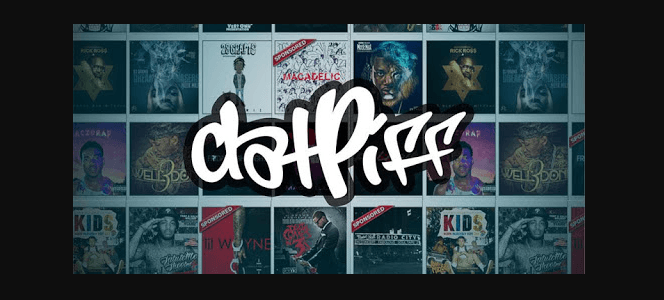
Think about the mixtape era in hip hop. Rappers would take existing beats from chart topping songs and record entire projects over them. They’d hand those tapes out on the street, upload them to DatPiff, share them everywhere. The original producers rarely sued because the rappers weren’t selling those tapes. The mixtapes were free. They were promotion. They were fan art with a microphone.
The same logic should apply here. Somebody making a Seedance 2.0 AI video of Brad Pitt fighting Tom Cruise for fun and posting it on X? That’s a mixtape. It’s fan expression. Nobody’s buying a ticket to watch it in a theater.
It crosses the line when somebody takes that technology and starts charging for it. Creating a fake trailer and profiting from the YouTube views. Selling AI generated content featuring actors who never consented. That’s when IP holders have every right to step in, and they should.
What the Seedance 2.0 Controversy Means for You
AI video generation is not going back in the box. Even Disney knows it, having already invested $1 billion in OpenAI’s Sora to control how the technology gets used in Hollywood.
Even after ByteDance added restrictions, other AI video tools like OpenAI’s Sora, Google’s Veo 2, and Runway Gen-3 will follow the same trajectory. Disney already invested a billion dollars in OpenAI earlier this year, which tells you even the studios know this technology is the future. They just want to control how it’s used.
The real question going forward isn’t whether people will make fan content with AI. They will. The question is whether the industry can draw a clear line between free creative expression and commercial exploitation. I think they can. The mixtape era proved it.
AI video tools are only going to get better from here. The sooner Hollywood figures out where the line is, the better for everyone.
Related reading: AI Video Creation Without a Camera | Disney’s $1 Billion OpenAI Sora Partnership | More AI News | New to AI? Start here
WHO WROTE THIS
Moses Smith. I write Everyday AI for people who aren’t engineers. I go try the tools, then tell you honestly whether they were worth it. Sometimes the answer is no, and that’s kind of the point.
This blog is free and has no ads. If it saved you some time, you can buy me a coffee.