
ℹ️ Quick Answer: Among the wildest things built with Claude Fable 5 in its first month: a playable rebuild of SimRefinery, a Maxis game lost since the early 1990s, an explorable 3D Hogwarts castle from a single prompt, a production writing tool finished in under 24 hours, and a family calendar dashboard running on a 77-inch TV.
📋 WHAT’S INSIDE
- What People Have Built With Claude Fable 5 (And Why It’s Different)
- A Lost 1990s Maxis Game, Rebuilt From Screenshots
- An Entire Hogwarts Castle From One Prompt
- The Writing Tool That Sat Broken for Five Months
- A Family Command Center on a 77-Inch TV
- The Ones That Almost Made the List
- The Honest Caveats
- Common Questions About Things Built With Claude Fable 5
Last updated July 11, 2026
A month ago I wrote up my first 24 hours with Claude Fable 5, and my main takeaway was that it plans and runs long projects like nothing I’d used before. Since then I’ve been collecting the wildest things other people have made with it, the way some people collect trading cards. Some of these made me laugh. One made me weirdly emotional, and I don’t even work in oil refining.
So today, four real projects built with Claude Fable 5 in its first month. No vaporware, no staged demos as far as I can tell, and every single one has a source you can click. A lost video game brought back from the dead, a flyable Hogwarts, a writing tool that embarrassed an older Claude model, and a family calendar running on a 77-inch TV.
What People Have Built With Claude Fable 5 (And Why It’s Different)

The common thread in these projects is autonomy. People hand Fable 5 one prompt or one messy old codebase, walk away, and come back to a finished thing. That’s the behavior Anthropic shipped on June 9, 2026, and it changed what one person can build in an afternoon.
Fable 5 is the first public model from Anthropic’s Mythos class, the tier that sits above Opus, and within 72 hours of launch one newsletter had already collected more than 25 community builds. The pattern across all of them is the same. One prompt in, whole thing out. People started calling it one-shotting, and the term stuck.
And it’s not just Anthropic fans saying this. Matt Shumer, who got early access to GPT-5.6 Sol, posted that Fable stayed better and more agentic for almost every task he tested. I compared the two models myself in my Sol vs Fable 5 breakdown, and the short version is they’re close on paper. The builds below are what “close on paper” looks like in the wild.
A Lost 1990s Maxis Game, Rebuilt From Screenshots
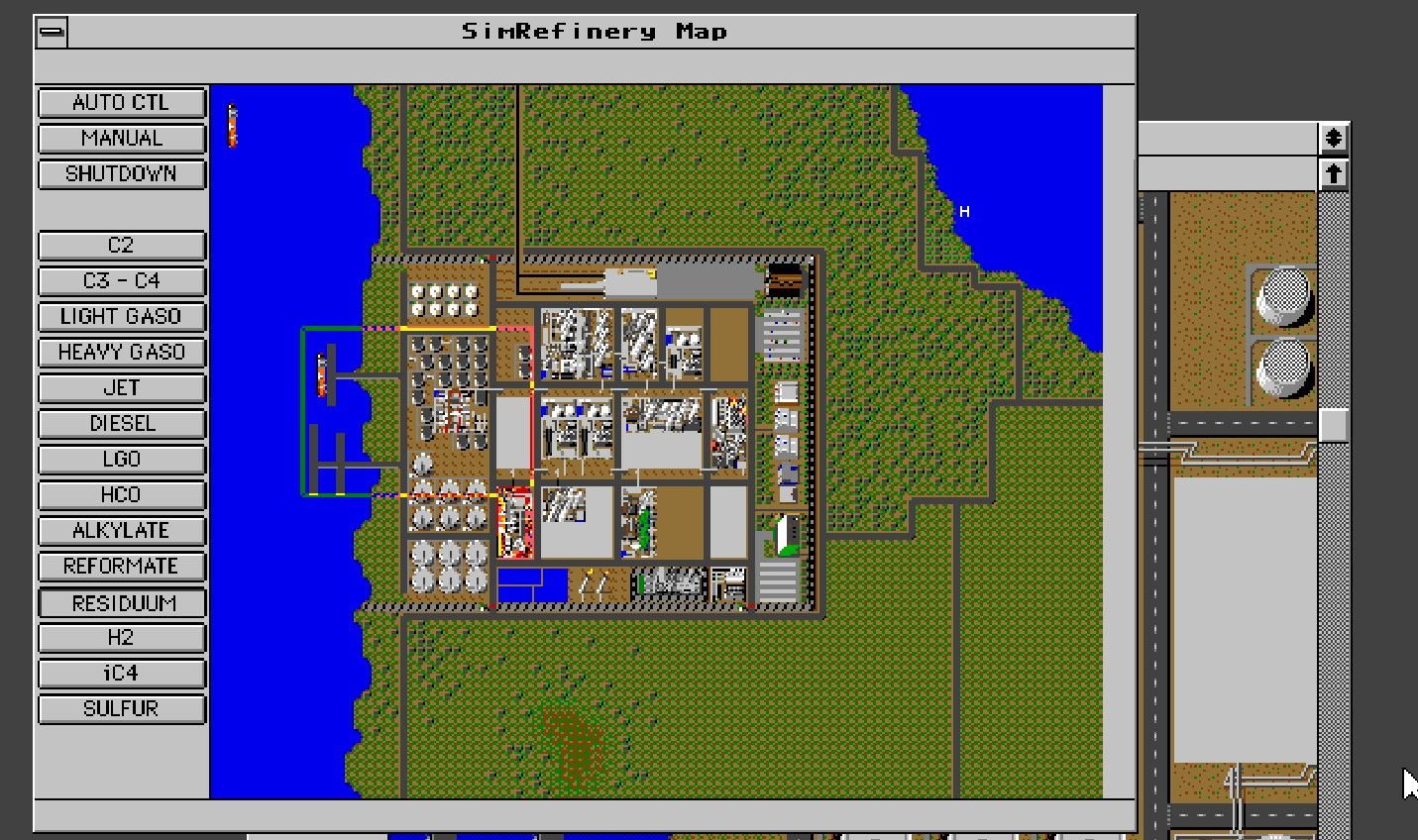
Wharton professor Ethan Mollick challenged Fable 5 to rebuild SimRefinery, a lost Maxis training simulation from the early 1990s, using only the surviving screenshots and documentation. The result is playable in your browser right now.
The backstory here is genuinely great. Maxis, the SimCity studio, built SimRefinery for Chevron to train employees on how an oil refinery works. It was never released to the public and was considered lost for decades, until a single floppy disk surfaced in 2020. Even then, what survived was incomplete. Mostly screenshots, documentation, and gaming-history folklore.
Mollick handed that folklore to Claude Code running Fable 5 and asked it to bring the game back. It produced a fully playable reconstruction, complete with an interactive learning mode the original never had. Software archaeology by prompt.
This one is my favorite because it’s not a party trick. Rebuilding software from incomplete evidence is exactly the kind of messy, underspecified project that used to fall apart after twenty rounds of back-and-forth. Fable just planned its way through the gaps.
An Entire Hogwarts Castle From One Prompt
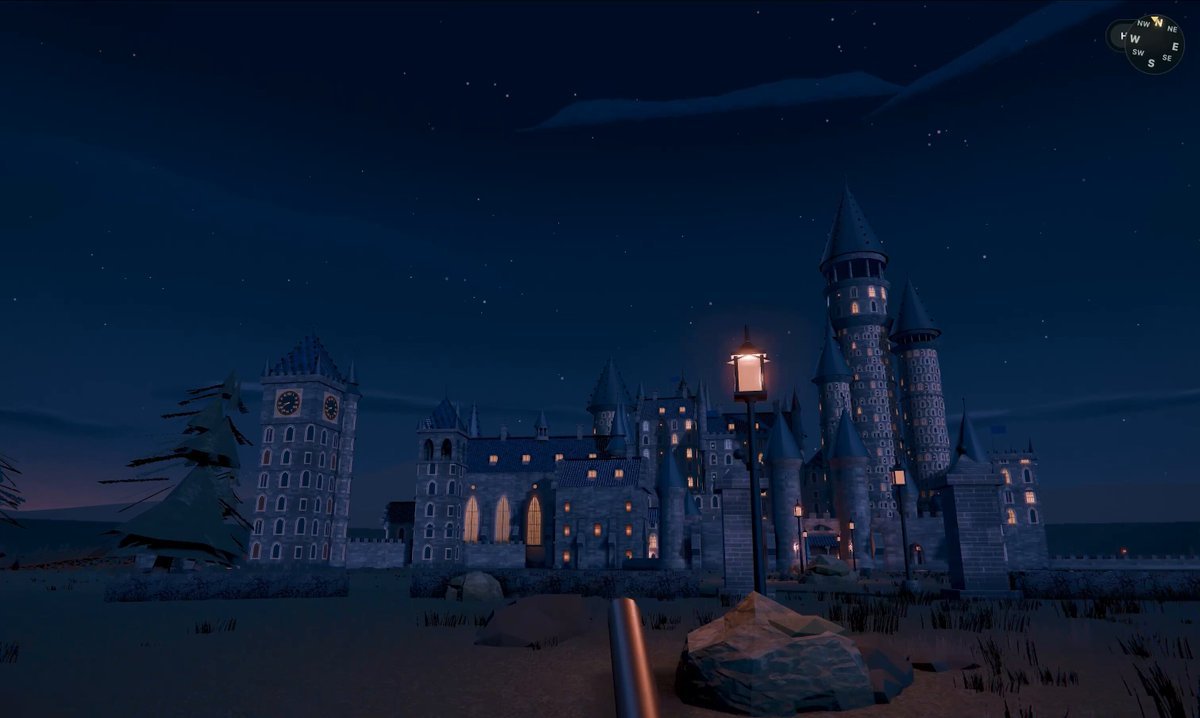
Developer Matt Shumer asked Fable 5 for a 3D Hogwarts castle and got a complete explorable build in one shot, with classrooms, the Great Hall, and the Quidditch pitch all in place.
His own words: “Fable one-shotted this ENTIRE Hogwarts castle.” He later posted a flyable version you can cruise through, and eventually a whole guide on how he prompts Fable to get builds like this.
The point isn’t wizards. The point is scope. A full explorable environment with dozens of distinct rooms used to be weeks of work for a hobbyist, and the model held the entire layout in its head from a single request. Nobody steered it room by room.
The Writing Tool That Sat Broken for Five Months
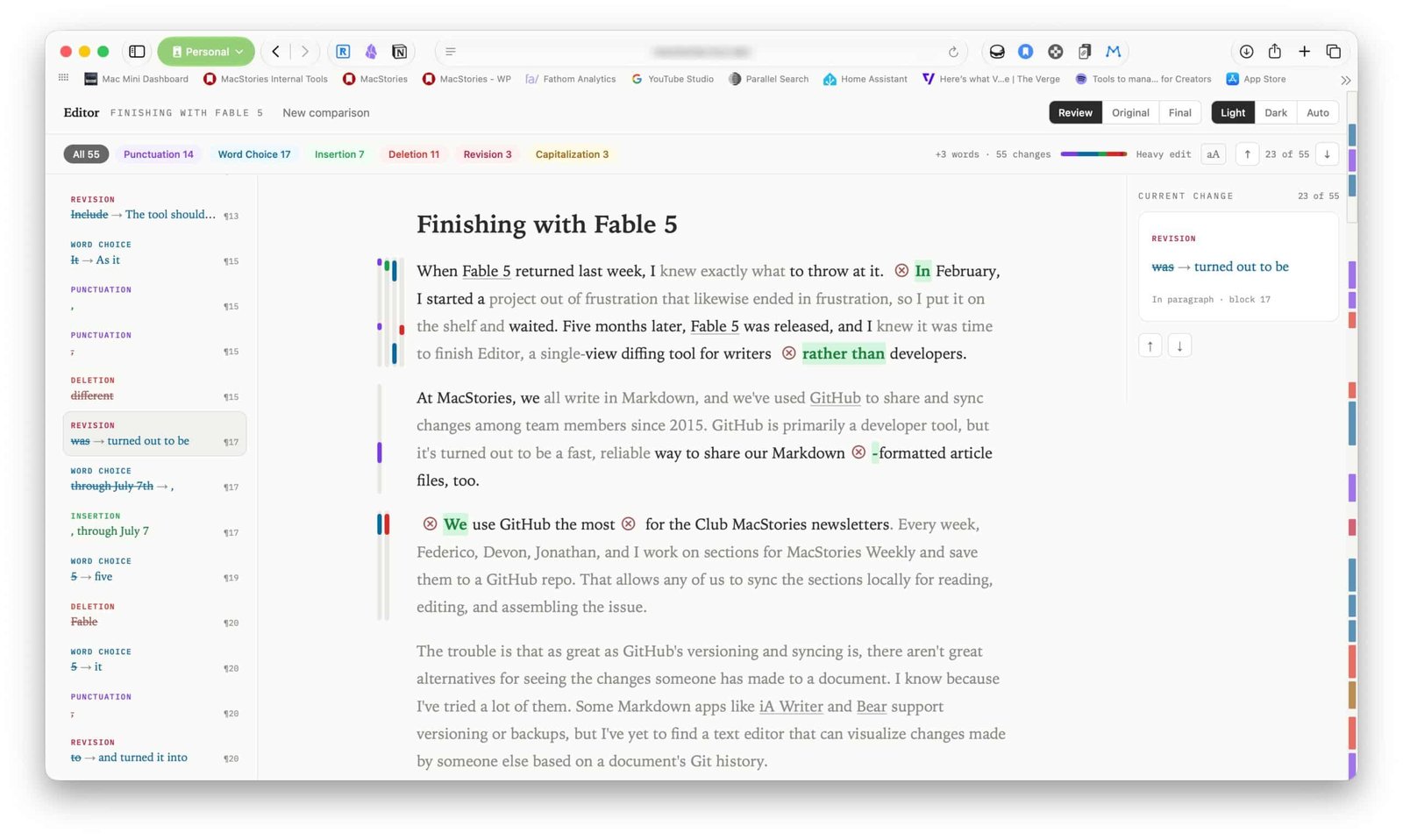
MacStories Managing Editor John Voorhees had a tool called Editor that Claude Opus 4.6 couldn’t get right back in February. Fable 5 took it from shelved prototype to production web app in under 24 hours.
Editor shows writers what changed between versions of a Markdown document, and it’s built for people who edit words, not code. You can filter changes by punctuation, word choice, insertions, and deletions, and there’s a color-coded side rail inspired by the London tube map for jumping around a long piece. It now runs on Vercel as part of the MacStories internal toolset.
What makes this one special is the controlled experiment hiding inside it. Same person, same idea, same requirements. In February, Voorhees writes, the Opus 4.6 prototype was a mess and got shelved for five months. In June, Fable 5 finished it in a day and he hit no roadblocks along the way. Most AI demos can’t give you a before-and-after that clean.
A Family Command Center on a 77-Inch TV
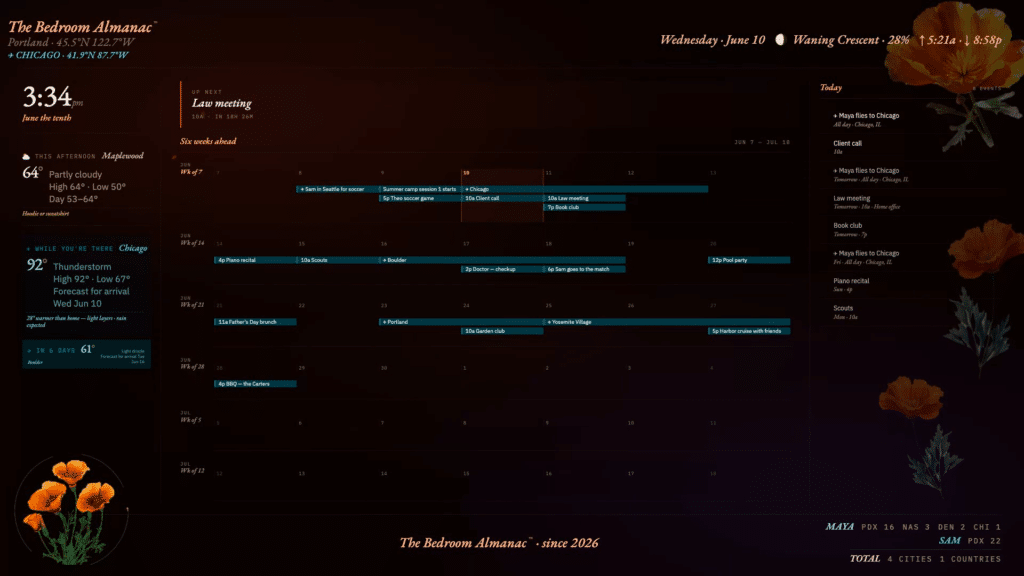
A Reddit user built a wall calendar dashboard for a 77-inch OLED display, then kept going and had Fable 5 make apps to control the family’s Sonos speakers and Spotify. Custom software, for one household, built in spare time.
I love the big flashy demos, but this is the one that matches what this blog is about. Nobody’s raising money here. Someone just wanted their family’s schedule glowing on the living room wall and their music controls in one place, and instead of buying three products that almost fit, they described what they wanted and got exactly that. The build was shared on Reddit and picked up in the same community roundup that’s been cataloging these projects.
A year ago, custom software for one family was an absurd idea. Now it’s a weekend. If you’ve never written code and this is the one that hooked you, my guide to building apps without coding is the gentle on-ramp.
The Ones That Almost Made the List
Narrowing to four was honestly the hardest part of writing this. A few more that deserve their moment, all from the sources above plus one dedicated write-up:
- Blogger Rafay ran Fable unattended and came back to two working 3D browser games, a space shooter called Nebula Strike and a SimCity-style builder, each from one prompt with zero fixes needed
- Ethan Mollick’s three one-prompt games, including a lantern-lit maze and a wandering game built on Rilke’s poetry
- A Minecraft-style world with biomes, caves, and a day-night cycle, built in about 20 minutes
- A working V8 engine CAD model in under 10 minutes, and a climate impact estimator called carboneye.app that guesses a product’s footprint from a photo
The Honest Caveats
Every project here is real and sourced, but they show Fable 5’s ceiling, not its everyday floor.
First, there’s survivorship bias baked into any list like this. You see the Hogwarts that worked. You don’t see the forty one-shots that came out as gray boxes, because nobody posts those. Second, a one-shot demo is not maintained software. Editor shipped because an experienced editor reviewed and deployed it, and the SimRefinery rebuild is a tribute, not a Chevron training product.
And third, the money. Fable 5 leaves Claude subscription allowances after July 12, 2026 and switches to usage credits, which I covered in my Sol vs Fable pricing breakdown. A castle one-shot is cheap fun. A five-month project rescue burns real tokens. Budget for the build you’re actually attempting.
Common Questions About Things Built With Claude Fable 5
What is Claude Fable 5?
Claude Fable 5 is Anthropic’s most powerful public AI model, released June 9, 2026, and the first from its Mythos class, a tier above Opus. Its signature ability is running long, multi-step projects autonomously, which is why so many one-prompt builds have come from it.
What have people actually built with Claude Fable 5?
Documented examples include a playable rebuild of the lost Maxis game SimRefinery, an explorable 3D Hogwarts castle from one prompt, MacStories’ Editor diffing tool for writers, a family wall dashboard with Sonos and Spotify controls, multiple 3D browser games, and a working V8 engine CAD model.
Can I build things with Claude Fable 5 without knowing how to code?
Yes. Most of these builds started as a plain-English description handed to Claude Code, and the model handled the technical work. Start with something small like a personal dashboard, and note that after July 12, 2026, Fable 5 requires usage credits on top of a Claude subscription.
Is Claude Fable 5 better than GPT-5.6 Sol for building projects?
Benchmarks put them nearly even, but builders lean Fable for autonomous one-shot projects. Matt Shumer, who had early GPT-5.6 Sol access, reported Fable stayed better and more agentic for almost every task he tested. Sol is far cheaper to run, so try both on your own idea.
I keep a running note of these builds now, and it’s honestly the most fun file on my computer. If you make something with Fable 5, even something small and slightly dumb, send it my way. Especially if it’s small and slightly dumb.
Related reading: Claude Fable 5 Hands On | GPT-5.6 Sol vs Claude Fable 5 | New to AI? Start here
WHO WROTE THIS
Moses Smith. I write Everyday AI for people who aren’t engineers. I go try the tools, then tell you honestly whether they were worth it. Sometimes the answer is no, and that’s kind of the point.
This blog is free and has no ads. If it saved you some time, you can buy me a coffee.









Leave a Reply