AI influencers are computer-generated personas earning millions on Instagram and TikTok through brand deals with Prada, Calvin Klein, and Samsung. They function like CGI characters in movies, applied to social media instead of cinema. With proper labeling, they are entertainment. Without it, they are deception.
📋 WHAT’S INSIDE
- The CGI Argument Nobody’s Making About AI Influencers
- Who Are the Biggest AI Influencers Right Now?
- Why Brands Love AI Influencers
- The Honest Problems With AI Influencers
- The Labeling Solution for AI Influencers
- My Take: Entertainment Is Entertainment
- Common Questions About AI Influencers
- What This Means for You
AI influencers are taking over Instagram, and honestly? I don’t see what the fuss is about.
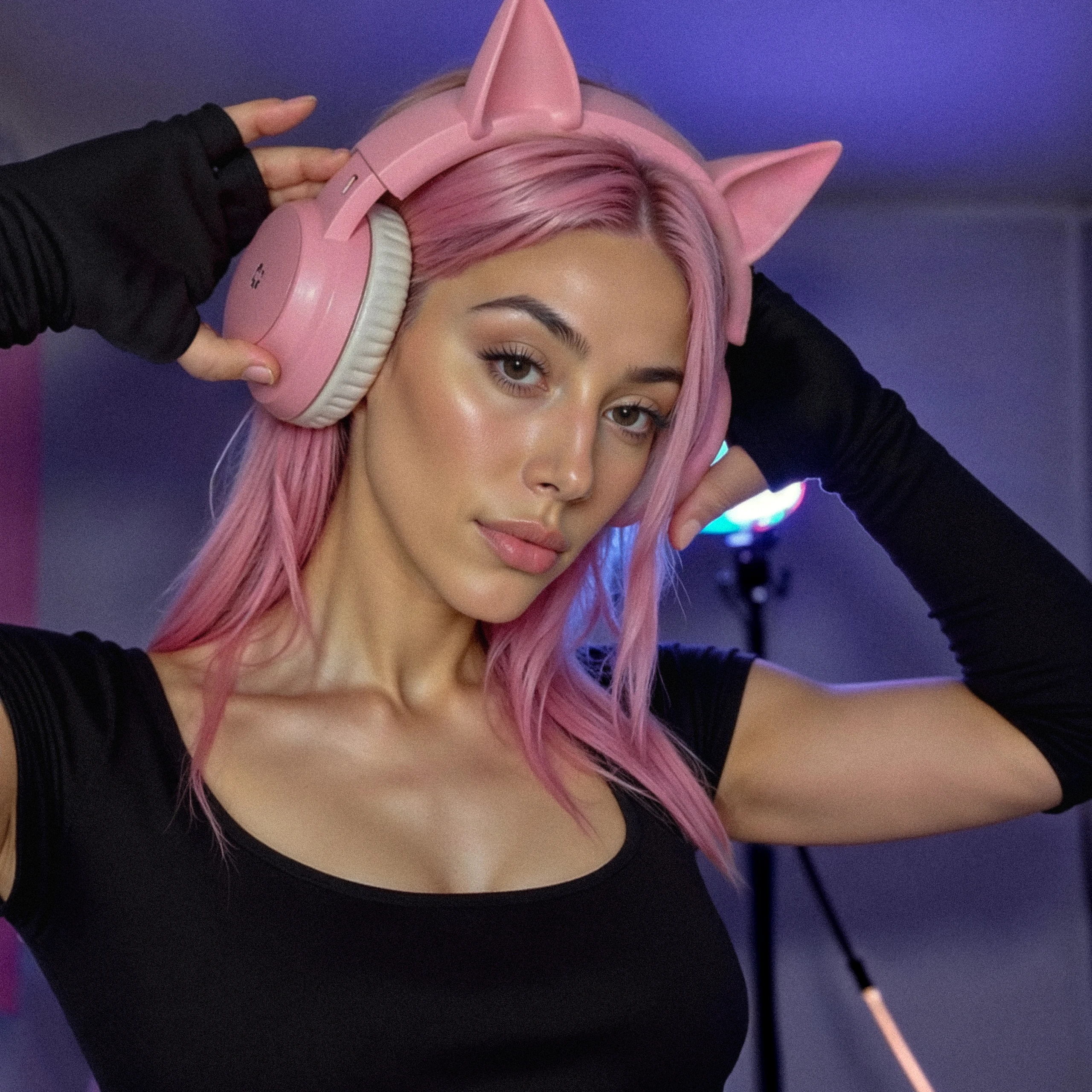
A 25-year-old pink-haired fitness model from Barcelona named Aitana Lopez has 326,000 Instagram followers. She posts selfies, promotes brands, and earns over 10,000 euros per month. Oh, and she doesn’t exist. She’s entirely AI-generated by The Clueless agency, and celebrities have apparently tried to ask her out without realizing she’s not real.
Meanwhile, Lil Miquela, a “21-year-old robot living in LA,” has 2.5 million followers and reportedly makes $10 million a year working with Prada, Calvin Klein, and Samsung. TIME magazine named her one of the 25 most influential people on the internet alongside Rihanna and BTS.
People are freaking out about this. “It’s deceptive!” “It’s the end of authenticity!” “How can we trust anything anymore?”
My take. AI influencers are just CGI for social media. And we’ve been completely fine with CGI in movies for decades.
The CGI Argument Nobody’s Making About AI Influencers
AI influencers are functionally identical to the CGI characters we’ve accepted in movies for decades. Nobody calls Gollum or the Avatars “deceptive” because we understand the fiction. The only difference is the medium shifted from cinema screens to Instagram feeds.
Think about this for a second.
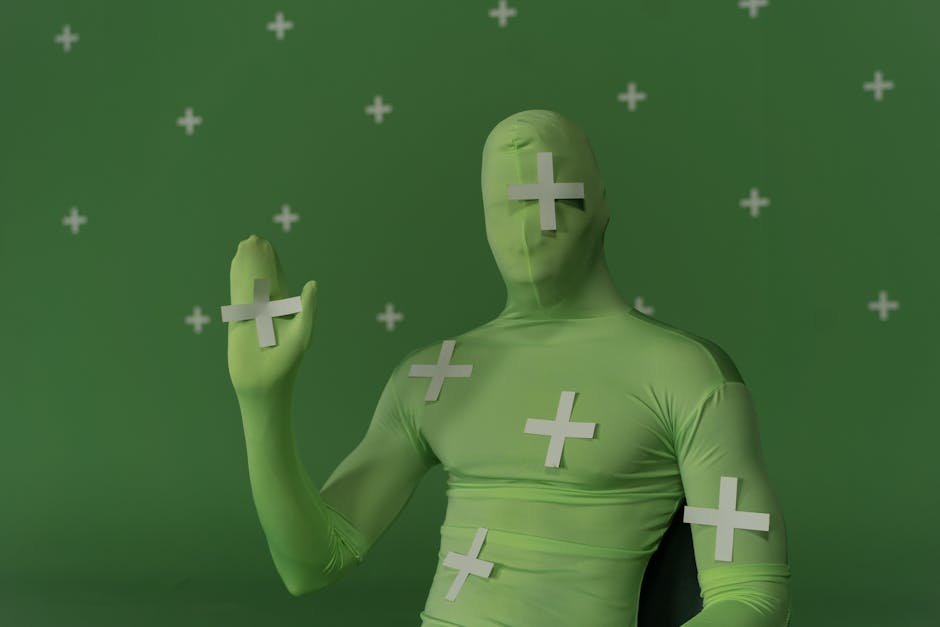
When you watch James Cameron’s Avatar, you know those blue aliens aren’t real. When Iron Man flies through New York, you know Robert Downey Jr. isn’t actually in a metal suit. When Gollum obsesses over his “precious,” you know Andy Serkis is behind the performance, but the character on screen is computer-generated.
Does any of that make the entertainment less valid? Does it make you feel deceived?
Of course not. CGI is a tool. It creates experiences that wouldn’t be possible otherwise. And we accept it because we know what we’re looking at.
AI influencers are the same thing, just applied to social media instead of movies.
The key phrase there is “we know what we’re looking at.” That’s where the real conversation should be. Not whether AI influencers should exist, but whether they’re clearly labeled.
Who Are the Biggest AI Influencers Right Now?
The virtual influencer market is now worth $4.6 billion and growing at 26% annually. Here are the biggest names you should know.
Lu do Magalu: The $2.5 Million AI Influencer
Created by Brazilian retail giant Magazine Luiza back in 2007 (before most people knew what an influencer was), Lu has 7.8 million Instagram followers. She earned an estimated $2.5 million last year through 74 sponsored posts. That’s over $33,000 per post.
Lu is the brand’s virtual spokesperson, promoting products, offering styling tips, and chatting with customers. She’s basically a mascot with a social media presence.
Lil Miquela: The AI Influencer Who Started It All
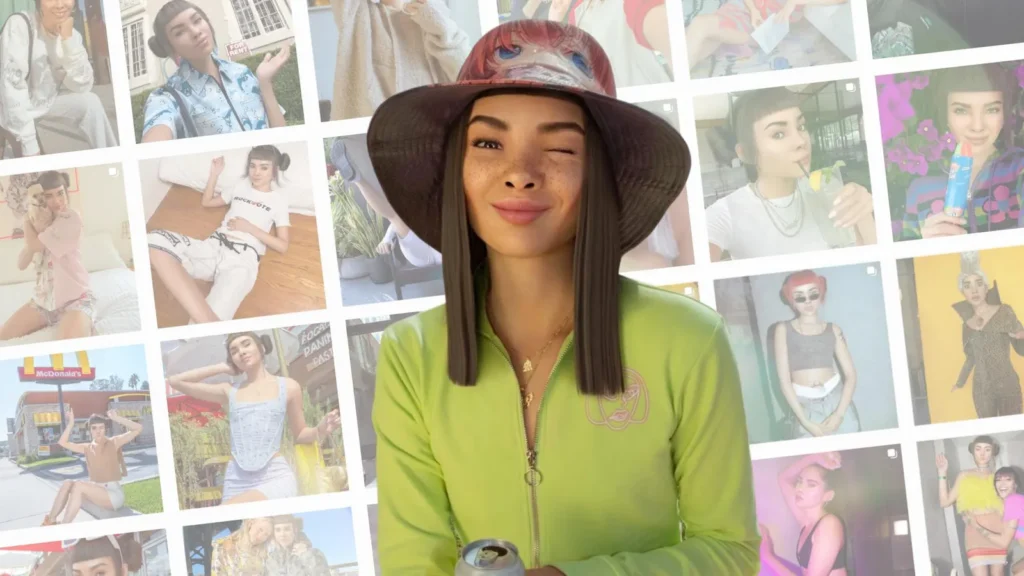
Miquela Sousa appeared on Instagram in 2016 and quickly became the face of the virtual influencer industry. Created by LA startup Brud (later acquired for $125 million), she defined what a digital celebrity could be.
She posts about social issues, AI identity, and digital creativity. She’s worked with Calvin Klein, Prada, and Samsung. She even has a music career with songs on Spotify.
She’s also sparked serious controversy. In one vlog, Miquela described a “sexual assault encounter,” prompting singer Kehlani to comment. “you’re playing wit real stories… real trauma.” It raised real questions about whether a fictional character should engage with serious human experiences.
Aitana Lopez: Spain’s First AI Model
Aitana was created by The Clueless agency specifically to avoid the “unpredictability and costs of human influencers.” Pink hair, fitness content, fashion partnerships with Olaplex and Intimissimi.
She reportedly earns up to 10,000 euros per month. And she never has a bad day, never posts something embarrassing at 2 AM, and never gets caught in a scandal. That’s the appeal for brands.
Imma: The Virtual TED Speaker
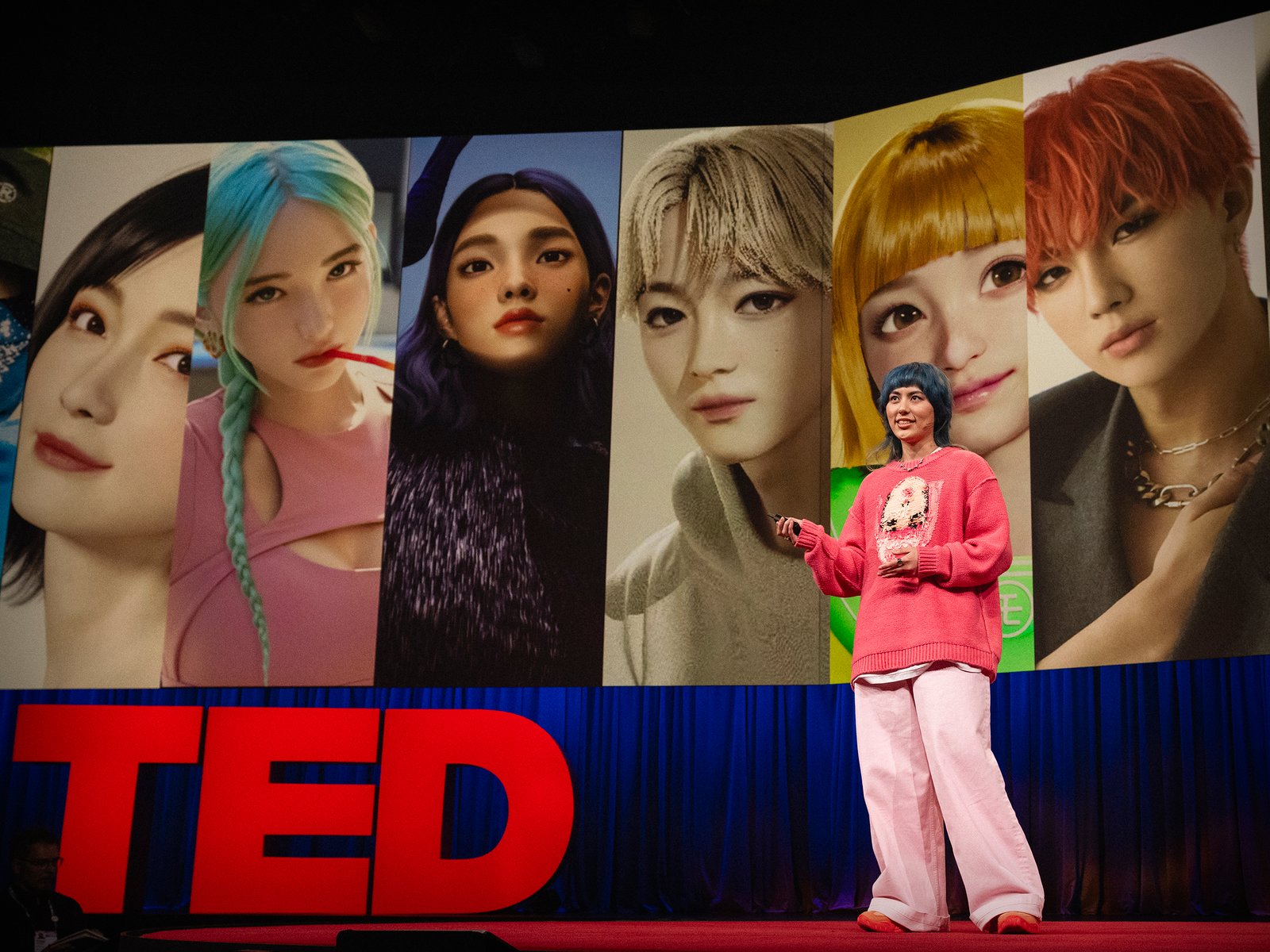
This Japanese digital persona has worked with Nike, Porsche, Valentino, Coach, and Fendi. She’s appeared in Vogue Japan, collaborated with IKEA, and gave an actual TED Talk in Vancouver in 2024 alongside her human creator.
Imma brings in over $600,000 per year.
Why Brands Love AI Influencers
Brands pay AI influencers $1,700 to $4,000 per post (versus $8,000+ for humans with similar followings) because virtual creators never have scandals, never age, speak any language, can “travel” anywhere instantly, and produce content around the clock.
From a brand’s perspective, the appeal is obvious.
No scandals. A human influencer might tweet something offensive, get arrested, or have their old posts resurface. An AI influencer does exactly what it’s programmed to do.
Lower costs. A human creator with a million followers might charge $8,000 or more for a single campaign. An AI influencer can charge as little as $4,000. Half the price, content delivered on schedule.
Total flexibility. Virtual influencers never age, can speak any language, and can “travel” to any location. Need your influencer in Tokyo today and Paris tomorrow? Done.
Always available. They don’t sleep, don’t take vacations, and don’t have personal emergencies. Content production never stops.
The Honest Problems With AI Influencers
The real concerns include the authenticity gap (AI can’t actually use the products it promotes), representation issues (like the Shudu controversy where a white creator designed a Black virtual model), reinforcement of unrealistic beauty standards, and Sprout Social data showing only 23% of consumers are comfortable with AI influencers.
I’m making the CGI comparison because I believe it’s a useful frame. But that doesn’t mean AI influencers are problem-free. There are real concerns worth talking about.
The Authenticity Question
An AI influencer doesn’t actually use the products they promote. Aitana Lopez can pose with skincare, but she can’t tell you how it feels on her skin. Because she doesn’t have skin.
For brands that rely on personal experience and real reviews, this is a real limitation. You’re watching a very sophisticated advertisement pretending to be a recommendation.
Representation Without Representation
Shudu is a virtual model portrayed as a high-fashion Black woman. She was designed by Cameron-James Wilson, a white creator, to represent “idealized beauty.”
This raises uncomfortable questions. Is a digital Black model created by a white person representation? Or is it appropriation? Does it take opportunities from real Black models? These aren’t easy questions, and the industry hasn’t figured out good answers yet.
Meta faced similar backlash when they launched AI-generated accounts including “Liv,” who identified as a Black queer mother. When it came out that no Black creators were involved in her design, the criticism was swift and harsh.
Unrealistic Beauty Standards
Many AI influencers are designed to be physically “perfect” in ways no human can achieve. They don’t have pores, they don’t have bad angles, they don’t have imperfections.
Research has shown that exposure to idealized images affects how people, especially young people, view their own bodies. When the “influencer” is literally designed to be flawless, that problem potentially gets worse.
Consumer Trust Is Split
According to Sprout Social’s 2025 survey, 46% of consumers are uncomfortable with brands using AI influencers. Only 23% said they’re comfortable with it.
Among those surveyed, 37% expressed interest in brands using AI influencers, rising to 46% among Gen Z. And 27% across all generations said they couldn’t tell the difference between AI and human influencers anyway.
The Labeling Solution for AI Influencers
Regulators are catching up. Meta requires AI content labeling since early 2024, the EU AI Act mandates disclosure since August 2024, the FTC updated guidelines in March 2025, and Instagram is testing “Virtual Creator” verification badges. With proper labeling, AI influencers become entertainment. Without it, they’re deception.
The reason we’re fine with CGI in movies is because we know what we’re watching. Nobody thinks the dinosaurs in Jurassic Park are real. The fiction is part of the entertainment.
AI influencers need the same clarity. And regulators are starting to require it.
- Since early 2024, Meta requires AI-generated content labeling across Instagram, Facebook, and Threads
- The EU’s AI Act (August 2024) requires AI-generated content to be clearly labeled
- In March 2025, the FTC updated guidelines requiring “clear and conspicuous disclosure” that virtual influencers are not real people
- Instagram is testing “Virtual Creator” verification badges to help identify AI influencers
Transparency is the whole ballgame. AI influencers with clear labeling are entertainment. Without it, they’re deception. Check bios and look for “Virtual Creator” badges before taking recommendations seriously.
With proper labeling, AI influencers become what they should be. Entertainment and a new kind of digital art.
Without labeling, they’re deception.
My Take: Entertainment Is Entertainment
I understand why people are uncomfortable. Something feels different when the “person” you’re following doesn’t exist. It challenges our assumptions about connection and authenticity online.
But I keep coming back to this. Nobody complains that Pixar movies are “fake” because they’re animated. Nobody feels deceived that video game characters aren’t real. We accept fictional characters in every other medium.
Social media is just another medium. And AI influencers are just another form of creative fiction within it.
The questions that matter are.
- Is it clearly labeled? Do you know you’re looking at AI?
- Is it entertaining or useful? Does it provide value?
- Is it harmful? Does it spread misinformation or exploit people?
If an AI influencer is transparent about being AI, provides entertainment or interesting content, and doesn’t cause harm, I don’t see the problem. It’s CGI for social media. And CGI gave us some of the best movies ever made.
Common Questions About AI Influencers
How much money do AI influencers make?
The top AI influencers earn millions. Lu do Magalu reportedly made $2.5 million last year. Lil Miquela is rumored to make $10 million annually. Smaller AI influencers can charge $1,700 to $4,000 per sponsored post, compared to $8,000+ for human influencers with similar followings.
Can you tell if an influencer is AI?
Sometimes yes, sometimes no. Some AI influencers are deliberately stylized (like Noonoouri’s cartoon aesthetic). Others like Aitana Lopez are designed to look hyperrealistic. Instagram is testing “Virtual Creator” badges, and platforms increasingly require disclosure. When in doubt, check the bio.
Are AI influencers legal?
Yes, but regulations are tightening. The EU’s AI Act, FTC guidelines, and platform policies all require clear disclosure that AI influencers are not real people. As long as they’re properly labeled, they operate legally.
Will AI influencers replace human influencers?
Unlikely. They’ll coexist. AI influencers work well for certain brand campaigns (fashion, lifestyle, fantasy content). Human influencers still have the edge for authentic reviews, personal stories, and building real community connections. The market is growing for both.
What This Means for You
If you’re scrolling Instagram and see a perfectly polished influencer promoting something, check if they’re real. Not because AI influencers are bad, but because you deserve to know what you’re looking at.
And if they are AI? Enjoy the content for what it is. Digital art and creative fiction for your feed.
Just like you enjoy Avatar without demanding that blue aliens exist in real life.
Related reading: How AI Misinformation Spreads | Latest AI News | New to AI? Start here
WHO WROTE THIS
Moses Smith. I write Everyday AI for people who aren’t engineers. I go try the tools, then tell you honestly whether they were worth it. Sometimes the answer is no, and that’s kind of the point.
This blog is free and has no ads. If it saved you some time, you can buy me a coffee.