
I asked ChatGPT to edit a photo last month. It added a third arm to my subject and changed her face entirely.
That’s not happening anymore.
ChatGPT image generation just got a major upgrade with GPT Image 1.5. After testing it this week, I can confirm: images generate 4x faster, text actually looks like text, and photo edits finally preserve the stuff you didn’t ask to change.
The quick answer: The new model is available to all ChatGPT users, including free accounts. It generates images in about 5 seconds instead of 20, handles text rendering that doesn’t look like gibberish, and keeps facial features recognizable when you edit photos. If you’ve tried ChatGPT for images before and gave up, it’s worth trying again.
Here’s what actually changed and why it matters for non-designers.

What’s New with ChatGPT Image Generation
OpenAI’s GPT Image 1.5 generates images up to 4x faster than the previous model while preserving facial features, lighting, and composition during photo edits.
The headline improvements are speed and precision. OpenAI claims images now generate up to 4x faster than before. In my testing, that checks out. What used to take 15-20 seconds now happens in about 5. You can also generate multiple images simultaneously without waiting for each one to finish.
But the bigger deal is how the model handles edits. When you upload a photo and ask for changes, GPT Image 1.5 now preserves the things you didn’t ask it to change. Lighting stays consistent. Facial features remain recognizable. The composition holds together. This was a major weakness of the previous version.
OpenAI describes it as turning ChatGPT into “a creative studio in your pocket.” That’s marketing speak, but it’s not entirely wrong. The gap between what you can do with professional tools and what you can do by just describing what you want is shrinking fast.
ChatGPT Image Generation Now Handles Text Properly
GPT Image 1.5 can render readable text on signs, product packaging, and infographics, fixing the “COFFE SHPO” gibberish problem that plagued earlier AI image generators including DALL-E 3.
If you’ve ever tried to generate an image with text in it, you know the pain. Previous AI image generators would produce gibberish that looked vaguely like letters. Signs would say “COFFE SHPO” instead of “COFFEE SHOP.” Posters would have words that started correctly and devolved into nonsense.
GPT Image 1.5 takes a genuine step forward here. It can now render denser, smaller text with reasonable accuracy. OpenAI showed examples of it generating fake newspaper articles, infographics with multiple data points, and product packaging with readable labels.
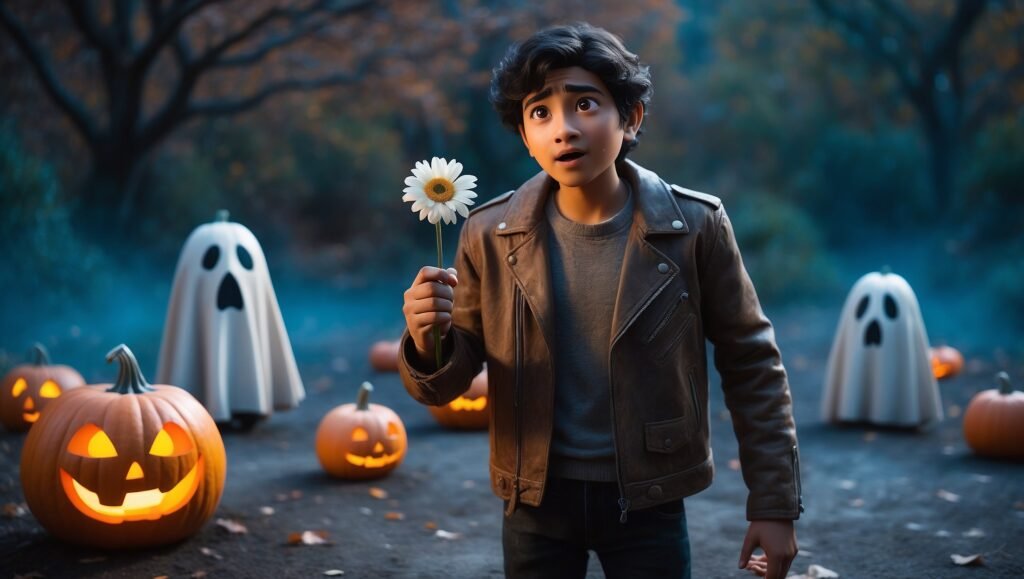
Is it perfect? No. Complex layouts still trip it up sometimes. But it’s noticeably better than anything we had before. For creating quick social media graphics, mockups, or concept art with text elements, this is a real improvement.
The New Images Feature in ChatGPT
OpenAI added a dedicated “Images” section in ChatGPT’s sidebar with preset filters, trending prompts, and a “likeness upload” feature that remembers your face for future generations.
Beyond the model upgrade, OpenAI also added a dedicated “Images” section to ChatGPT. You’ll find it in the sidebar on both mobile and web. This isn’t just a shortcut to image generation. It includes preset filters and trending prompts to help you get started without having to write detailed descriptions from scratch.
There’s also a new “likeness upload” feature. You can upload a photo of yourself once, and ChatGPT will remember your appearance for future image generations. No more digging through your camera roll every time you want to see yourself in a different setting or style.
The preset styles include things like movie posters, fashion ads, ornaments, and various artistic transformations. Think of it like Instagram filters, but with AI that actually understands composition and can add relevant elements rather than just slapping a color grade on top.
Who Gets Access to ChatGPT Image Generation Updates
GPT Image 1.5 is available to all ChatGPT users including free accounts, with paid Plus and Pro subscribers getting higher generation limits and priority access during peak times.
The new GPT Image 1.5 model is rolling out to all ChatGPT users, including those on the free tier. You don’t need to select anything special. It just works across the platform now.
ℹ️ Unlike many AI features that stay locked behind paywalls, GPT Image 1.5 is available to everyone, including free ChatGPT accounts. Paid users get higher generation limits and priority during peak times.
The dedicated Images experience in the sidebar is also available to most users, though Business and Enterprise accounts will get access later. OpenAI didn’t specify exactly when.
For developers, the model is available in the API as “GPT Image 1.5.” OpenAI also dropped the price: image inputs and outputs are now 20% cheaper than the previous version. Companies like Wix, Canva, Figma, and Envato are already using it in their products.
What ChatGPT Image Generation Still Gets Wrong
OpenAI acknowledges GPT Image 1.5 still struggles with multiple faces in one image, mixed artistic styles, multilingual text rendering, and scientific diagram accuracy (around 70%).
OpenAI was surprisingly honest about limitations in their announcement. While the new model shows “clear improvements across a range of cases,” they admit “results remain imperfect” and there’s “significant room for improvement.”
Specific weaknesses they acknowledged:
- Multiple faces in one image still cause problems. The model can struggle with consistency when generating several people.
- Different artistic styles don’t always blend well. Asking for mixed styles (like “half realistic, half cartoon”) can produce inconsistent results.
- Multilingual text is weaker than English. Non-Latin scripts especially can still come out garbled.
- Scientific accuracy in complex diagrams improved but still hits about 70% accuracy according to OpenAI’s testing.
If you’re doing professional work that requires precision, you’ll still want to verify outputs carefully. This is a creative tool, not a replacement for professional designers or accurate technical illustration.
Practical Ways to Use the New ChatGPT Image Generation
The best practical uses for GPT Image 1.5 right now are photo touch-ups, social media graphics, product mockups, and marketing material drafts where speed matters more than pixel-perfect precision.
Based on what the model does well now, here are some practical applications:
Photo touch-ups. Remove objects, change backgrounds, adjust lighting. The preservation improvements mean your subject stays recognizable.
Social media content. Quick graphics for posts, stories, or thumbnails. The text rendering improvements make this more viable.
Product mockups. See how your logo might look on merchandise, or visualize product variations without a photo shoot.
Creative exploration. Try different styles, see yourself in various scenarios, or generate concept art for projects.
Marketing materials. Draft versions of ads, posters, or promotional images before investing in professional production.
Hardware That Enhances AI Image Workflows
While ChatGPT handles the generation, the right hardware can make refining and working with AI images much easier. If you’re serious about creating or editing images, a drawing tablet lets you sketch ideas before prompting or refine AI outputs with precision.
The Wacom Intuos is the go-to starter tablet for digital art. It connects to any computer and gives you pen-level control that a mouse can’t match. Perfect for touching up AI-generated images or sketching reference images to describe to ChatGPT.
For a more portable setup, the iPad Air with an Apple Pencil Pro gives you a complete creative studio. Apps like Procreate combine beautifully with AI-generated images, letting you add finishing touches or combine multiple outputs.
Common Questions About ChatGPT Image Generation
Is the new ChatGPT image generation free?
Yes, GPT Image 1.5 is available to all ChatGPT users including free accounts. However, free users have generation limits. Paid plans (Plus, Pro, Team) get higher limits and priority access during peak times.
How is this different from DALL-E?
GPT Image 1.5 is built on top of OpenAI’s image generation technology, which includes learnings from DALL-E. The key difference is integration: this works directly within ChatGPT conversations, understands context from your chat, and can be refined through natural dialogue rather than isolated prompts.
Can I use ChatGPT-generated images commercially?
According to OpenAI’s terms, you own the images you create and can use them commercially. However, you’re responsible for ensuring you have rights to any images you upload for editing, and you should check that outputs don’t infringe on trademarks or copyrights.
What happened to the old ChatGPT Images?
The previous version remains available as a custom GPT for users who prefer it. But the default image generation in ChatGPT now uses GPT Image 1.5 automatically.
The Bottom Line
GPT Image 1.5 makes ChatGPT genuinely useful for visual tasks by combining 4x speed gains with edit precision that finally preserves what matters in your original photos.
This update makes ChatGPT meaningfully more useful for visual tasks. The speed improvements alone change how you interact with it. Instead of waiting and hoping each generation works, you can iterate quickly, try variations, and actually explore ideas without frustration.
The precision improvements matter too. Being able to edit photos without destroying what made them worth editing in the first place opens up practical use cases that weren’t really viable before.
Is this going to replace professional designers or photographers? No. But for quick visual tasks, social content, mockups, and creative exploration, the bar for what you can accomplish with a text description just got meaningfully higher.
Related Reading
- Disney Sora Partnership: What the $1B Deal Means for AI Video
- OpenAI Launches GPT-5.2: What “Code Red” Means and Why You Should Care
- How to Create a Website with AI That Actually Looks Good
- New to AI? Start Here
This post contains affiliate links. If you buy something through these links, I may earn a small commission at no extra cost to you.


Leave a Reply