ℹ️ Quick Answer: Vibe coded apps are generating real money. Plinq, a women’s safety app built by a non-coder using Lovable, hit $456K in annual revenue. Pieter Levels built a flight simulator in 3 hours that now makes $12K/month. These aren’t prototypes. They’re products people pay for and use daily.
📋 WHAT’S INSIDE
- Plinq: A Women’s Safety App Making $456K/Year
- Fly: The Vibe Coded Flight Simulator Elon Musk Endorsed
- ChatIQ: A B2B SaaS With 11,000 Users
- Vibe Sail: A Chill Sailing Game Making $96K/Year
- Illustration.app: College Dropout to Profitable SaaS
- What These Vibe Coded Apps Have in Common
- Is It Still AI Slop?
Update, August 2026: Vibe coding keeps growing. Lovable tripled its valuation to $6.6 billion, and if you want to build something yourself, our no-code starter guide is the place to begin.
Every week on Reddit I see the same debate. Someone posts “I vibe coded this app” and the comments split into two camps. Half the people are impressed. The other half call it AI slop and say it’ll break the moment a real user touches it.
I wanted to find out who’s right. So I dug into the vibe coded apps that are actually generating revenue and attracting real users. Not demos. Not weekend projects. Products that people pay money to use.
The results surprised me.
1. Plinq: A Women’s Safety App Making $456K/Year
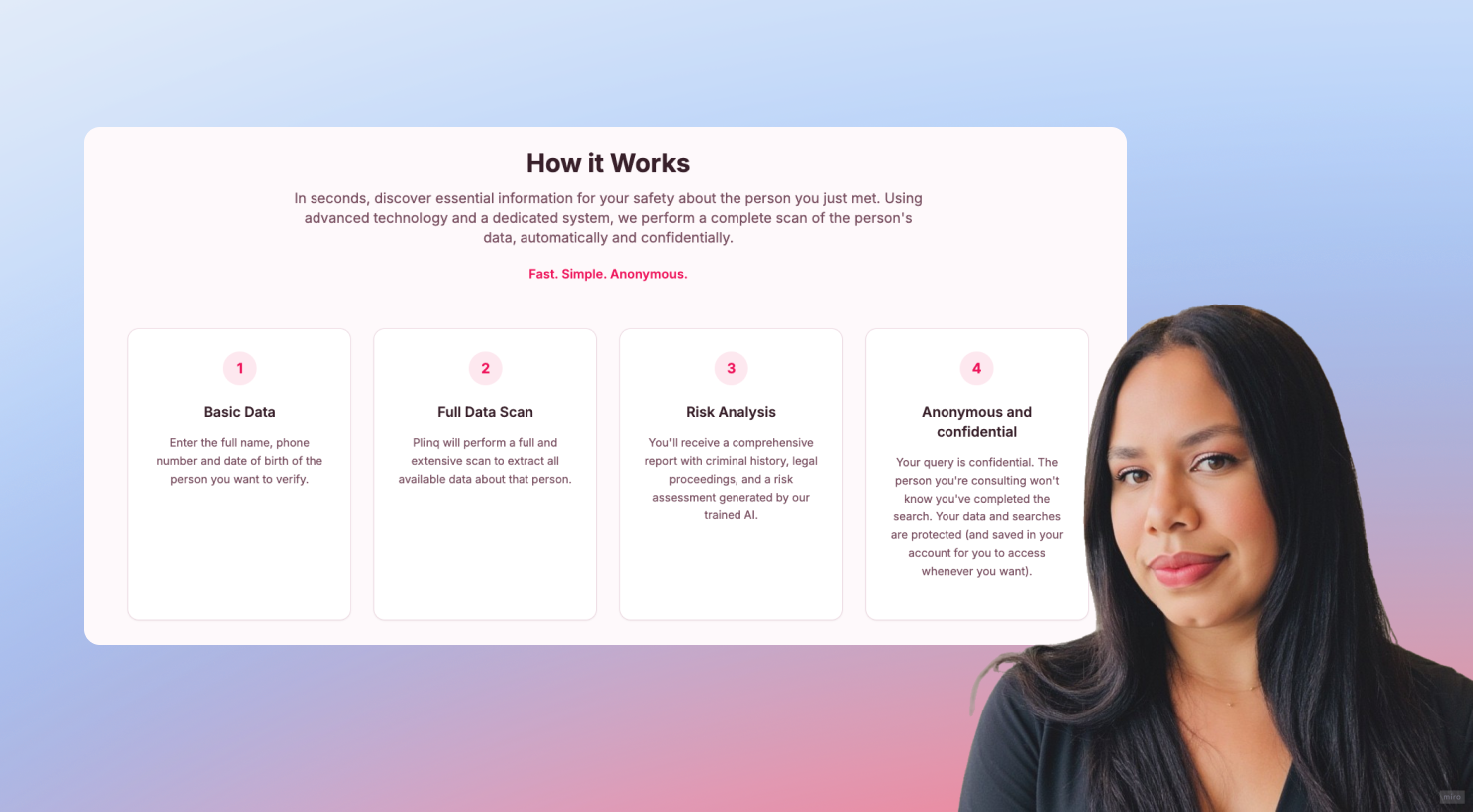
Sabrine Matos, a growth marketer in Brazil with zero coding experience, used Lovable to build Plinq in 45 days. It now has over 10,000 users and $456K in annual recurring revenue from background checks on potential dates.
This is the one that changed my mind about what vibe coding can do.
Sabrine Matos is a growth marketer in Brazil with no coding background. After learning that a woman was murdered by a partner who had a violent criminal record she never knew about, Matos decided to build something about it. In a country where 37.5% of women experience some form of violence each year, the problem was urgent.
She built Plinq using Lovable in 45 days. The app lets women run background checks on potential dates against public criminal records. It includes risk scoring, a panic button that sends your location to emergency contacts, and a safety content feed.
The numbers: over 10,000 users, $456,000 in annual recurring revenue, and more than 200 potentially dangerous situations identified and avoided. Matos is now raising a Pre-Seed round and expanding internationally.
Try calling that AI slop.
2. Fly: The Vibe Coded Flight Simulator Elon Musk Endorsed
Indie builder Pieter Levels used Cursor AI to build a multiplayer browser flight simulator in 3 hours. After Elon Musk endorsed it on X, Fly now earns $12,000/month through in-game purchases and advertising.
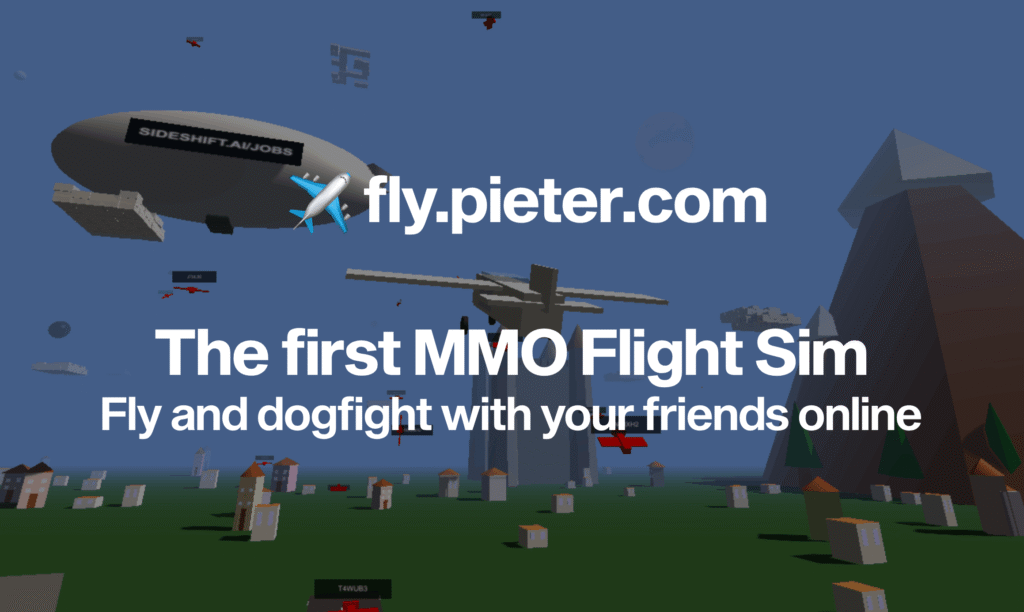
Pieter Levels is probably the most famous indie builder on the internet. He built a multiplayer flight simulator called Fly using Cursor AI with about 90% of the code generated by AI. The initial prototype took 3 hours.
Three hours. For a multiplayer 3D game that runs in your browser.
The game went viral after Elon Musk endorsed it on X. It’s now pulling in $12,000 per month through in-game purchases (a virtual F-16 costs $29.99) and advertising. Built with Three.js, JavaScript, and WebSockets, all generated through prompts in Cursor.
Levels also organized the first Vibe Coding Game Jam in 2025, which kicked off an entire community of AI-built games.
3. ChatIQ: A B2B SaaS With 11,000 Users
Non technical founder Sebastian Volkis built ChatIQ (an AI customer support chatbot) using Claude and GPT-4, reaching 11,000 users and $2,000 MRR. His second product TrendFeed hit $10,000 MRR in its first month.
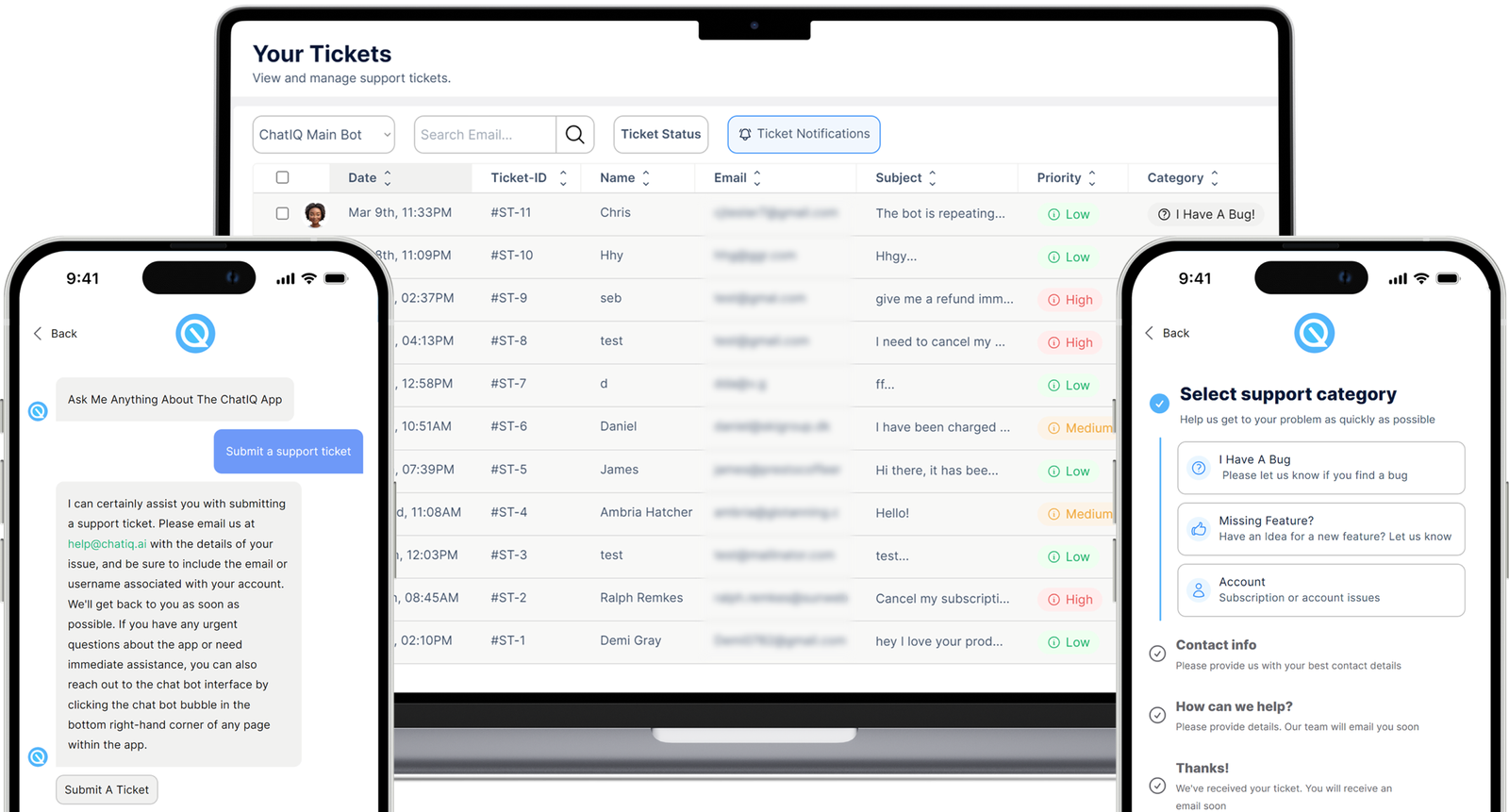
Not every vibe coded app is a game or consumer product. Sebastian Volkis, a non-technical founder in London, built ChatIQ, an AI customer support chatbot and ticketing system that trains on your business data.
About 80% of the code was generated by AI using Claude and GPT-4. The product now has over 11,000 users and generates $2,000 in monthly recurring revenue. Volkis also built TrendFeed, an AI content discovery platform, which hit $10,000 MRR within its first month.
Volkis has never written production code in his life. He’s a business guy who spotted gaps in B2B customer support and used AI to fill them. Two profitable products, zero engineering background.
4. Vibe Sail: A Chill Sailing Game Making $96K/Year
Nicola Manzini had just 3,300 X followers when he launched Vibe Sail, a browser based sailing simulator built with Three.js and GitHub Copilot. Atlantic Records became a supporter, and the game now earns $8,000/month.
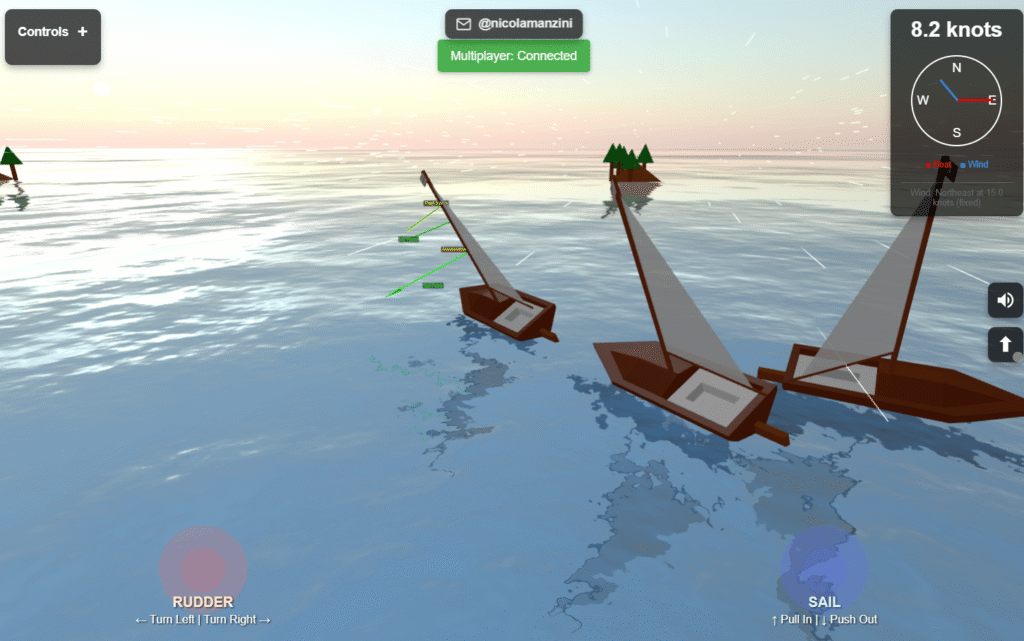
Nicola Manzini had about 3,300 followers on X when he launched Vibe Sail, a relaxing multiplayer 3D sailing simulator that runs in your browser. Built with Three.js and GitHub Copilot, about 85% of the code was AI generated.
The game went viral despite Manzini’s small audience. He posted over 20 updates a day showing his building process, and the community grew organically. Atlantic Records became a supporter. The game now generates about $8,000 per month through in-game advertising and branded content.
A guy with 3,300 followers built a sailing game with AI and landed a deal with a major record label. That’s not AI slop. That’s a business.
5. Illustration.app: College Dropout to Profitable SaaS
A 22 year old college dropout named Evan built an AI vector illustration generator with 8,000 users and $1,700/month in revenue on a freemium model ($9 to $29/month), after multiple failed AI projects taught him to focus on real problems.
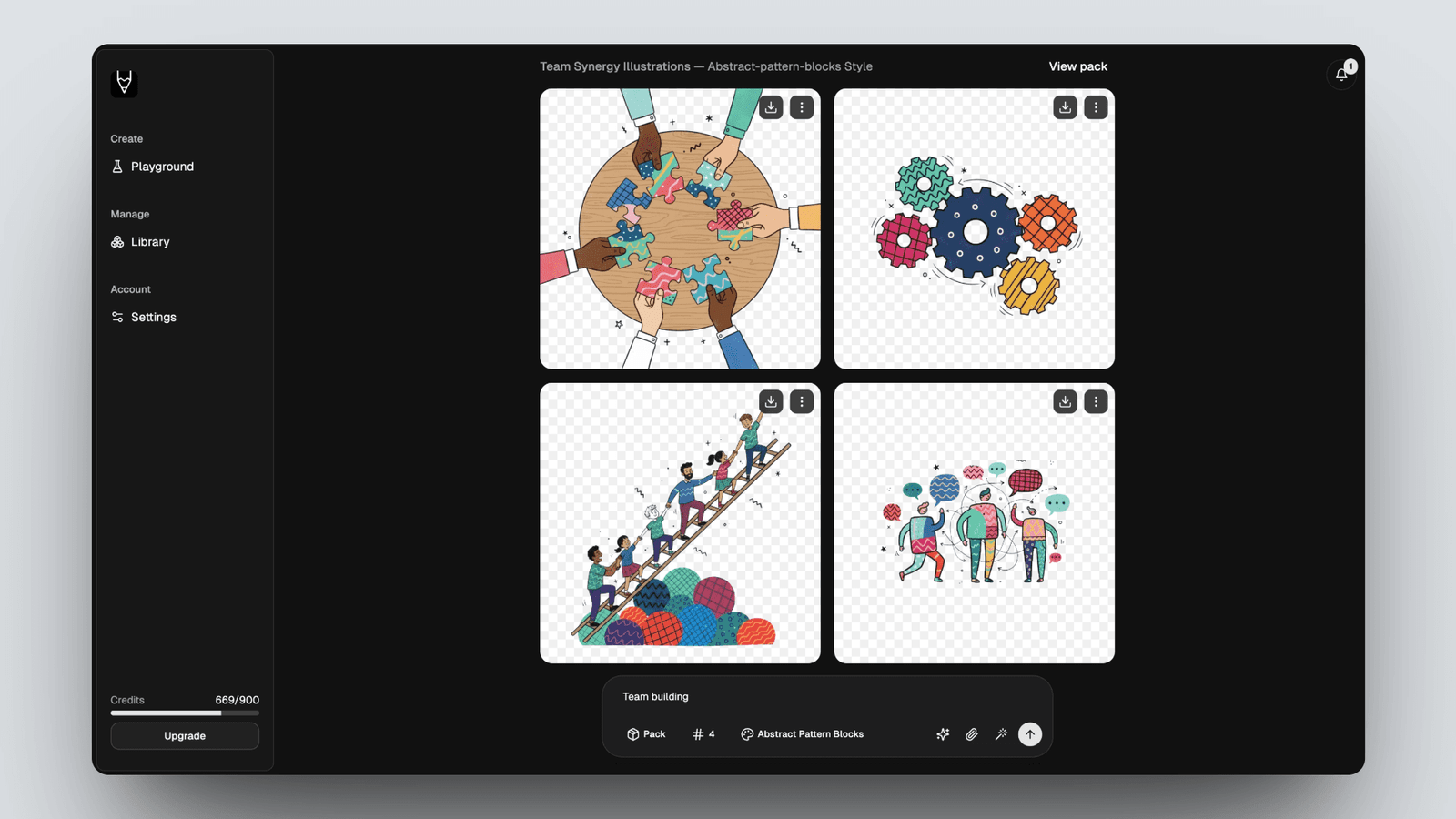
Evan is 22 years old, dropped out of college, and built an AI vector illustration generator that now has 8,000 registered users and brings in $1,700 per month. The business runs on a freemium model where free users get limited generations and premium subscribers pay $9 to $29 monthly.
The failures came first though. He tried building multiple “cool AI projects” that went nowhere before he finally focused on solving a real problem. Designers and marketers need custom illustrations but can’t afford professional illustrators. That gap was his opening.
He found his first users the old fashioned way. Reddit posts in r/SideProject and r/SaaS, building in public on Twitter, and responding to every piece of user feedback personally.
What These Vibe Coded Apps Have in Common
Every successful vibe coded app started with a real problem and a person who understood the market. The AI was the construction tool, not the blueprint.
After looking at all five, a pattern jumps out. None of these people succeeded because of the AI code. They succeeded because they identified a real problem and used AI tools to build the solution faster than they could have otherwise.
Sabrine Matos understood women’s safety in Brazil. Pieter Levels knew how to build viral products. Sebastian Volkis spotted a gap in B2B customer support. The AI was the tool. The insight was the product.
✅ The Real Takeaway: Vibe coding doesn’t eliminate the need for good ideas, marketing, or hustle. It eliminates the barrier that stopped non-technical people from building those ideas in the first place.
Is It Still AI Slop?
Most vibe coded projects fail, just like most software projects always have. But the barrier to entry is now low enough that a growth marketer, a college dropout, and a guy with 3,300 followers can build real businesses.
Some of it? Absolutely. For every Plinq there are a thousand throwaway prototypes that break on first click. But that was true before AI too. Most software projects fail regardless of how the code was written.
The difference now is access. A growth marketer in Brazil can build a safety app. A 22 year old dropout can launch a SaaS business. A guy with 3,300 Twitter followers can land a deal with Atlantic Records. None of that was possible two years ago.
The slop exists. But $456K in annual revenue, 11,000 paying users, and an endorsement from Elon Musk? You can’t hand-wave that away.
Want to try building something yourself? Check out our guide to building apps without coding. And if you’re curious about the tools making this possible, visit our Start Here page for a beginner friendly introduction to AI.
WHO WROTE THIS
Moses Smith. I write Everyday AI for people who aren’t engineers. I go try the tools, then tell you honestly whether they were worth it. Sometimes the answer is no, and that’s kind of the point.
This blog is free and has no ads. If it saved you some time, you can buy me a coffee.