
AI shopping assistants help you find products by analyzing your preferences and budget, then recommending 3 to 5 options instead of hundreds. Tools like ChatGPT (GPT-4o), Claude from Anthropic, Perplexity, and Google Gemini compare prices, read reviews from sources like Wirecutter and Reddit, and filter by your needs in seconds. Always verify prices on Amazon, Target, or the retailer’s site before buying since AI doesn’t have real-time inventory.
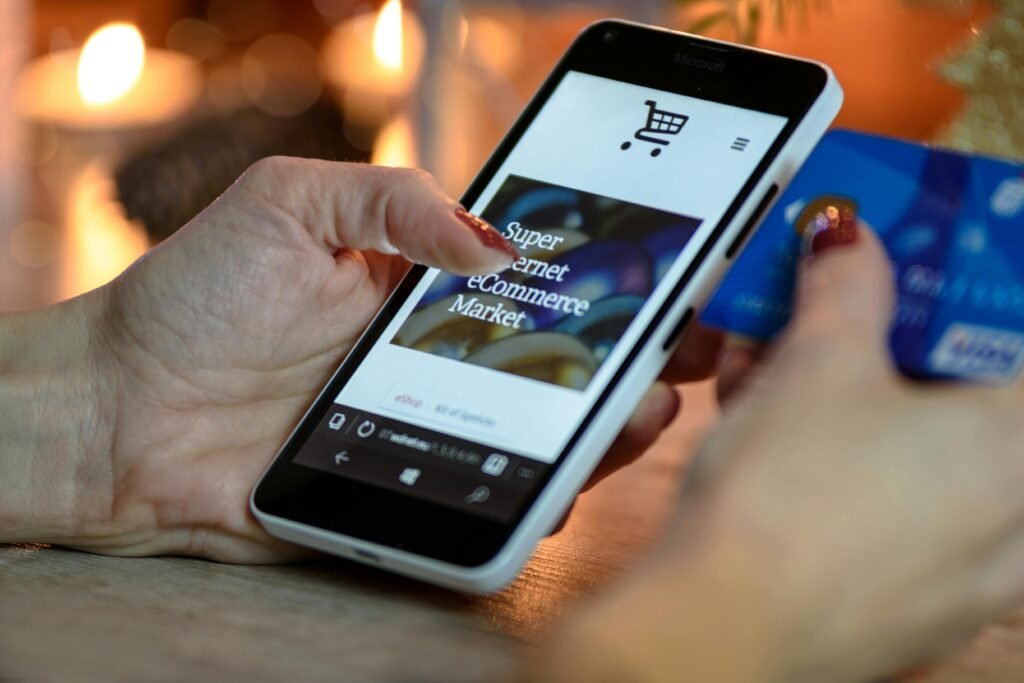
Here’s how I actually use this.
Shopping online sounds simple until you’re actually trying to compare things. Google Shopping doesn’t really work for me. Amazon only shows what Amazon sells. Chrome extensions helped for a while, but what I really wanted was something that could hold all my requirements in its head and compare products intelligently, not just match prices across tabs.
So I started describing what I want to an AI instead. Plain English, all my constraints, and instead of 200 results, I get maybe four recommendations with reasons why each might work. The difference is that AI understands intent. When I search Amazon for “good laptop for my mom who only checks email and does video calls,” I get gaming laptops and ultrabooks. When I ask ChatGPT or Claude the same thing, it understands I need something simple, affordable, with a good webcam and it might suggest an HP Chromebook Plus or a Lenovo IdeaPad and explain why.
3 Things This Actually Does Well
AI shopping assistants excel at three tasks that traditional search engines struggle with. Interpreting vague, context-heavy requests, comparing products side-by-side for your specific use case, and catching hidden issues buried in reviews.
I don’t want to oversell this. But there are three things AI genuinely does better than regular searching.
Handles Vague Requests
“I need a gift for my brother-in-law who’s into outdoorsy stuff but I don’t know him that well and my budget is around $75.” Try typing that into Amazon. Now try asking ChatGPT or Claude. Night and day. It can work with uncertainty and suggest things across categories. A Kammok Roo portable hammock ($65), a Hydro Flask water bottle ($45), a Black Diamond Spot 400 headlamp ($50).
Compares Products For You
Last month I was choosing between two stand mixers. Instead of switching between 12 browser tabs, I asked Claude. “Compare the KitchenAid Artisan ($350) and the Cuisinart SM-50 ($250) for someone who bakes bread once a week.” I got a breakdown of motor wattage, bowl capacity, and dough hook design that actually mattered for my use case.
Spots Things You’d Miss
I almost bought a laptop bag on Amazon that looked perfect until I asked the AI to check if it would fit my specific MacBook Pro 16-inch model. Turns out the internal dimensions were slightly too small for the 16-inch form factor. It pulled that from buried 1-star reviews I never would have found scrolling through 3,000 ratings.
✅ Best For. Gift shopping, comparing similar products, finding budget alternatives, and narrowing down overwhelming options. I save at least 30 minutes per significant purchase.
Watch: AI Shopping in Action
This YouTube video demonstrates using ChatGPT and Perplexity for real product research, showing how AI handles vague shopping requests compared to traditional search engines.
Want to see how this actually works? This video walks through the experience.
The Honest Limitations
AI shopping assistants lack real-time pricing data, sometimes hallucinate products that don’t exist, and create filter bubbles by pattern-matching your past preferences. Always verify prices and availability on the retailer’s actual website.
⚠️ Reality Check. AI shopping assistants don’t have real-time inventory data from Amazon, Target, or Walmart. Prices change, items go out of stock, and sometimes the AI confidently recommends products that don’t exist. Always verify on the retailer’s website before you buy.
Prices are often wrong. More than once I’ve gotten excited about a recommendation only to find the price changed or it’s out of stock on Amazon.
It can be confidently wrong. This is the big one. ChatGPT and Claude will recommend things in a calm, authoritative voice even when hallucinating. I once got a detailed recommendation for a product SKU that literally didn’t exist on any retailer’s website.
The filter bubble is real. If you keep asking the same AI with memory enabled, it pattern-matches on what you’ve bought before. Sometimes I deliberately ask for “something completely different from what I usually buy” just to break out.
Scammers use AI too. Fake customer service chatbots, phishing emails that sound like real retailers, AI-generated reviews on Amazon and other platforms. If a deal seems too good or a chatbot pressures you to act fast, slow down. The FTC has resources on avoiding these scams.
How to Actually Use This
Use AI for quick purchases under $50 with minimal verification. For purchases over $100, use AI to narrow to 3 to 4 options, then cross-reference with Wirecutter, RTINGS, or Reddit before buying.

For quick purchases under $50. I just ask ChatGPT or Claude for a recommendation and go with it. The time saved is worth the small risk. Bought a phone stand this way last week. Four minutes total.
For bigger purchases over $100. I use AI as a starting point, not the final word. Get it to narrow down to three or four options, then do my own research on Wirecutter or RTINGS. AI gets me 80% of the way there.
For gifts. This is where it genuinely shines. I used to stress about finding the right gift for people I don’t know well. Now I describe the person to Claude (age, interests, budget, relationship) and get ideas I never would have thought of.
The key is being specific. Don’t say “I need headphones.” Say “I need wireless headphones under $100 for working from home with Zoom calls, and I wear glasses so they can’t squeeze my head too tight.” More context = better recommendations.
Shopping online used to feel like drowning in options. Now it feels more like a conversation. Somehow that makes the whole thing less exhausting.
Frequently Asked Questions About AI Shopping Assistants
Is it safe to shop using an AI shopping assistant?
The AI itself isn’t handling your payment or personal info. You still check out through regular stores like Amazon or Target. The main safety concern is verifying the AI’s recommendations are accurate and not falling for scams that use AI to look legitimate.
Does the AI shopping assistant track my shopping habits?
It depends on which AI you’re using. ChatGPT and Claude remember your conversation within a session but don’t store long-term shopping profiles. The AI features built into shopping sites like Amazon definitely track your behavior for personalization.
Will an AI shopping assistant replace browsing for fun?
Not for me. Sometimes I want to wander around a store or scroll through products without a specific goal. An AI shopping assistant is for when you know what you need and want to find it fast. It’s a tool for a specific situation, not a replacement for all shopping.
Which AI shopping assistant is best for beginners?
Start with ChatGPT (free version works fine) or Claude. Both understand natural language well and don’t require any setup. Just describe what you’re looking for like you’d tell a friend, and they’ll give you recommendations.
Related Reading
AI Task Management: 7 Ways to Escape To-Do List Overwhelm – Another way AI can simplify your daily life.
Claude Opus 4.5 Review – The AI assistant I use most often for shopping research.
How to Spot AI Fake Images – Relevant if you’re worried about fake product reviews and AI-generated scam content.
Check out our Start Here page for more ways AI can help with everyday stuff.






Leave a Reply