
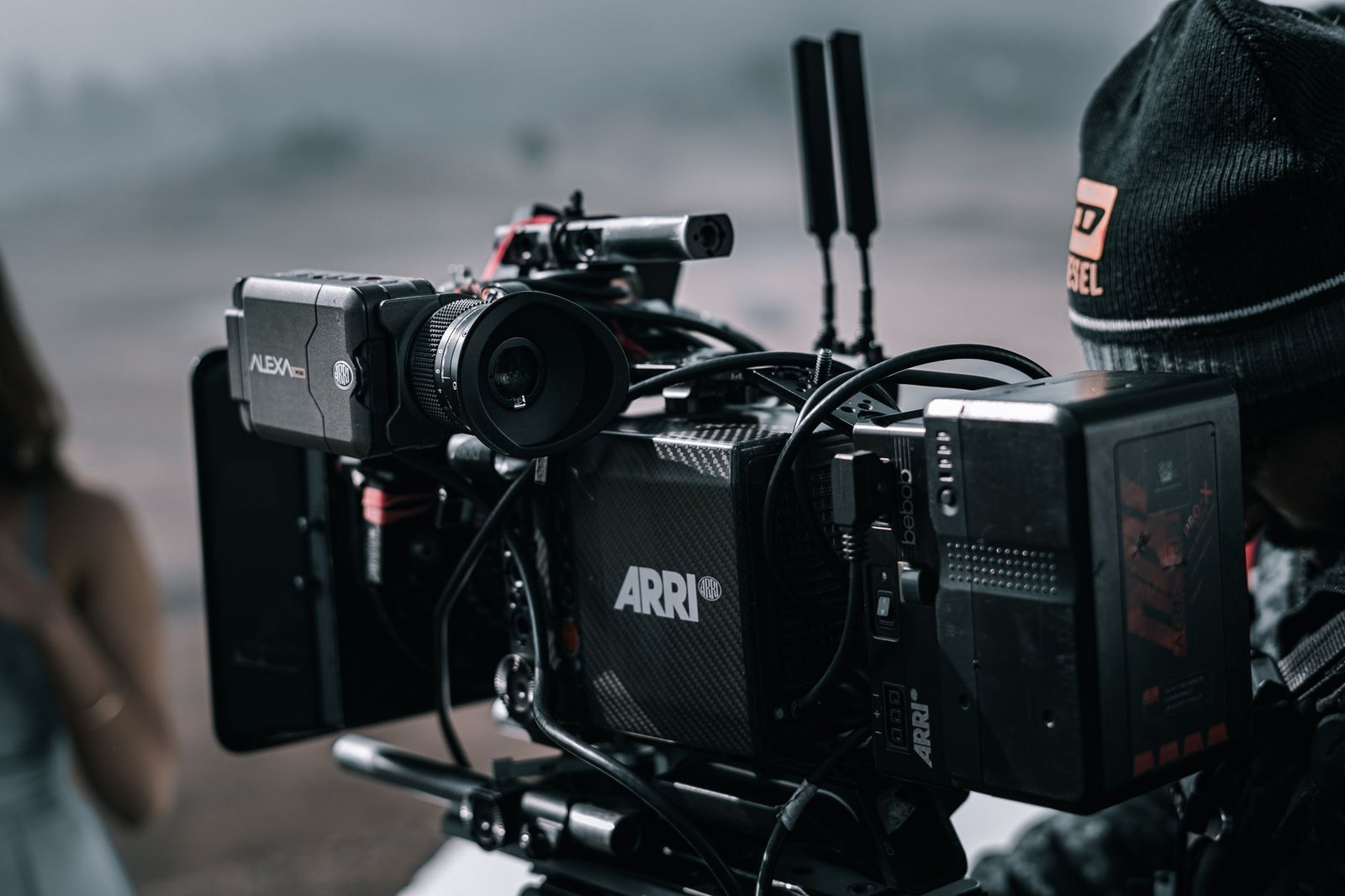
ℹ️ Quick Answer: Neill Blomkamp, the director of District 9, released Nightborne, a 13-minute AI-generated film made entirely with the Seedance 2.0 video model. He directed it frame by frame through text prompts, licensed the faces and voices of 32 real people, and says a full-length AI feature is next. Critics panned the quality.
📋 WHAT’S INSIDE
- What Blomkamp Actually Made
- Why I See This as a Tool, Not a Threat
- The Part People Are Actually Mad About
- Is This AI-Generated Film Any Good?
- Watch Nightborne Yourself
Last updated: July 21, 2026
I use AI every day so I’m not the guy who flinches every time it shows up somewhere new. Even so, when Neill Blomkamp, the director of District 9, dropped an entire 13-minute AI-generated film, made with nothing but text prompts, I understood the groans right away. Most people don’t like AI-generated things, and that reaction is real and reasonable at times.
My thoughts are I don’t think this is the end of anything. I think it’s a tool, and a genuinely interesting one. Let me walk through why, and then the part I think people are actually mad about.
What Blomkamp Actually Made
Blomkamp released Nightborne, a 13-minute sci-fi horror short made entirely with the Seedance 2.0 AI video model, directing it frame by frame through text prompts. He built it with 32 licensed faces and voices, launched an AI studio called Barley Studios, and says a full feature is next.
The film is shot documentary-style and follows a U.S. pilot presumed dead and a secret military program that sends fallen soldiers back into combat. He put it on YouTube over the weekend. Per The Decoder, the faces and voices of 32 real people were used under licensing agreements, and human artists created the concept art. Barley Studios is the AI counterpart to his traditional studio, Oats Studios.
If Seedance 2.0 sounds familiar, it should. It’s the same model behind the viral face-swap clips that had Hollywood trying to get it banned earlier this year. This time a real director picked it up on purpose.
Why I See This as a Tool, Not a Threat
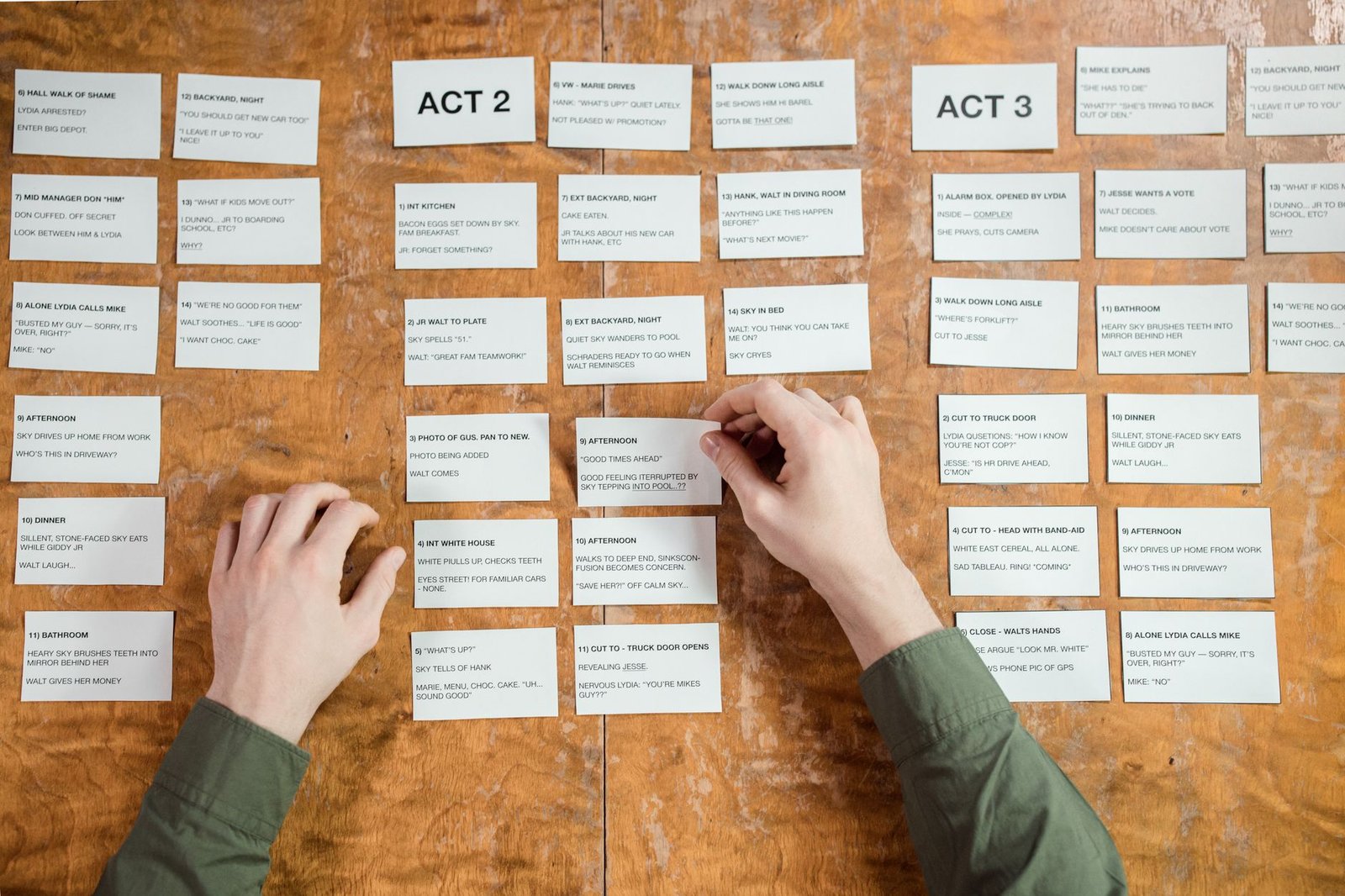
The most useful way to think about a 13-minute AI-generated film is as a proof of concept, a way for a director to see a film that until now only lived on paper.
Blomkamp himself called it “the first full test AI film I have made” and “a 13-minute test” in his announcement. That word, test, is the whole thing for me. A director can have an entire movie clear in his head and written down, and still have no way to actually see it before spending millions to shoot it. Hollywood is full of scripts that read great and then fell apart the second cameras rolled, because the vision on the page never translated to the screen.
An AI short lets a director look at what the movie could be first. It’s the same move an engineer makes with a proof of concept: build something rough and fast to see whether the idea holds up, knowing full well it’s nowhere near the finished product. That’s how I read this. Not a replacement for filmmaking, a sketch of it.
The Part People Are Actually Mad About
The real thing people are angry about usually isn’t AI in a movie. It’s AI they didn’t agree to and weren’t told about. On that count, Blomkamp did the hard part right.
He licensed the faces and voices of the 32 people in it, paid human concept artists, and said plainly and up front that the whole thing is AI. Set that next to the reaction when Meta let strangers AI-edit public Instagram photos with no notice and no opt-in, which got pulled in three days. The anger there was never really about the technology. It was about being enrolled in something without a choice.
So when Blomkamp says a full-length AI feature is coming, made the same way, should we get to be angry about it? The key is he keeps being honest that it’s AI. You can watch it or skip it.
Is This AI-Generated Film Any Good?
Being a milestone and being good are two different things, and the reviews are not kind.
The critics who sat through Nightborne were rough on it. Kotaku called it “utterly nothing” and argued that a person making even a bad film with real actors beats a machine generating a competent one, because at least a person had a vision they were reaching for. That’s a fair hit, and I won’t pretend the story is deep.
Both things can be true at once. Holding a coherent narrative together for 13 straight minutes is a real technical jump for AI video, which fell apart at that length until recently, and the film it produced is still thin. A proof of concept was never supposed to be a masterpiece. It’s supposed to prove the pipeline works, and on that narrow question, it did.
Watch Nightborne Yourself
It’s free on YouTube, so you can judge the AI-generated film for yourself instead of taking a critic’s word or mine. The film is thirteen minutes with no camera involved.
What is Nightborne?
Nightborne is a 13-minute science-fiction horror short film by District 9 director Neill Blomkamp, made entirely with the Seedance 2.0 AI video model. It follows a U.S. pilot presumed dead and a secret military program, and Blomkamp directed it frame by frame through text prompts.
Did Neill Blomkamp use real actors in the AI film?
Not in the traditional sense. He didn’t film anyone, but the faces and voices of 32 real people were used under licensing agreements, and human artists created the concept art. Blomkamp described the short as a test for a planned full-length AI feature.
Is Nightborne any good?
Reviews are mixed to negative. Critics called the story thin and the result hollow, even while acknowledging that holding a coherent narrative together for 13 minutes is a genuine technical step forward for AI video generation.
Blomkamp says a full feature is coming, built the same way. Whether it turns out good is a real question. Whether he’s allowed to try, as long as he’s honest about how it’s made, isn’t one to me.
Related reading: Seedance 2.0 went viral and Hollywood is furious | Make AI video without a camera | New to AI? Start here
WHO WROTE THIS
Moses Smith. I write Everyday AI for people who aren’t engineers. I go try the tools, then tell you honestly whether they were worth it. Sometimes the answer is no, and that’s kind of the point.
This blog is free and has no ads. If it saved you some time, you can buy me a coffee.


Leave a Reply