

ℹ️ Quick Answer: AI memory chip prices are raising the cost of phones, laptops, and consoles because Samsung, SK Hynix, and Micron have shifted most of their production to the high-bandwidth memory that AI data centers buy. Regular DRAM got scarce, contract prices roughly doubled in early 2026, and Apple, Microsoft, Sony, and Amazon have all raised device prices since.
📋 WHAT’S INSIDE
- What Got More Expensive, With Numbers
- Why AI Data Centers Are Behind It
- How Long This Lasts
- How to Spend Less While It Does
- Where I Land on This
- Frequently Asked Questions
Last updated September 8, 2026
Back in July I wrote about AI pushing up electric bills and laptop prices, and in August about GPU prices doubling. This week the same story showed up in the part of the device nobody thinks about, which is the memory. A new round of reports says the AI memory chip squeeze is now landing on phones, laptops, game consoles, and even smart speakers, and that it isn’t going away soon.
I love this technology. I also don’t want to pay double for a phone that does nothing new for me. Here’s what’s actually happening and what I’d do about it.
What Got More Expensive, With Numbers
Almost every major device maker has raised prices this year, and the increases are not small. In a September 4 roundup, Consumer Reports listed them: Microsoft moved the Xbox Series X from $650 to $800, Sony added $100 to $150 to the PlayStation 5, Apple raised MacBook and iPad starting prices by $200 in June, and Amazon’s Echo Dot went from $50 to $80.
Samsung is doing it too, even though it makes the chips. Asia Today, via UPI, reports the Galaxy Book6 laptops went up between $130 and $669 depending on the model, and some Galaxy Z Fold8 and Flip8 phones launched $100 above their predecessors. Where companies aren’t raising the sticker, they’re quietly cutting storage or shipping more 4G models in cheaper markets.
Gartner told CNBC in June it expects PC prices up 17 percent and smartphone prices up 13 percent this year versus 2025, with shipments falling as people hold off. Apple called the memory shortage an “unprecedented challenge” in its own statement.
Why AI Data Centers Are Behind It
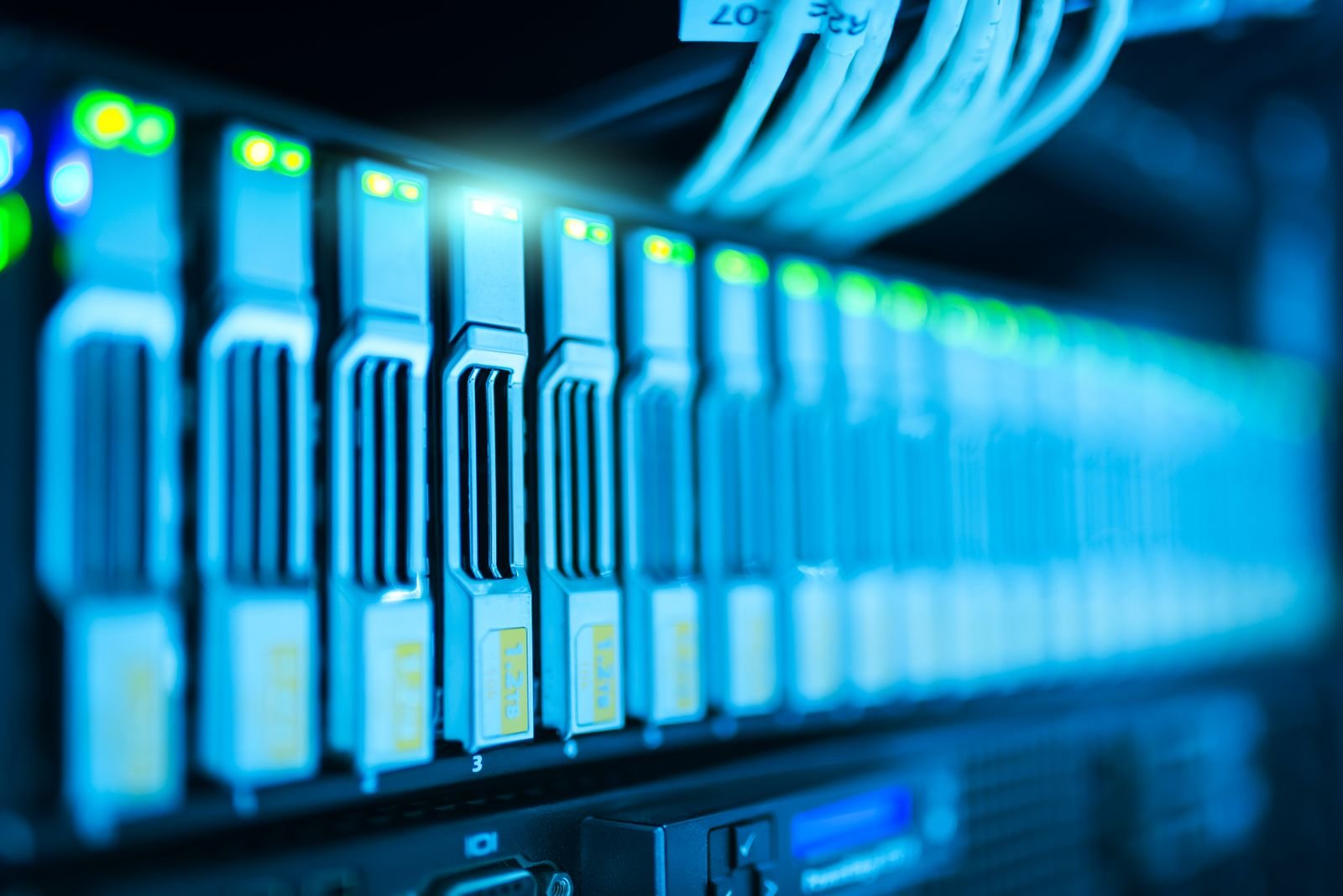
AI servers need a special kind of memory called high-bandwidth memory, and the three companies that make almost all the world’s memory have moved most of their factories over to it.
Samsung, SK Hynix, and Micron are the whole market, and Omdia analyst Edward Wilford told Consumer Reports that roughly 70 percent of relevant capacity now goes to high-bandwidth memory, which earns them better margins than the ordinary DRAM in your phone. They’re still only meeting about half of AI demand. The regular memory that phones and laptops use gets whatever is left, and there’s a lot less of it, so DRAM contract prices jumped as much as 98 percent in the first quarter alone, according to TrendForce figures cited by Consumer Reports.
Your phone doesn’t need more memory than it did last year. It just costs more to buy the same amount, because the factory that used to make it is making something for a data center instead.
How Long This Lasts
The analysts I could find agree the increases are slowing but not reversing. TrendForce forecast another 13 to 18 percent rise in DRAM contract prices for the third quarter, a noticeably slower pace than earlier in the year, because consumer buyers have hit what it calls their affordability limit.
Wilford’s phrase for it was “this is a ramp, not a bump.” Gartner’s Ranjit Atwal told CNBC the difference from past memory cycles is both how far prices have gone and how long they’re expected to stay high. None of the forecasts I found predict a return to 2025 prices, and TrendForce expects server shipments to stay strong through 2027.
How to Spend Less While It Does

The best move is to not buy this year if your current device works, and if you have to buy, go one generation back or refurbished.
Consumer Reports’ advice lines up with what I’d tell a friend. Last year’s model is now the bargain, since it was priced before the squeeze and gets discounted when the new one lands. Certified refurbished from Apple, Samsung, or Best Buy comes with a warranty and skips the new-price premium entirely. If you’re set on new, wait for the big sale weekends rather than buying at launch, because launch prices this year carry the full memory markup.
One more thing to watch for is the quiet downgrade. Check the storage and RAM on the spec sheet before you buy, because some of this year’s “same price” models come with less inside than last year’s did.
Where I Land on This
Something is going to have to level out, because right now it seems like everything is being affected by AI at once.
Energy costs are going up because of AI. Consumer products are going up because of AI. I know AI is here to stay, and I’m not arguing it should go anywhere. From an economic standpoint, though, there’s going to have to be some leveling out, because a world where the data centers get the chips and the rest of us pay double for a phone isn’t stable.
I do love AI. If the price of loving it is paying twice as much for a new phone or a new laptop that does nothing new for me, that’s not a good trade-off.
Why are AI memory chips making phones and laptops more expensive?
Samsung, SK Hynix, and Micron have shifted most of their production to high-bandwidth memory for AI data centers, which pays better. That leaves less regular DRAM for phones and laptops, so its price roughly doubled in early 2026 and device makers passed the cost on.
Which devices have gone up in price because of memory costs?
Consumer Reports lists the Xbox Series X ($650 to $800), PlayStation 5 (up $100 to $150), MacBooks and iPads (up $200), and the Echo Dot ($50 to $80). Samsung raised Galaxy Book6 laptops by $130 to $669 and some Galaxy Z Fold8 and Flip8 models by $100.
When will memory chip prices come back down?
Analysts don’t expect a return to 2025 prices. TrendForce forecasts DRAM contract prices rising another 13 to 18 percent in the third quarter of 2026, a slower pace than earlier in the year, with AI server demand holding through 2027.
If your phone still works, this is the year to keep it. If it doesn’t, last year’s model is the smart buy.
Related reading: AI is quietly raising your electric bill and your laptop price | GPU prices in 2026: AI just doubled the cost of your next PC | What Nvidia’s new AI chips mean for ChatGPT and Claude users | New to AI? Start here
WHO WROTE THIS
Moses Smith. I write Everyday AI for people who aren’t engineers. I go try the tools, then tell you honestly whether they were worth it. Sometimes the answer is no, and that’s kind of the point.
This blog is free and has no ads. If it saved you some time, you can buy me a coffee.








Leave a Reply