

ℹ️ Quick Answer: A new Microsoft AI deception study found that current detection tools only produce reliable results in about one third of tested scenarios. Deepfake scams cost victims over $200 million in early 2025, and voice cloning needs just three seconds of audio. Here is what you can do about it.
What’s inside
- What Microsoft’s AI Deception Study Actually Found
- How AI Deception Hits Regular People
- What Regulators Are Doing About It
- Five Ways to Protect Yourself From AI Deception
- Common Questions About AI Deception
AI deception changed how I answer the phone. I don’t pick up calls from numbers I don’t recognize anymore. Period. After spending the past year watching AI voice cloning demos, testing voice training tools, and reading about people getting scammed by perfect replicas of their loved ones’ voices, I just can’t trust that the person on the other end is real.
Insurance company calling about my policy? I’ll call them back using the number on my card. Bank flagging suspicious activity? I’ll log into the app myself. It might sound paranoid. Turns out Microsoft’s latest research suggests it’s just common sense.
What Microsoft’s AI Deception Study Actually Found
Microsoft’s research team tested 60 detection scenarios and found only 20 produced high confidence results, meaning current AI authentication tools fail two thirds of the time.
Microsoft’s AI safety team, led by Chief Scientific Officer Eric Horvitz, tested every major method we have for proving whether digital content is real or fake. The report, called “Media Integrity and Authentication,” examined three technologies the industry relies on. Cryptographic provenance metadata (a digital receipt showing where content came from). Invisible watermarks baked into AI generated files. Digital fingerprints that create a soft hash of the content.
Out of 60 possible combinations, only 20 achieved “high confidence authentication.” Two thirds of the time, the tools we depend on to separate real from fake aren’t reliable enough to trust. The study also found “reversal attacks” where someone edits a real photo slightly and the system labels the whole thing “AI generated” while actual fakes slip through. If you want to learn the visual red flags for spotting AI fakes, that helps, but even those techniques have limits against the latest AI deception tools.
How AI Deception Hits Regular People
Deepfake fraud cost victims over $200 million in early 2025 alone, with voice cloning scams and fake video calls targeting families and businesses as the most common attack methods.

People are losing real money. Deepfake fraud topped $200 million in early 2025. 77% of victims who encountered a deepfake scam lost money, with about a third losing over $1,000.
The most common attacks target families. In July 2025, Sharon Brightwell of Dover, Florida received a call from what sounded like her daughter, sobbing about a car accident. A man got on the line posing as a lawyer, demanding $15,000 for bail. She sent the cash before discovering the voice was AI generated from clips scraped off social media.
Voice cloning now needs just three seconds of audio to produce an 85% match. A finance worker at engineering firm Arup wired $25 million to fraudsters after a deepfake video call mimicking several colleagues at once. AI generated video has reached a point where even Hollywood can’t tell it apart from real footage. Human detection rates for high quality deepfakes sit at just 24.5%. Worse than a coin flip.
What Regulators Are Doing About It
California’s AB 2655 AI transparency law takes effect in August 2026, YouTube launched a deepfake likeness detection tool, and the C2PA coalition is building digital “nutrition labels” for media, but none of these solutions fully solve the problem yet.
California’s AI transparency law takes effect in August 2026 and will require AI companies to embed disclosures in generated content. Microsoft’s own report says some of those requirements are technically impossible to meet right now. YouTube rolled out a likeness detection tool in late 2025 that catches facial deepfakes, but voice cloning still flies under the radar. The C2PA standard (backed by Microsoft and Adobe) is trying to create digital “nutrition labels” for media. Early days.
The Deepfakes Rapid Response Force reported that detection tools built around spotting facial artifacts are already obsolete. Newer models like Google Veo 3 and OpenAI Sora 2 produce video realistic enough that traditional detection methods struggle to keep up. Regulation is playing catch up.
Five Ways to Protect Yourself From AI Deception
Your best defenses right now are behavioral. Slow down, verify through a second channel, and use a family safe word. These simple habits stop the majority of AI scams before any technology needs to get involved.
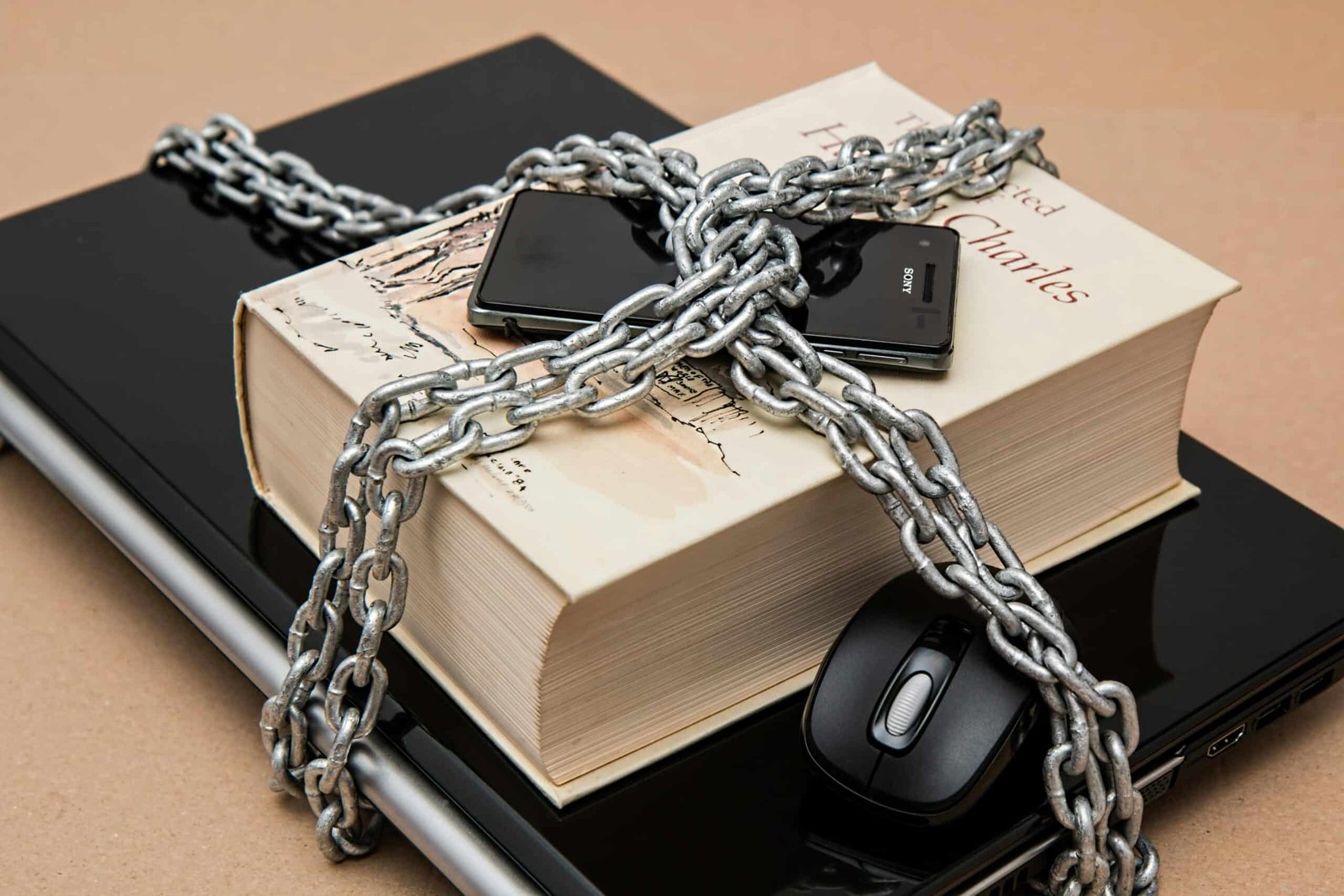
You can’t wait for the law to catch up. These steps work today.
- Create a family safe word. Pick a code word only your family knows. The National Cybersecurity Alliance recommends this as your first line of defense.
- Verify through a second channel. Got a panicked call from your “boss” or “spouse”? Hang up. Call them back on the number you already have saved.
- Slow down when money is involved. Every one of these scams depends on urgency. Legitimate emergencies can wait five minutes for verification. Scams can’t.
- Reduce your audio footprint. Voice cloning pulls from public videos, voicemails, and social media clips. Consider making your social profiles private.
- Use verification tools. Google Reverse Image Search, Snopes, and Reuters Fact Check can verify suspicious content. Your bank may also use AI fraud detection behind the scenes, but don’t rely on that alone.
Common Questions About AI Deception

Can AI detection tools reliably spot deepfakes?
Not consistently. Microsoft’s study found current methods only work in about a third of scenarios. Detection accuracy drops 45 to 50% on real world content versus lab conditions. Right now, your own skepticism is a better defense than any software.
How much audio does someone need to clone my voice?
Three seconds for an 85% match. Longer clips produce even more convincing replicas. This is why the FTC recommends limiting publicly available recordings of your voice.
What should I do if I get a suspicious call from a “family member”?
Hang up and call that person directly using a number you already have saved. Don’t send money, gift cards, or cryptocurrency based on a phone call alone. If you’ve already sent money, contact your bank and file a report with the FBI’s IC3 at ic3.gov.
AI deception is getting better faster than our tools to detect it. Your best move right now is simply slowing down and verifying everything before you act.
Related reading: How to Spot AI Fake Images. 5 Red Flags Anyone Can Find | Meta Teen AI Safety Update. Parents Get New Controls | Ofcom Investigates X Over Grok AI Deepfakes | New to AI? Start here



Leave a Reply