

ℹ️ Quick Answer: OpenAI is building a new AI device with former Apple designer Jony Ive. It is screen-free, compact, and packed with cameras and microphones. OpenAI acquired Ive’s startup IO for $6.5 billion and wants to ship 100 million units. Think of it as a “third core device” alongside your laptop and phone, not just another smart speaker.
What’s inside
- The AI Hardware Graveyard
- What OpenAI’s AI Device Actually Is
- Why This OpenAI AI Device Might Actually Work
- The Elephant in the Room
- Common Questions About the OpenAI AI Device
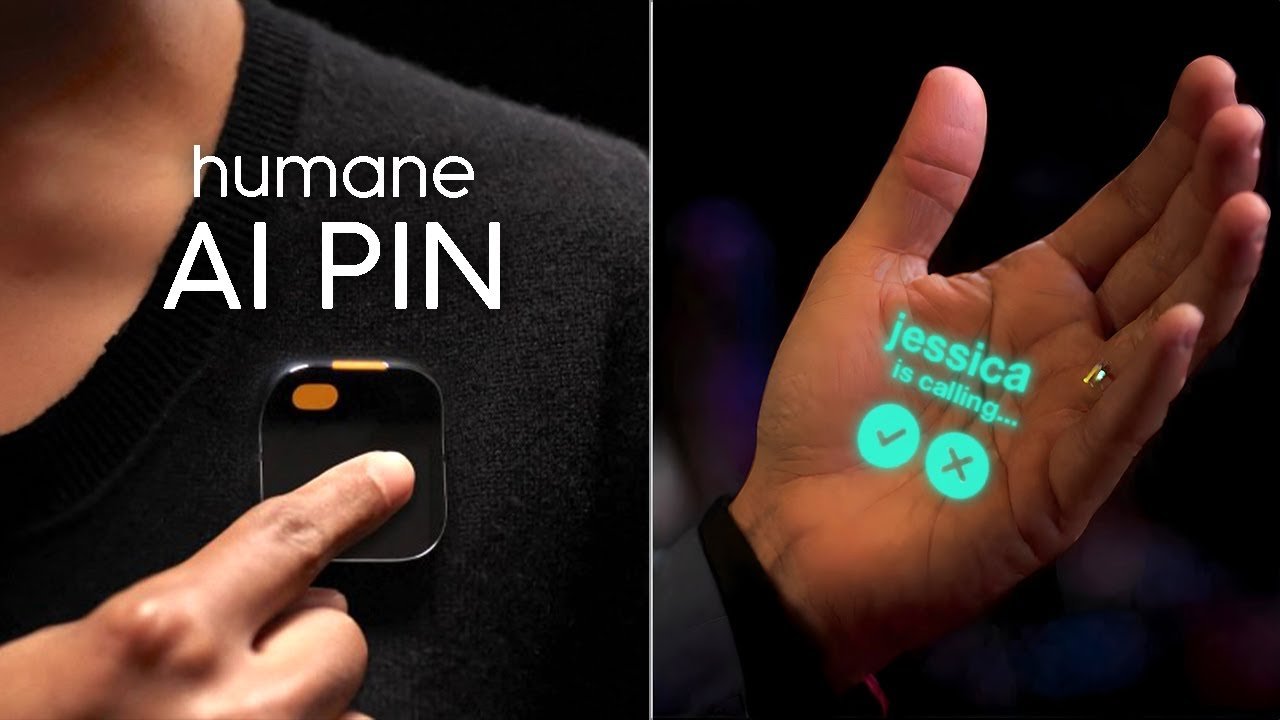
Remember Humane? They raised $200 million, launched a $699 AI pin, and promised to replace your phone. Within a year, more devices were being returned than sold. HP bought what was left for pennies on the dollar, then bricked every single device. Early buyers got nothing.
Rabbit’s R1 had the same energy. Cute orange box, big CES demo, $199 price tag. It couldn’t set a timer. Marques Brownlee called the AI Pin the worst product he ever reviewed, and the R1 wasn’t far behind.
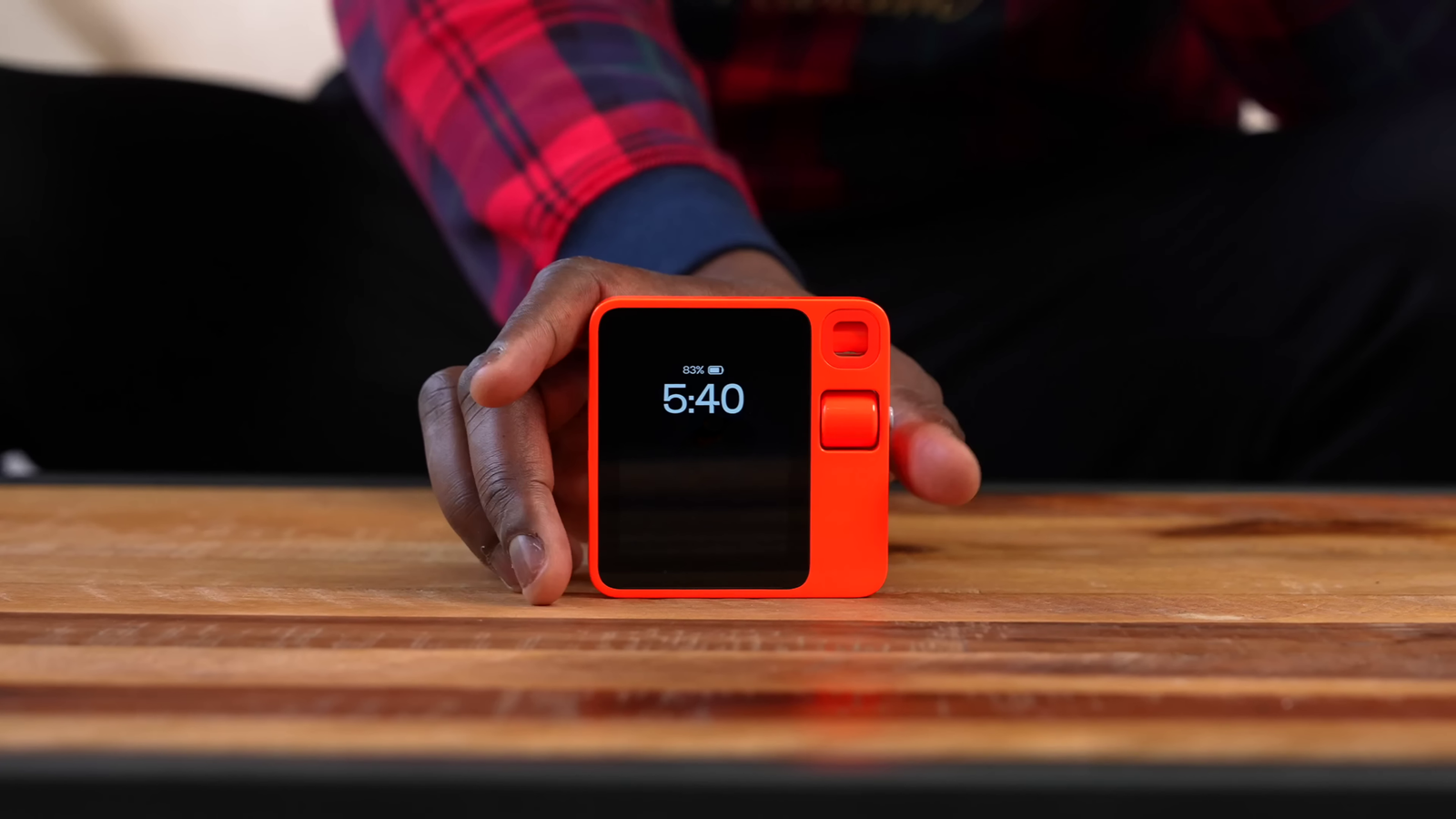
So when I tell you OpenAI and Jony Ive are building an AI device that wants to sit next to your laptop and phone as a “third core device,” I understand the eye roll. But this one is different. Maybe.
The AI Hardware Graveyard
Humane and Rabbit both failed for the same reason. They were selling hardware that did less than the phone already in your pocket. The AI Pin couldn’t reliably answer basic questions. The R1’s “Large Action Model” never actually learned to drive apps the way demos promised. Both companies bet that people would carry a second device just because it had AI in it. People did not.
The lesson from both failures is simple. Cool design and AI hype are not enough. Latency, reliability, and actually being useful every single day matter more than novelty.
What OpenAI’s AI Device Actually Is
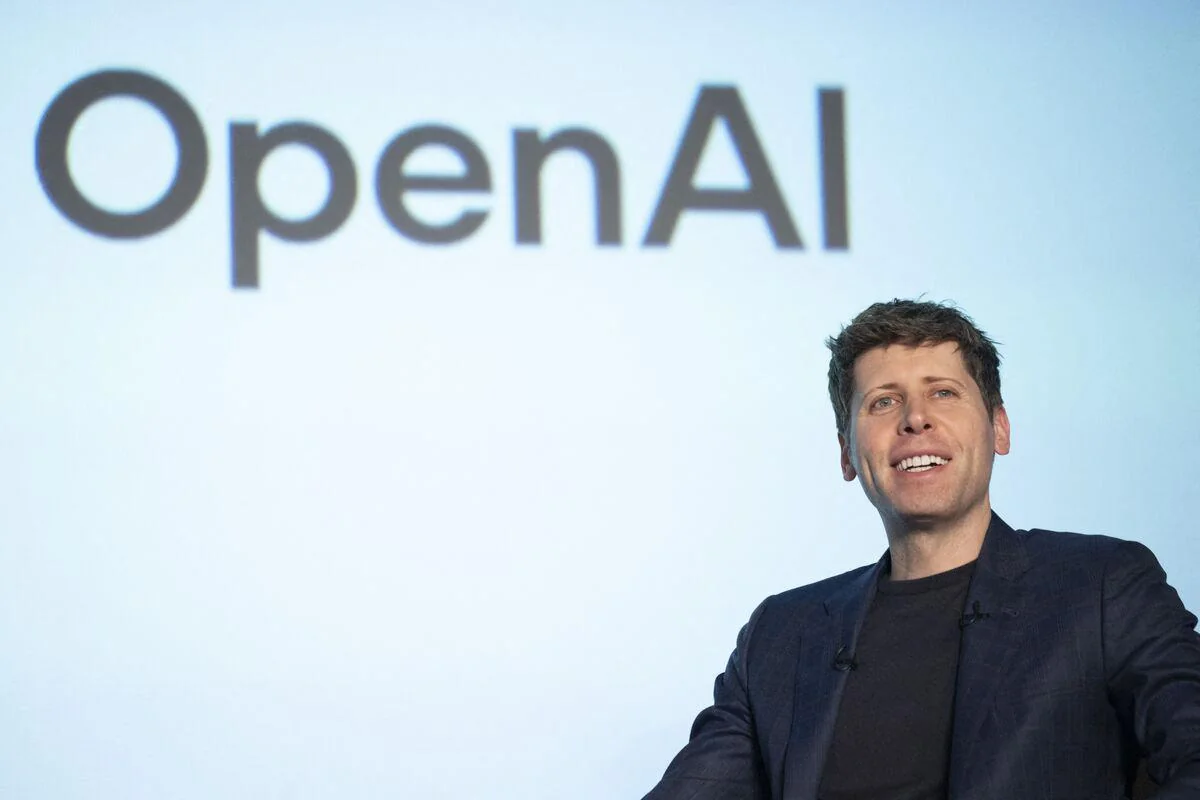
OpenAI’s AI device is not a smart speaker. At least, not in the way Amazon Echo or Google Nest Hub are smart speakers. Based on an internal staff call reported by The Verge, the first product is compact, screen-free, not glasses, and not a smartphone. Sam Altman described it as “discreet” and deeply aware of your environment through built-in microphones and cameras.
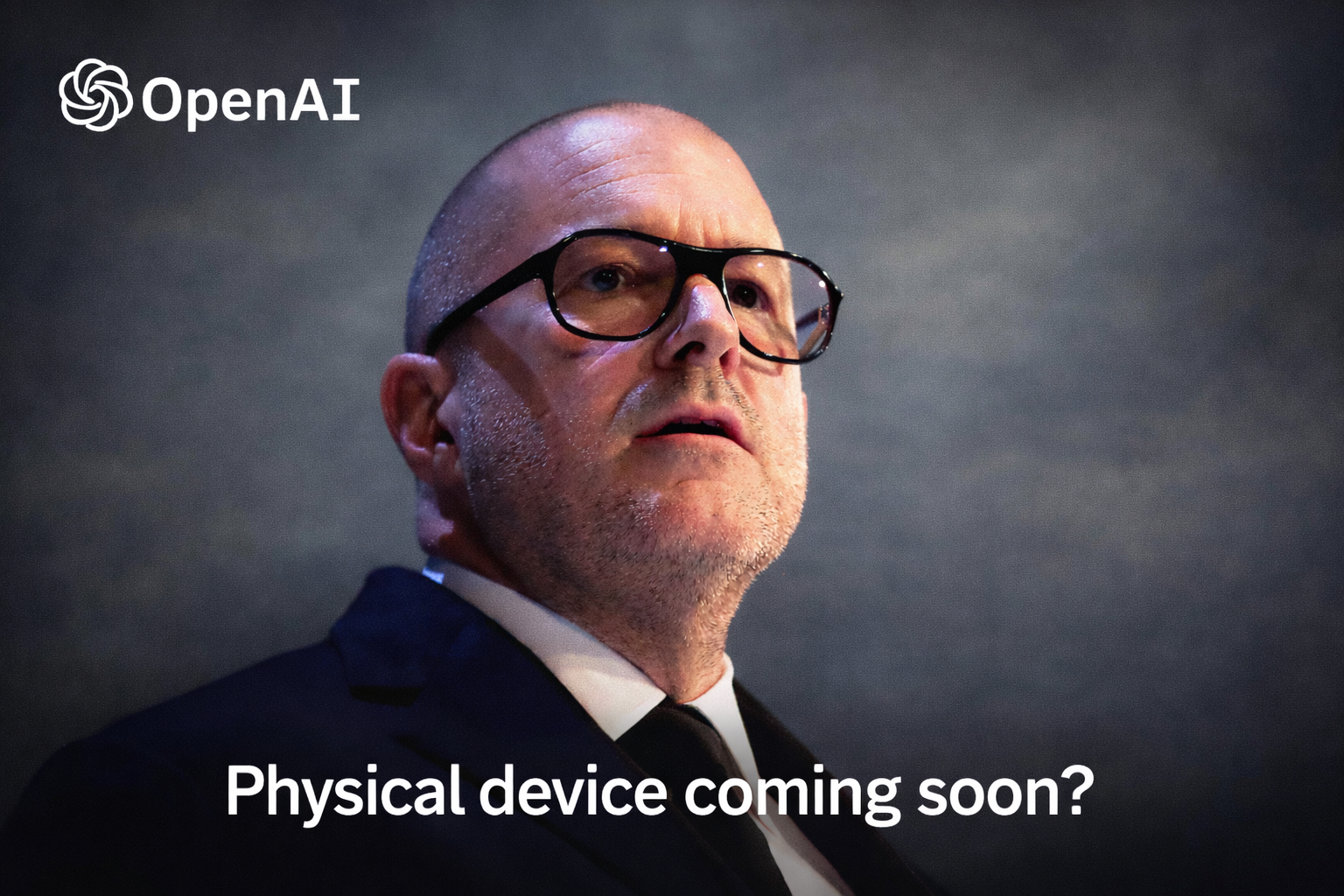
OpenAI bought Jony Ive’s hardware startup IO in 2025 for roughly $6.5 billion in stock. That is not smart speaker money. That is “we are inventing a new product category” money. Ive brought about 55 people and his design studio LoveFrom, and he now leads hardware and industrial design across OpenAI. Former Apple designer Evans Hankey is handling industrial design. When we first covered this project as the Gumdrop AI Pen, details were thin. Now the picture is clearer.
The goal? Altman told employees he wants to reach 100 million units faster than any previous product category. For reference, the iPhone took about five years to hit that number.
Why This OpenAI AI Device Might Actually Work
Humane had demo-stage AI and a small engineering team. Rabbit had a concept that required apps to cooperate (they didn’t). OpenAI has the actual models. ChatGPT, GPT-4o, voice mode, vision, tool use. All of it built in-house. That is the difference.
Then there is Ive. The man literally designed the iPhone, the iMac, and the AirPods. At OpenAI’s Dev Day, Ive said “I don’t think we have an easy relationship with our technology at the moment” and described wanting devices that make people “happy, fulfilled, peaceful, less anxious, and less disconnected.” Altman compared today’s phone experience to “walking through Times Square” and said this device should feel more like “sitting in the most beautiful cabin by a lake.”
The philosophy is nice, but the real advantage is simpler. Current smart speakers are thin front-ends for Alexa, Google Assistant, or Siri (now powered by Gemini). OpenAI’s device would sit directly on top of the most capable AI models in the world. That is a fundamentally different product. As Spyglass put it: “Can OpenAI build Alexa before Amazon can build ChatGPT?”
The Elephant in the Room
A device with always-on cameras and microphones that is designed to “know everything about you” raises obvious questions. We don’t know yet if there will be a physical camera shutter. We don’t know if there is a hardware mic-off switch. We don’t know how OpenAI plans to store what this device sees and hears, or whether that data trains future models.
These are not hypothetical concerns. Amazon faced years of backlash over Alexa recordings being reviewed by human employees. That was audio only. Adding a camera makes the stakes dramatically higher. A device that can see your kids, your documents, your guests, and your daily routines requires a level of trust that OpenAI has not yet earned in the hardware space.
Altman has warned this project will “require patience,” suggesting a multi-year rollout rather than a rush to market. That is probably smart. Because if this device launches with a privacy scandal attached, no amount of Jony Ive design magic will save it.
Common Questions About the OpenAI AI Device

When does the OpenAI AI device launch?
No official launch date has been confirmed. Leaks and reports point to early 2027 for the first product, though OpenAI originally hinted at a 2026 reveal. Altman has said the project will require patience.
How much will the OpenAI AI device cost?
Reports suggest a $200 to $300 price range for the first product, which would put it at the premium end of the smart speaker market alongside the Apple HomePod and Amazon Echo Show. Nothing has been officially confirmed by OpenAI.
Is this just another smart speaker?
No. Unlike Amazon Echo or Google Nest, this is described as a screen-free, camera-equipped device designed to be an active participant in your daily life, powered directly by OpenAI’s most advanced AI models. Think less music and timers, more personal AI assistant that sees and hears your world.
Will it replace my phone?
Not likely in the short term. Altman has positioned it as a third core device alongside your laptop and phone, not a replacement. The Humane AI Pin tried to replace the phone and failed badly. OpenAI seems to be avoiding that trap.
Related reading: OpenAI Gumdrop AI Pen: Is This Finally the AI Hardware That Works? | Apple’s $1 Billion Siri Gemini Deal | New to AI? Start here




Leave a Reply