
ℹ️ Quick Answer: Perplexity Computer is a new AI workspace that goes beyond search. It researches, writes code, builds dashboards, deploys mini apps, and manages entire projects from a single prompt. It runs Claude Opus 4.6 for reasoning, Gemini for deep research, and ChatGPT 5.2 for long-context tasks. Available now to Perplexity Max subscribers at $200 per month.
What’s inside
- What Perplexity Computer Actually Does
- The Multi-Model Brain Behind Perplexity Computer
- How Perplexity Computer Compares to OpenClaw, Manus, and Operator
- Why This Matters More Than You Think
- Common Questions About Perplexity Computer
I have been watching this AI agent race for months now. OpenClaw went viral. Manus made waves. OpenAI launched Operator. Anthropic shipped computer use. Everyone is racing to build the AI that does not just answer questions but actually does the work for you.
My honest take? I am more likely to trust something a real company builds and stands behind than an open source project that still needs to cook. Perplexity just announced Perplexity Computer, and it feels like the first version of this idea that a normal person could actually use without setting up Docker containers or wiring API keys together.
What I really love about all of this is the race itself. Every company is trying to one-up each other, and the biggest winners in all of it are us. The consumers.
What Perplexity Computer Actually Does
Perplexity Computer is a general-purpose digital worker that operates your software stack like a human coworker would. Instead of just giving you an answer and sending you on your way, it researches the topic, writes the code, builds the spreadsheet or dashboard, and deploys a working mini app from a single prompt.
It bundles three modes that Perplexity already offered (Search, Research, and Labs) into something closer to an AI-powered operating system than a search box. Give it a task and it breaks that task into subtasks, spawns sub-agents to handle each one, and coordinates everything automatically. Every task runs in an isolated compute environment with a real filesystem, a real browser, and real tool integrations.
When it hits a problem, it does not just stop and ask you. It creates a new sub-agent to solve it. It can find API keys, research supplemental information, code solutions on the fly, and only check in with you when it truly needs human input. Perplexity says these workflows can run for hours or even months.
The Multi-Model Brain Behind Perplexity Computer
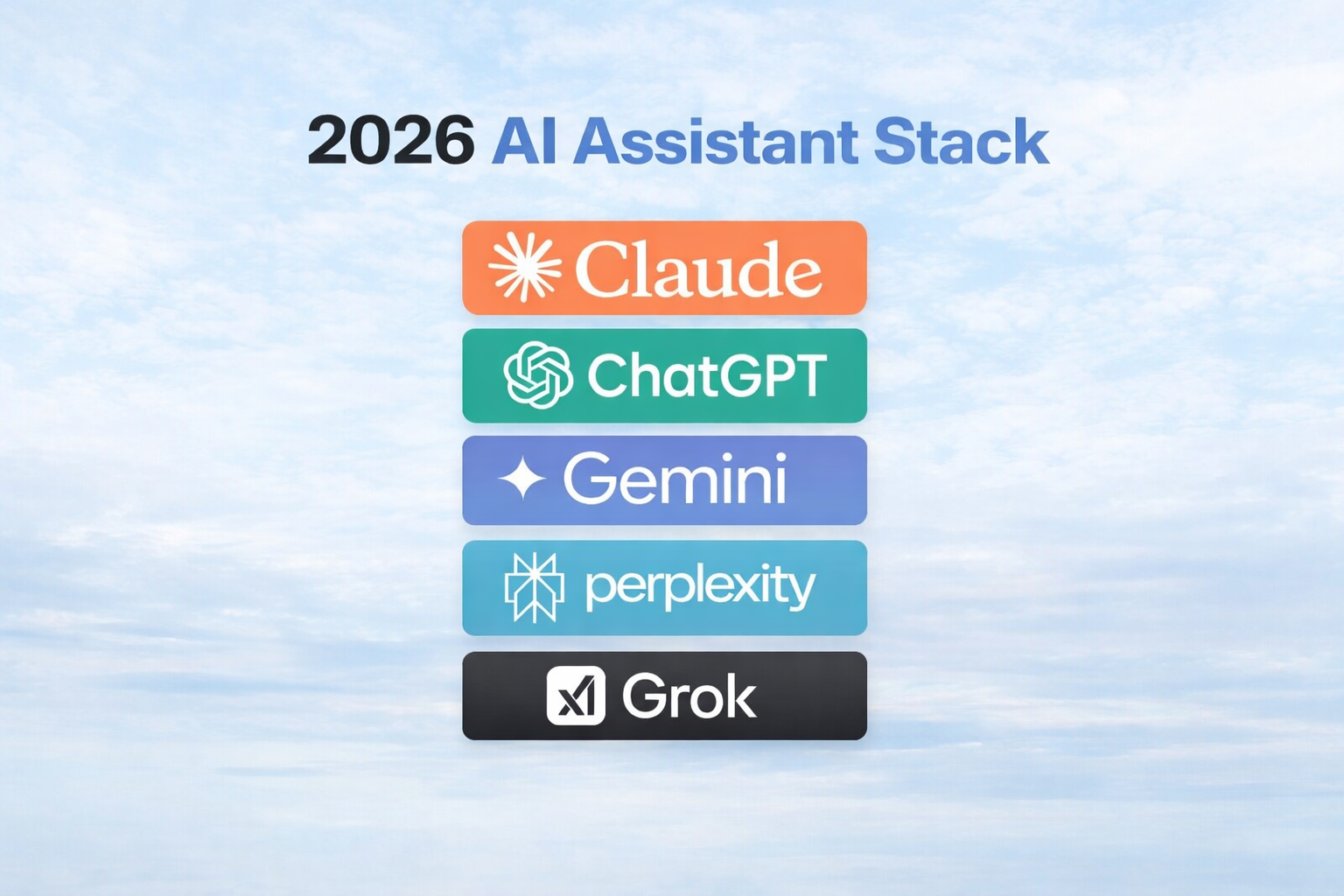
This is where Perplexity Computer gets interesting. Instead of being locked to one AI model, it picks the best model for each subtask. Claude Opus 4.6 handles core reasoning. Gemini powers deep research sub-agents. Grok handles lightweight speed tasks. ChatGPT 5.2 manages long-context recall and wide search. Nano Banana generates images. Veo 3.1 creates video.
Think of it like a manager who knows which employee is best at what and delegates accordingly. The model-agnostic approach also means Perplexity can swap in better models as they become available without rebuilding the whole system. You can even manually assign specific models to specific subtasks if you want that level of control.
How Perplexity Computer Compares to OpenClaw, Manus, and Operator
The AI agent space is crowded right now. Here is how Perplexity Computer stacks up against the competition for regular people who do not want to set up servers or manage infrastructure.
OpenClaw is free and open source, which is great. But it requires Docker, API keys, and technical setup. Security researchers have raised real concerns about giving it broad access to your computer and accounts. The creator just got hired by OpenAI, which tells you something about where that project is headed.
Manus AI runs at $199 per month with a massive waitlist. It produces polished reports but reviewers say the technical depth falls short compared to Perplexity’s research capabilities. OpenAI’s Operator takes a different approach entirely, literally watching pixels on a virtual screen and clicking through websites like a human would. It achieves about a 38% success rate on complex tasks. Impressive for a research preview. Not ready for real work yet.
Anthropic’s Claude computer use controls your actual desktop with mouse and keyboard. Anthropic themselves call it “experimental” and “error-prone” at this stage. It has literally paused coding tasks to search for national park photos.
Perplexity Computer sidesteps these problems by keeping everything inside its own sandbox. No desktop takeover. No pixel-watching. It runs code, builds apps, and generates files in its own controlled environment. For non-technical users, that “just log in and start” experience is the entire selling point.
Why This Matters More Than You Think
Perplexity is a $20 billion company with a $750 million Microsoft Azure deal, Samsung Galaxy S26 integration, and over 33 million monthly active users. That is real infrastructure behind this product. Not a side project. Not a weekend hack.
Perplexity CEO Aravind Srinivas has said Comet (their AI browser) could become the “AI operating system for white-collar workers.” Perplexity Computer is the next step in that direction. A system that does not just find information but actually builds things with it.
Is it perfect? No. Like every AI agent system right now, it still needs human supervision, especially on anything sensitive or open-ended. But the fact that AI agents are getting this capable this fast is exactly why I keep saying the real winners in this race are regular people. Every company trying to outdo each other means better tools landing in your lap every month.
Common Questions About Perplexity Computer

How much does Perplexity Computer cost?
Perplexity Computer is available to Max subscribers at $200 per month or $2,000 per year. The $20 per month Pro plan gives access to Research and some Labs features but not the full Computer capabilities.
Do I need technical skills to use Perplexity Computer?
No. Unlike OpenClaw or other open-source agents, Perplexity Computer runs entirely inside Perplexity’s interface. You type what you want done in plain English and it handles the research, coding, and building for you. No servers, no Docker, no API keys.
Is Perplexity Computer safe to use with sensitive data?
Every task runs in an isolated compute environment, which is safer than agents that take over your actual desktop. However, you should still be careful about which accounts and documents you connect. Perplexity does not access your personal computer directly.
Related reading: OpenClaw and Moltbook: What the Hype Is Actually About | 5 AI Agent Workflows Worth Automating First | New to AI? Start here



Leave a Reply