ℹ️ Quick Answer: A wave of solo AI builders and tiny teams are creating tools that millions of people use, generating six and seven figure monthly revenue, and attracting attention from the biggest companies in tech. None of them had major funding. Most started with a weekend project. Their stories prove the barrier to building something real has never been lower.
What’s inside
- Why AI Builders Are the New Startup Founders
- Nick Dobos Makes $733K a Month With 100 AI Tools
- Bhanu Teja P Replaced His Entire Team With AI Agents
- Louis Knight-Webb Turned Down Six Figures to Stay Indie
- Michael Magan Went From Hackathon to Fortune 1000
- What These AI Builders Mean for Your Future
AI builders are quietly reshaping the tech industry, and most people have not noticed yet. When Peter Steinberger got hired by OpenAI last week, it felt like a one off. An experienced developer builds something viral, gets scooped up by big tech. Cool story. Move on.
My curious nature got the best of me and I started digging. Steinberger is not an anomaly. He is part of a pattern that is picking up speed. Solo developers and tiny teams are building AI tools that compete with products from companies with hundreds of employees. Some are pulling in more revenue per person than most venture backed startups ever will.
Here are five AI builders who prove the old rules do not apply anymore.
Why AI Builders Are the New Startup Founders
The traditional startup path used to look like this. Spend months building a prototype. Raise a seed round. Hire a team. Spend two years trying to find product market fit. Maybe get acquired. Probably run out of money.
AI flipped that whole process. Tools like Claude Code, Cursor, and Replit dropped the build cost to almost nothing. One person with a laptop and an API key can now ship products that would have required a ten person engineering team three years ago. Vibe coding tools let you describe what you want and the AI writes it. The only barriers left are having an idea and being willing to put it out there.
Nick Dobos Makes $733K a Month With 100 AI Tools
Nick Dobos runs BoredHumans.com, a collection of over 100 free AI tools that generates $733,000 per month through ads and premium features. He built the whole thing solo with no computer science degree and no investors.
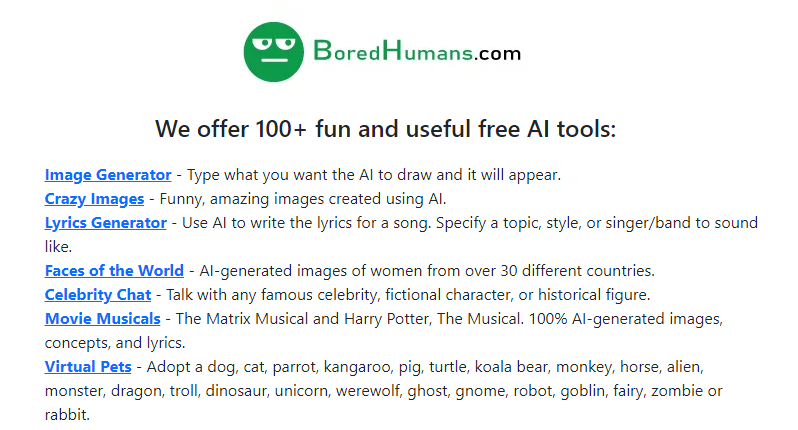
Nick took a completely different approach than most. Instead of building one viral product, he built over a hundred. BoredHumans.com is a collection of free AI tools covering everything from song lyric generators to chess games to image manipulation. He is self taught. No CS degree. No outside money.
The platform generates roughly $733,000 per month through ads and premium features. That is $8.8 million a year from one guy running a website full of AI experiments. His strategy was volume and variety rather than betting everything on one product. If one tool does not take off, the other 99 keep the lights on.
Bhanu Teja P Replaced His Entire Team With AI Agents
Bhanu Teja P built SiteGPT as a solo weekend project, grew it to $13,000 in monthly recurring revenue, then replaced his marketing department with OpenClaw AI agents that handle SEO research, social media, and competitor monitoring automatically.
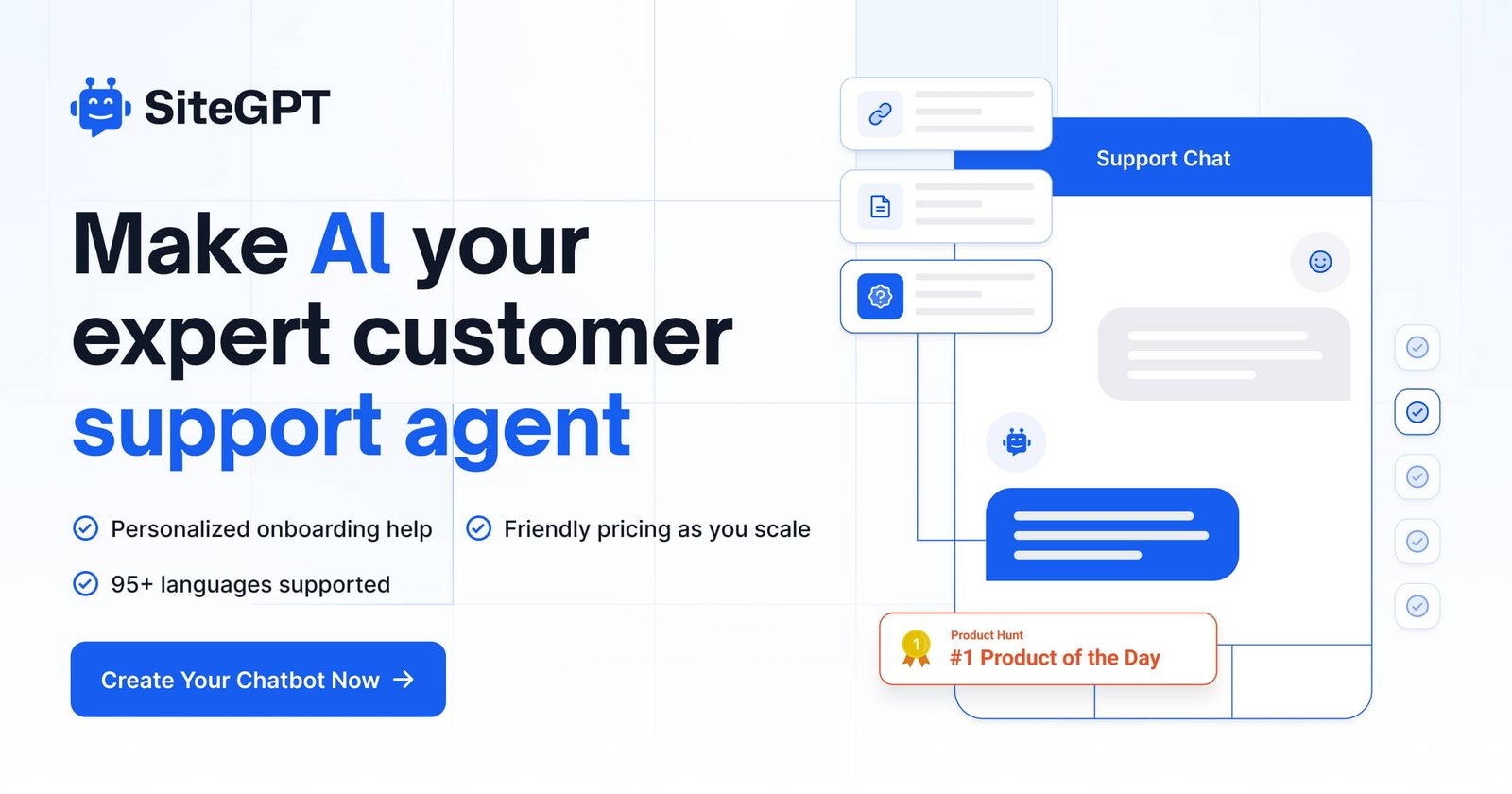
Bhanu Teja P started SiteGPT as a weekend project. The idea was simple. Let website owners train AI chatbots on their own site content. He built it solo in Python and grew it to $13,000 in monthly recurring revenue without a single employee.
Then he took it further. Instead of hiring a marketing team, he built what he calls “Mission Control” using OpenClaw agents. These AI agents now handle his SEO research, social media posting, and competitor monitoring. One founder running an entire department of AI workers. I have not seen a more literal example of replacing yourself with AI, and it is actually working. For solo AI builders watching their overhead, this is the playbook.
Louis Knight-Webb Turned Down Six Figures to Stay Indie
Louis Knight-Webb built Vibe Kanban, an open source tool for managing multiple AI coding agents, hit 20,000 GitHub stars, and turned down six figure enterprise deals to keep the project independent.
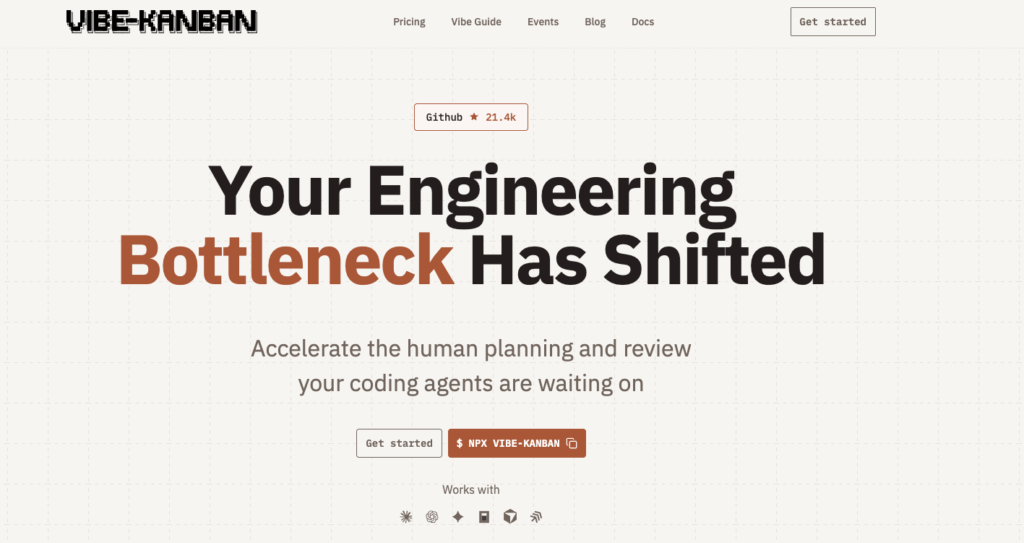
Louis Knight-Webb spent years building devtools for large enterprises. Then he walked away to build Vibe Kanban, an open source tool that gives developers a Kanban style interface for managing multiple AI coding agents working on tasks simultaneously.
It hit 20,000 GitHub stars in a few months. Enterprise companies started showing up with six figure deals. He said no. In a Scaling DevTools podcast interview, he explained that he deliberately chose to keep it independent and open source rather than take the money. In a world where every successful AI project seems to get absorbed by a bigger company within weeks, that is a pretty fascinating choice.
Michael Magan Went From Hackathon to Fortune 1000
Michael Magan and his cofounders built Tambo, an open source AI orchestration framework for React, at a hackathon. Both indie hackers and Fortune 1000 companies now use it to wire up multi agent UX flows into production web apps.
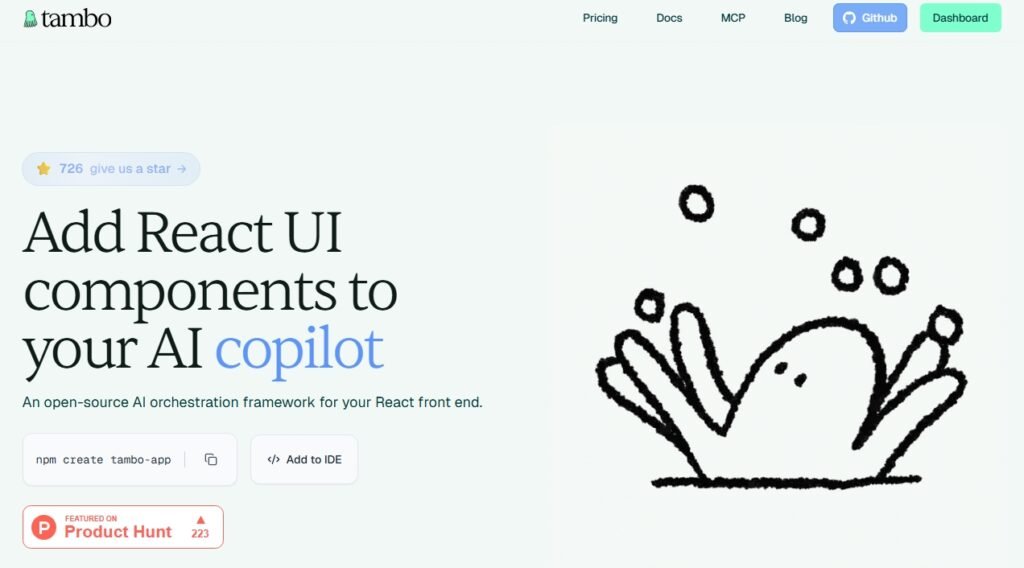
Michael Magan previously worked as a product manager at Taxbit, Convoy, and Indeed. He met his cofounders at a hackathon and they built Tambo, an open source AI orchestration framework for React that lets developers wire up multi agent UX flows into web apps.
The pitch is dead simple. Go from idea to working demo in a weekend, then from demo to production without a rewrite. Indie hackers and Fortune 1000 teams are both using it. Community builders have spun up full AI app builders in just a few hours using Tambo as the foundation. A small hackathon team is now providing infrastructure that massive companies depend on. That kind of trajectory is becoming normal for ambitious AI builders in 2026.
What These AI Builders Mean for Your Future
The barrier to building a real software product has collapsed. You do not need to code from scratch, raise venture capital, or live in San Francisco.
Look at what these five people have in common. Someone had an idea they could not shake. AI gave them the tools to build it without needing permission, funding, or a team. They shipped it. People showed up.
Peter Steinberger built OpenClaw from Vienna. Nick Dobos is self taught. Bhanu Teja P started with a weekend project. The walls that used to keep regular people out of tech are falling apart.
If you have been sitting on an idea, waiting for the “right time” or the “right resources,” the excuses are running out. The tools exist. The cost is near zero. The only thing standing between you and these stories is the decision to start. You do not even need to write code anymore.
The best time to build something with AI was six months ago. The second best time is today.
Related reading: 4 regular people who became AI millionaires | 5 vibe coded apps with real revenue | New to AI? Start here
WHO WROTE THIS
Moses Smith. I write Everyday AI for people who aren’t engineers. I go try the tools, then tell you honestly whether they were worth it. Sometimes the answer is no, and that’s kind of the point.
This blog is free and has no ads. If it saved you some time, you can buy me a coffee.