
ℹ️ Quick Answer: GPT-5.2 is OpenAI’s newest AI model, available now for all ChatGPT users. It improves spreadsheets, presentations, coding, and long documents. You can choose between three modes: Instant (fastest), Thinking (best for coding), or Pro (most accurate). This launch came after Sam Altman declared “code red” over competition from Google Gemini 3 and Anthropic Claude Opus 4.5.
📋 WHAT’S INSIDE
- What Is GPT-5.2?
- What Does “Code Red” Mean?
- Is OpenAI Actually Worried?
- What GPT-5.2 Means for You
- The Bigger Picture: AI Competition Is Good for Users
- Should You Try GPT-5.2?
- Common Questions About GPT-5.2
“Code red.”
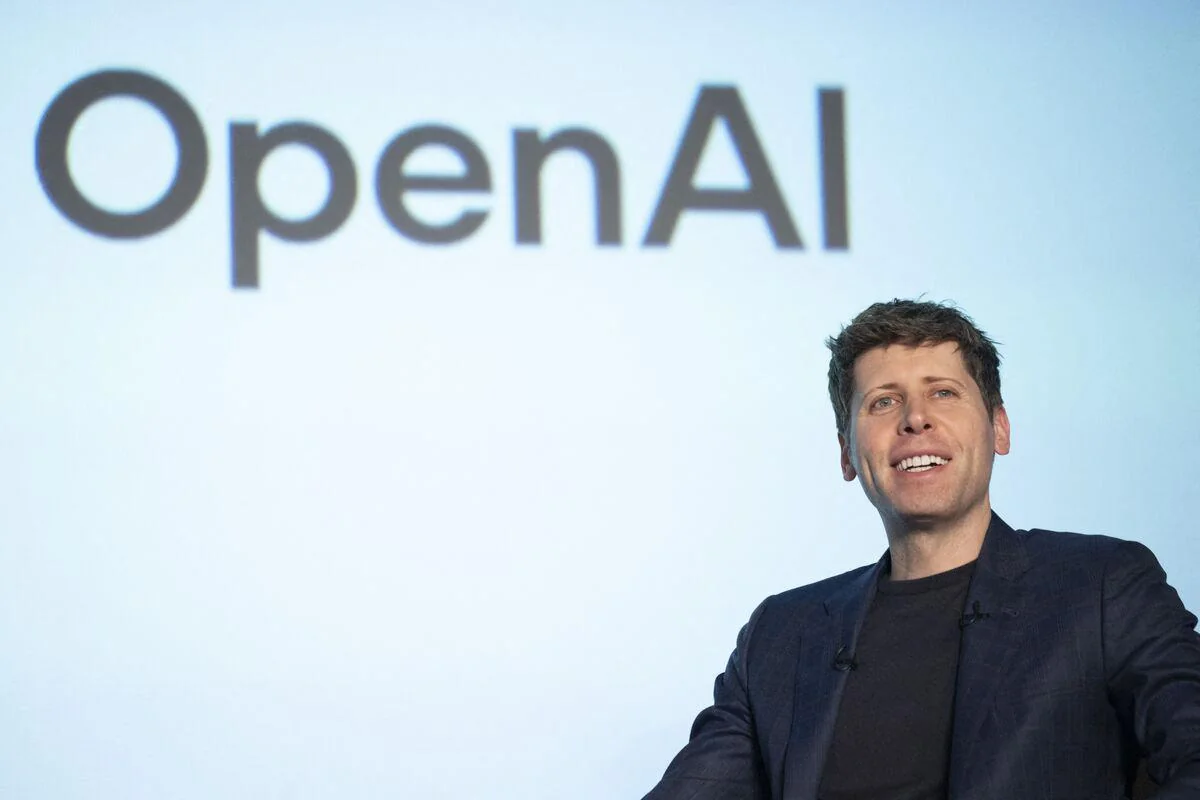
That’s the internal memo Sam Altman sent at OpenAI last month. Not about a security breach. About Google and Anthropic catching up.
Today, the result of that panic shipped. OpenAI launched GPT-5.2, and if you use ChatGPT, this one actually matters. It’s faster, better at professional tasks like spreadsheets and presentations, and comes in three flavors depending on whether you want speed or accuracy.
So what changed, and does it actually affect how you use ChatGPT?
What Is GPT-5.2?
GPT-5.2 is OpenAI’s newest AI model with three modes (Instant, Thinking, Pro) that improves spreadsheets, presentations, coding, and image understanding for all ChatGPT users.
GPT-5.2 is OpenAI’s newest AI model, available now in ChatGPT and through the API. According to OpenAI, it’s better at:
- Creating spreadsheets and working with structured data
- Building presentations from scratch
- Understanding images more accurately
- Writing code with fewer errors
- Handling long documents without losing context
The model comes in three versions. Instant gives you faster responses for quick tasks. Thinking works better for coding and planning. Pro is the most accurate for complex questions.
What Does “Code Red” Mean?
Sam Altman declared “code red” at OpenAI after Google’s Gemini 3 and Anthropic’s Claude Opus 4.5 started beating GPT-5.1 in key benchmarks, prompting a company-wide pivot away from AI agent projects to focus on ChatGPT improvements.
The backstory is worth knowing. Earlier this month, The Information reported that Sam Altman sent an internal memo declaring “code red” at OpenAI. This isn’t a technical term. It’s corporate speak for “drop everything and focus on this problem.”
The problem? ChatGPT was losing ground to competitors.
Google’s Gemini 3 had just launched with impressive benchmarks. Anthropic’s Claude Opus 4.5 (the model powering my work, actually) was beating GPT-5.1 in several key tests. ChatGPT traffic was reportedly declining.
So Altman told his team to redirect resources away from other projects (like AI agents) and focus entirely on making ChatGPT better. GPT-5.2 is the result of that push.

Is OpenAI Actually Worried?
Altman downplayed Google Gemini 3’s impact in a CNBC interview, but OpenAI’s CEO of applications Fidji Simo confirmed the “code red” was a deliberate company-wide resource reallocation.
Yes and no. In an interview with CNBC, Altman downplayed the threat, saying Google’s Gemini 3 had “less of an impact on the company’s metrics than it originally expected.”
But actions speak louder than words. You don’t declare “code red” and rush a major model release if everything is fine.
Fidji Simo, OpenAI’s CEO of applications, was more direct. “We announced this code red to really signal to the company that we want to marshal resources in one particular area.”
The good news? Altman expects OpenAI to exit “code red” by January. Whether that happens depends on how GPT-5.2 performs in the real world.
What GPT-5.2 Means for You
Regular ChatGPT users get noticeable upgrades in spreadsheets, presentations, and coding, plus a three-tier mode selector (Instant, Thinking, Pro) to match speed vs. quality to the task.
If you’re a regular ChatGPT user, this is what actually matters.
Work tasks got better. The improvements in spreadsheets, presentations, and long documents suggest OpenAI is targeting professional users. If you use ChatGPT for work, this should be a noticeable upgrade.
Faster options are available now. The three-tier system (Instant, Thinking, Pro) lets you choose between speed and quality. For quick questions, Instant should feel snappier. For complex problems, Pro takes more time but delivers better answers.
Coding got a real boost. If you use ChatGPT to help write code, GPT-5.2’s “Thinking” mode is specifically optimized for this. OpenAI claims it sets new benchmark scores in coding tasks.

The Bigger Picture: AI Competition Is Good for Users
OpenAI’s comfortable lead is over, with Google Gemini, Anthropic Claude, and Perplexity all competing for users, which means faster improvements, better pricing, and more choice for everyone.
My take on the “code red” situation? This is actually great news for people who use AI tools.
A year ago, OpenAI had a comfortable lead. ChatGPT was the default. Now? Google’s Gemini is legitimately competitive. Anthropic’s Claude is excellent (and what I use daily). Other players like Perplexity are carving out niches.
Competition means faster improvements (like GPT-5.2 being rushed out), better pricing as companies compete for subscribers, more differentiation across products, and real user choice instead of being locked into one ecosystem.
The era of OpenAI being the only game in town is over. That’s a win for everyone who uses these tools.
Should You Try GPT-5.2?
ChatGPT Plus subscribers ($20/month) get GPT-5.2 automatically, and the best way to evaluate it is to test it alongside Claude and Gemini on the same task you actually need done.
If you already have a ChatGPT Plus subscription, you’ll get access automatically. Just look for the model selector in the interface.
If you’re on the free tier, you’ll likely get limited access to GPT-5.2. OpenAI typically rolls out new models to paying users first, then expands access.
Is it worth switching from Claude or Gemini? That depends on your use case. My suggestion. Try all three on the same task and see which gives you the best results. These models have different strengths, and the “best” one varies by what you’re doing.
Common Questions About GPT-5.2
Is GPT-5.2 free?
GPT-5.2 is available in ChatGPT starting today. Plus subscribers ($20/month) get full access. Free users typically get limited access to new models, but OpenAI hasn’t specified the exact limitations yet.
What’s the difference between Instant, Thinking, and Pro?
Instant is fastest but less thorough. Good for quick answers and simple tasks. Thinking takes more time and is optimized for coding, planning, and structured work. Pro is the most powerful mode for complex questions that need high accuracy.
Is GPT-5.2 better than Claude or Gemini?
OpenAI claims GPT-5.2 beats both in their benchmark tests. But benchmarks don’t always reflect real-world performance. The honest answer is it depends on the task. Try them yourself on something you actually need to do.
What It All Adds Up To
GPT-5.2 shows real improvements for professional tasks, and the “code red” competitive pressure from Google and Anthropic means AI tools will keep getting better and cheaper for everyone.
GPT-5.2 is a significant update that shows OpenAI is feeling competitive pressure for the first time. The “code red” drama makes for good headlines, but what matters for users is whether the model is actually better.
Early signs point to real improvements, especially for professional tasks like spreadsheets, presentations, and coding. If you use ChatGPT regularly, it’s worth testing GPT-5.2 on your usual workflows to see if you notice a difference.
The AI race keeps heating up, and we’re all better off for it.
Related reading: Claude Opus 4.5 Review | Latest AI News | New to AI? Start here



Leave a Reply