
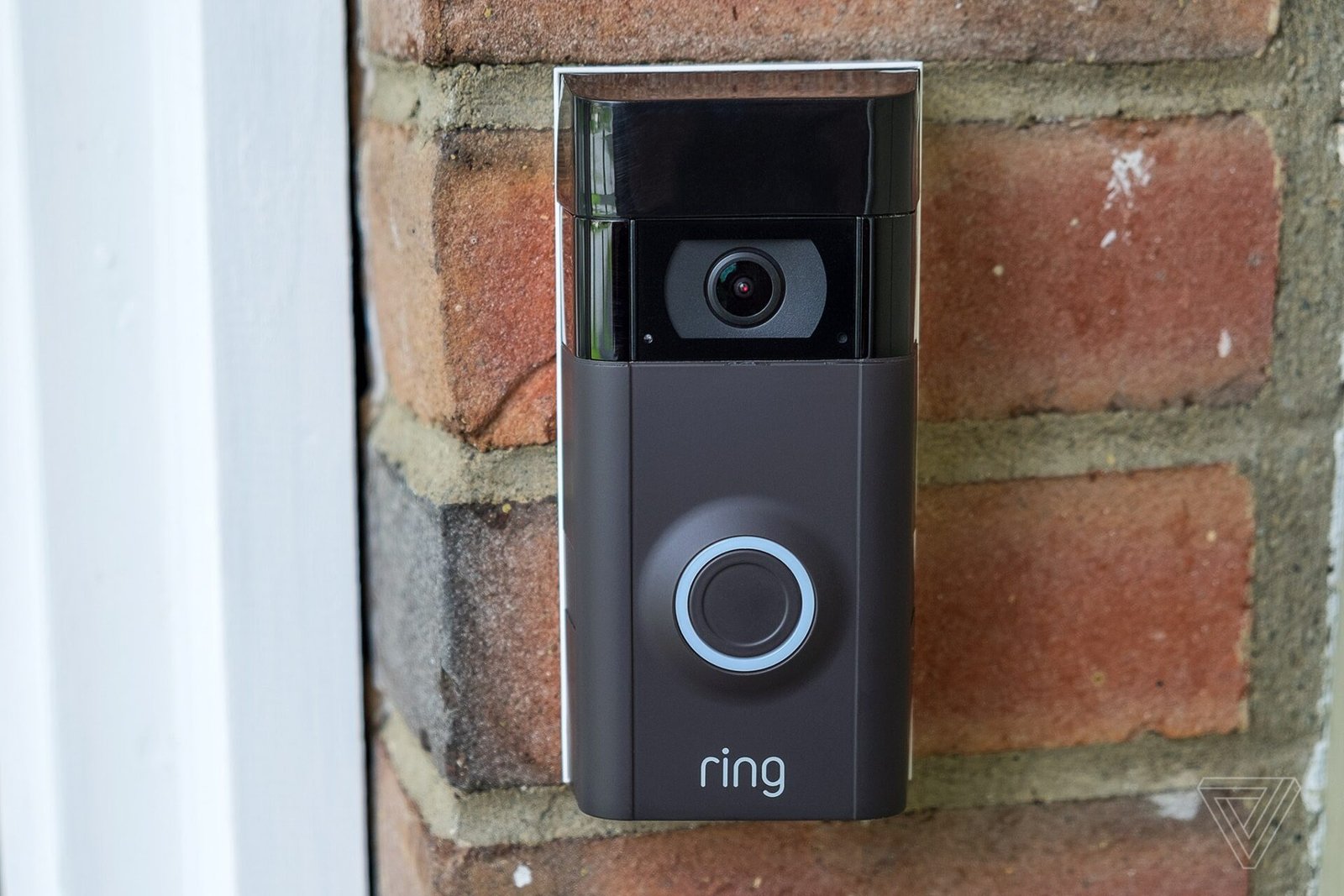
ℹ️ Quick Answer: Ring AI features are rolling out that learn your home’s normal routine and only ping you when something is genuinely out of the ordinary, plus a new tool that lets the camera play an automated spoken warning when it spots a person. Both need a compatible Ring subscription with Video Descriptions turned on.
📋 WHAT’S INSIDE
- What the New Ring AI Features Do
- AI Unusual Event Alert: Fewer Junk Pings
- Active Warnings: A Camera That Talks Back
- The Quiet AI Upgrades That Actually Matter
- The Honest Limits of Ring AI Features
Last updated July 23, 2026
I own a Ring camera, and it’s cried wolf on me more times than I can count. I open my own front door to grab a package off the step, and my phone lights up like there’s a stranger on the porch. Not quite, it’s just me.
So the news that Ring is rolling out AI that learns your home’s routine got my attention. The pitch is fewer pointless alerts, and that’s exactly the itch I want scratched. The one thing I don’t want is for it to swing too far the other way and go quiet when someone actually is at my door.
I will give credit where it’s due, it’s already gotten smarter. These days it’ll tell me a package was dropped off instead of just barking “motion detected.” That kind of small, useful upgrade is the whole reason I wanted to write about this one.
What the New Ring AI Features Do
Ring is rolling out two AI features. AI Unusual Event Alert learns your home’s normal patterns and only alerts you to activity that’s out of the ordinary. Active Warnings lets the camera play an automated spoken warning when it detects a person.
Ring showed both off at CES 2026, and they’re reaching cameras now for people on a compatible subscription with Video Descriptions switched on. Video Descriptions is the older feature, from June 2025, that reads the scene and texts you a plain description of what triggered the camera instead of a generic motion ping. Both of the new tools are built on top of it.
There is a catch on availability I want to mention. The features aren’t offered in Illinois, because that state’s biometric privacy law puts tight limits on this kind of video analysis. If you’re elsewhere in the US and you pay for a qualifying plan, you’re in the pool.
AI Unusual Event Alert: Fewer Junk Pings

AI Unusual Event Alert studies what a normal day looks like at your specific camera, then only notifies you when something breaks the pattern. Ring’s own example is a pack of coyotes wandering into a yard that never sees coyotes.
This is the one I actually want. Because every home is different, what counts as unusual is set per camera. Your mail carrier showing up at 2pm every day becomes background noise. A stranger circling your car at midnight becomes the alert that cuts through.
That’s the promise, anyway. My worry is the flip side. Tune the filter too tight and it might decide a real visitor is just another Tuesday and stay quiet. I’d rather it err toward telling me and let me make the call. Ring does let you set it to notify you only when something’s out of the ordinary, so you can dial in how much it holds back, which helps.
Active Warnings: A Camera That Talks Back
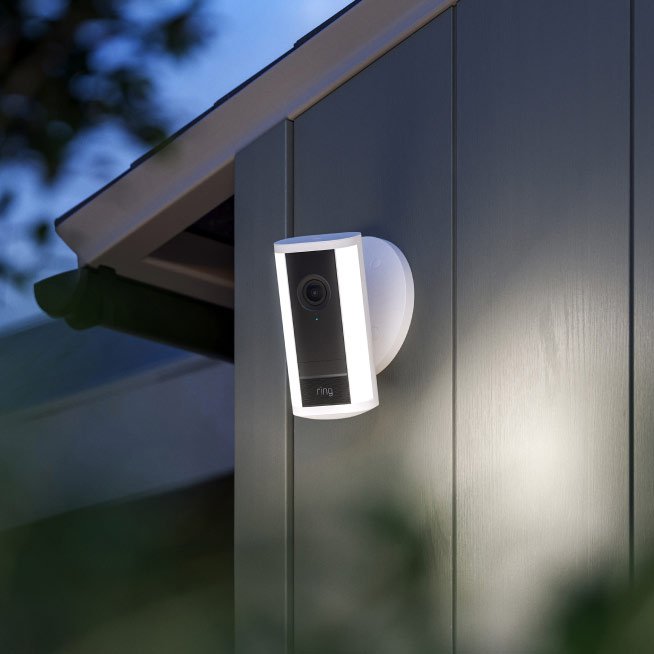
Active Warnings is the bolder one. When a Ring camera spots a person, its computer vision reads the situation and plays an automated, context-aware audio warning to deter them, with no button-press from you.
The warning changes based on what the camera sees, like where the person is standing and what they’re doing. You choose which cameras issue warnings in each mode, whether your system is set to Away, Home, or Disarmed.
If you pay for Ring’s Virtual Security Guard tier, a trained agent also reviews the event while the automated warning buys time. Without that tier, the AI is making the call on its own about who gets warned. The appeal is obvious. A camera that scares off a porch pirate before anything happens is a win. The open question is accuracy, because a camera that confronts a lost delivery driver or a kid grabbing a ball off the lawn is a worse look. It’s the same discomfort a lot of people have about AI making judgment calls, whether it’s a chatbot quietly building a profile of you or a camera sizing up a stranger on your steps.
The Quiet AI Upgrades That Actually Matter
The headlines go to the big model launches, but a lot of the AI that actually changes your day is small and quiet, like a camera that finally stops crying wolf.
The part of this story I keep coming back to is simple. Every week the AI conversation gets dominated by the same few names. A new Claude model, a new GPT, who’s winning the benchmark race. That stuff matters, and we cover it. Underneath it, though, there’s a steadier stream of small upgrades landing in the tools regular people already own, and those rarely get the same airtime.
A doorbell that learns your routine won’t trend on launch day. It also might do more for your actual Tuesday than the model release everyone argued about that morning. That’s the kind of everyday AI I think is worth pointing at, because it’s the version most people will genuinely feel.
The Honest Limits of Ring AI Features
The Ring AI features aren’t free or universal. They ride on a compatible paid Ring plan with Video Descriptions on, they’re still rolling out, and the smarter filtering only helps if it doesn’t overcorrect and hide a real visitor.
You need a compatible Ring subscription with Video Descriptions enabled, so this sits on top of a paid plan and not the free tier. AI Unusual Event Alert is rolling out in beta, so it will keep changing, and it may not be on your camera yet. As noted, it’s also not available in Illinois at all, thanks to that state’s biometric law.
The bigger caveat is the one from my own porch. Any system that decides what’s worth flagging can decide wrong. Give it too much rope and it might mute the exact alert you needed. Check its behavior for a week or two after you turn it on, the same way you’d keep an eye on the new AI in your phone when it starts making calls for you.
What are Ring’s new AI features?
Ring is rolling out two. AI Unusual Event Alert learns your home’s normal activity and only notifies you when something is out of the ordinary. Active Warnings lets the camera play an automated spoken warning when it detects a person. Both need a compatible Ring subscription with Video Descriptions enabled.
Do the Ring AI features cost extra?
They require a compatible paid Ring subscription with Video Descriptions turned on, so they aren’t part of the free experience. If you already pay for a plan that qualifies, there is no separate charge called out for them.
Will Active Warnings talk to people without me?
Yes. Once enabled, Active Warnings can deliver an automated, context-aware audio warning when the camera detects a person, without you pressing anything. If you subscribe to Virtual Security Guard, a trained agent also reviews the event.
Are the Ring AI features available everywhere?
Not yet. They are rolling out to eligible subscribers and some pieces are in beta, so you may not see them immediately. They are also not available in Illinois due to the state’s biometric privacy law.
I’ll be watching how the false alerts actually shake out on my own camera, and I’ll report back if it finally learns that I live here. If your Ring has these, open the settings and tune them to how your home really works.
Related reading: ChatGPT is building a profile of you | The iOS 27 Siri privacy trade-off | Physical AI is coming to your home | New to AI? Start here
WHO WROTE THIS
Moses Smith. I write Everyday AI for people who aren’t engineers. I go try the tools, then tell you honestly whether they were worth it. Sometimes the answer is no, and that’s kind of the point.
This blog is free and has no ads. If it saved you some time, you can buy me a coffee.









Leave a Reply