

ℹ️ Quick Answer: GPU prices have roughly doubled because AI data centers are buying up the world’s memory chips. The RTX 5090 launched at $1,999 and now sells above $4,300, DDR5 RAM jumped about 110% in early 2026, and IDC projects AI will absorb around 70% of global memory output this year. Regular PCs and laptops are next.
📋 WHAT’S INSIDE
- Why GPU Prices Doubled
- It’s Not Just Graphics Cards
- We’ve Seen This Before, With One Big Difference
- What You Can Actually Do
- Will Prices Ever Come Down?
Last updated August 4, 2026
Go price a graphics card today and you’ll see it fast. The RTX 5090 launched at $1,999 and now sells above $4,300, with some board partner versions clearing $5,000. That’s the sticker price at regular retailers.
We spend a lot of time on this site covering the useful side of AI, the tools that save you time and the features worth turning on. This is the other side of the ledger, and I think it’s the first time regular people are going to genuinely dislike what AI is doing to their everyday life. Nothing just gives without taking. This is the taking.
Why GPU Prices Doubled
GPU prices doubled because AI data centers are outbidding everyone for memory chips. IDC projects AI will absorb about 70% of the world’s memory output in 2026, up from 20 to 30% in 2022, and the memory on a graphics card is now its single most expensive part.
The mechanics are simple even if the numbers are wild. The same factories that make the memory in your graphics card also make the high-bandwidth memory that AI chips need, and the AI side pays whatever it takes. Micron’s high-bandwidth memory is effectively sold out for all of 2026. Samsung and SK Hynix are shifting production the same direction, because a data center buyer with a blank check beats a gamer with a budget every time.
The result shows up in the card’s build cost. The 16GB of GDDR7 memory on a high-end card cost about $65 to $80 in mid-2025. By the end of the year it passed $200, and memory now makes up more than 80% of the total cost of building some cards. When the parts double, the sticker doubles.
It’s Not Just Graphics Cards
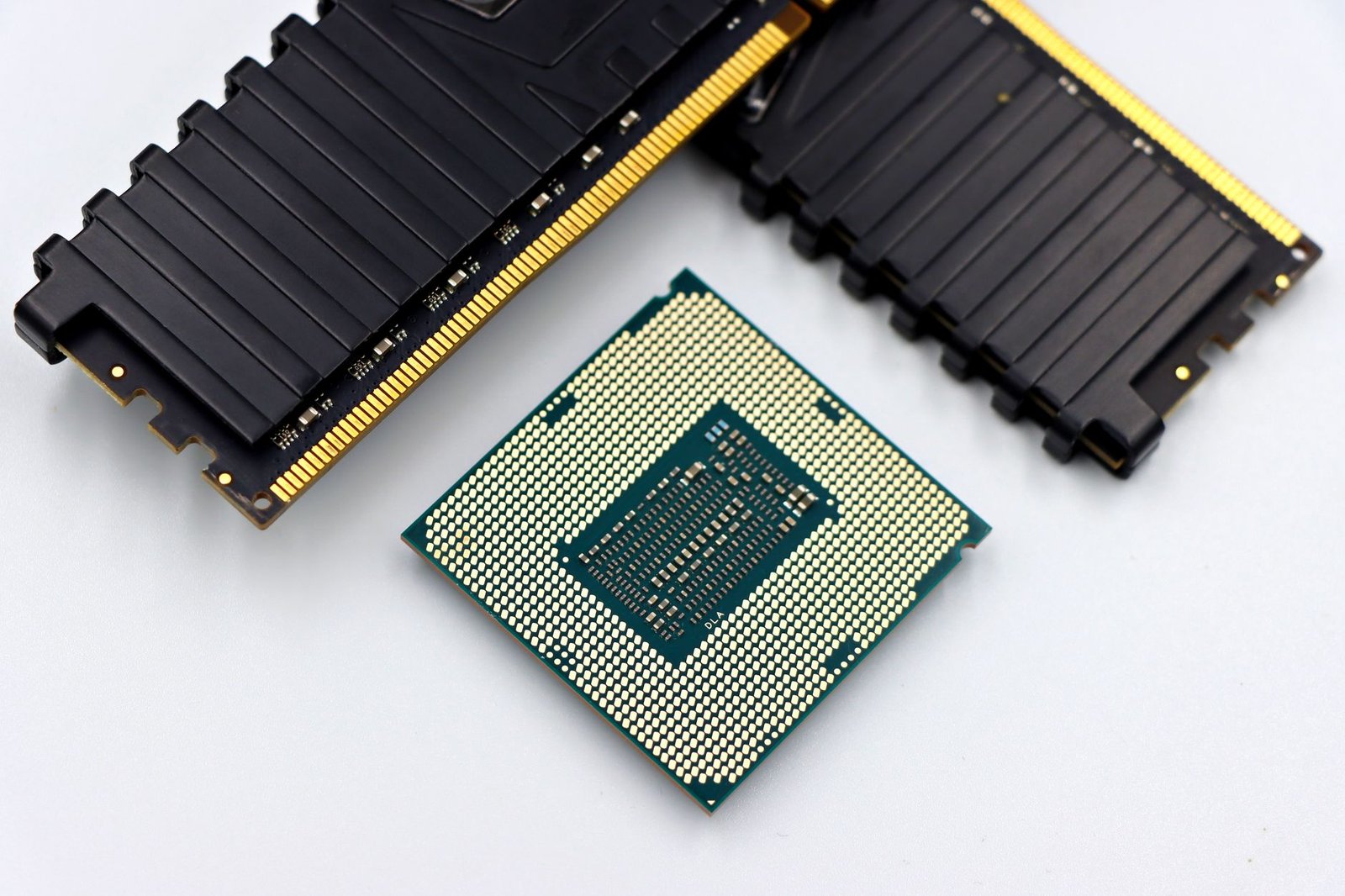
The same shortage is hitting ordinary computers. DDR5 RAM prices jumped about 110% in the first quarter of 2026, and laptop makers like Lenovo have said they have no choice but to raise prices.
This is the part that reaches people who couldn’t care less about gaming. The memory crunch touches anything with RAM in it, and that’s every laptop, phone, and console on the shelf. The AI boom is also raising the bar on how much memory new devices need, so manufacturers are paying more per chip and needing more chips at the same time. You pay for both ends of that squeeze.
We’ve Seen This Before, With One Big Difference
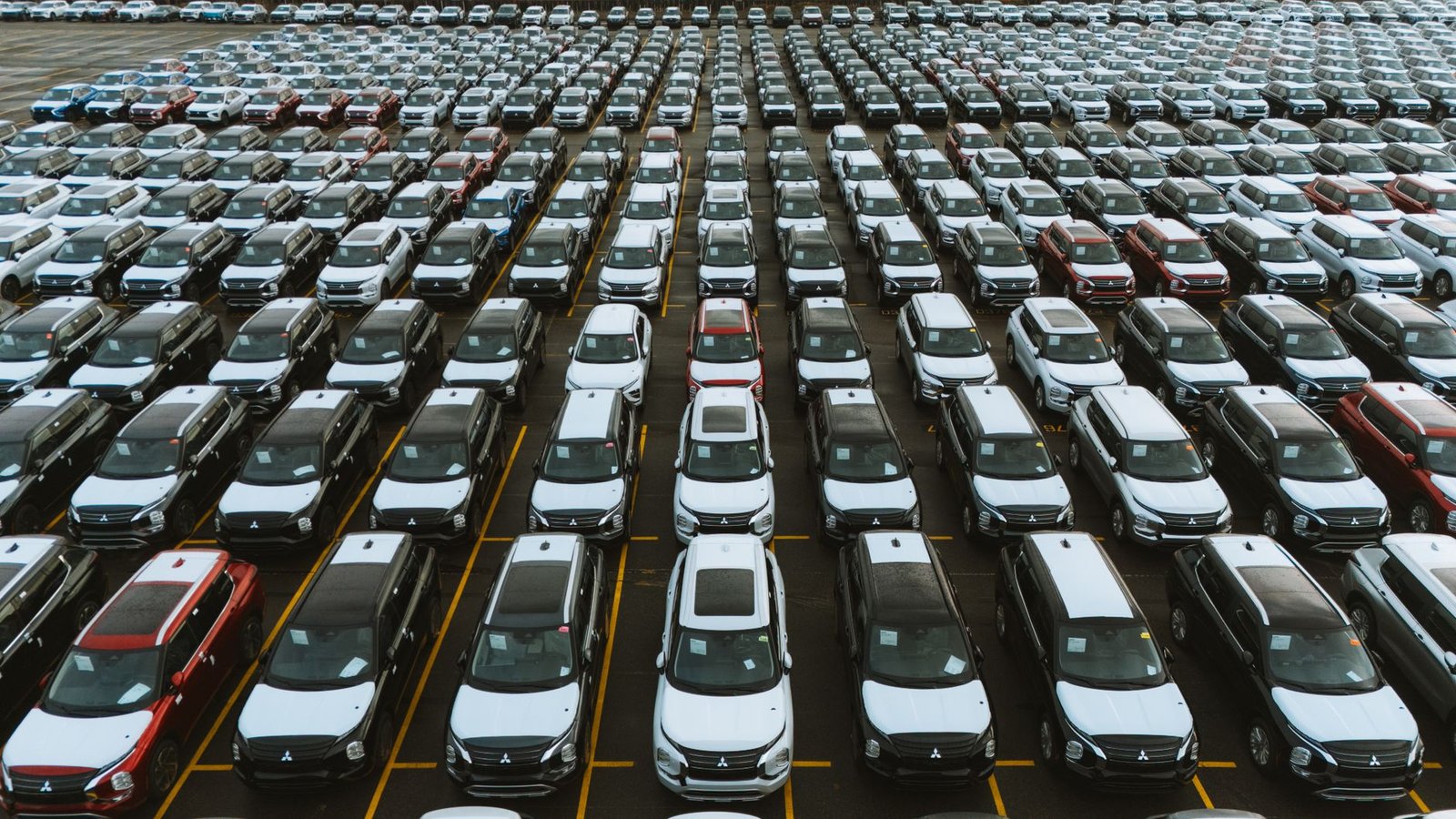
The COVID chip shortage is the obvious comparison, when GPUs vanished, new cars got expensive, and even used cars cost more than they had any right to. The difference is that shortage came with an end in sight.
I remember how mad people were then. Gamers couldn’t buy cards, car lots sat empty, and a three-year-old sedan somehow appreciated in value. It felt broken. People gritted their teeth through it for one reason, though. Everyone knew the cause was temporary. Once the vaccine came and factories caught up and life went back to normal, prices would level out. That’s roughly what happened.
Here’s my problem with the current version, and it’s the reason I don’t see this getting better soon. AI isn’t going anywhere. There’s no vaccine for this one, no return to normal on the calendar. The data centers being built right now are funded years into the future, and every one of them wants the same memory your PC does. So what’s the end in sight? I keep asking that question and I don’t have an answer. The people who make the memory don’t have one either, because SK Hynix’s own CEO expects the crunch to last beyond 2030, and he says 2027 will be the worst year yet.
What You Can Actually Do About GPU Prices

You can’t fix the market, but you can stop paying the worst of it. The playbook is buying last-generation or used, leaning on prebuilt machines, and stretching what you already own.
- Look at last-generation and used cards first. The performance gap between generations is smaller than the price gap right now, and a used card from an upgrade cycle is the best value on the market.
- Consider a prebuilt PC if you need a whole machine. Big manufacturers lock in memory contracts early, so a prebuilt sometimes costs less than its own parts would.
- Buy the RAM upgrade only if you actually need it. If your machine runs fine, this is the worst moment in years to add memory for fun.
- A console is the budget play. Sony and Microsoft locked their component deals long ago, so a PS5 delivers more gaming per dollar than any GPU you can buy today.
- Cloud gaming covers the gap. GeForce Now runs the newest hardware on Nvidia’s side of the wall, and renting their GPU beats paying $4,300 for your own.
Will GPU Prices Ever Come Down?
Memory makers are building new factories, and that new supply starts arriving in 2027. Whether it helps depends on whether AI demand keeps growing faster than the factories can, and so far it has.
That’s the honest case for relief, and it’s real. New fabs are under construction, and if AI spending ever cools, memory frees up fast. My own read stays where it started. The pandemic taught us prices recover when the cause goes away, and this cause has no plans to go away. Plan your next PC around today’s prices, and treat any future drop as a pleasant surprise.
Why are GPU prices so high in 2026?
AI data centers are buying most of the world’s memory chips. IDC projects AI will absorb about 70% of global memory output in 2026, memory makers are shifting production to high-bandwidth memory for AI chips, and the GDDR7 on a high-end graphics card roughly tripled in cost in a year. Memory is now over 80% of some cards’ build cost.
Will RAM and GPU prices go down soon?
Probably not soon. New memory factories start adding supply around 2027, but AI demand has been growing faster than capacity, and SK Hynix has warned the shortage could last past 2030. Prices could ease if AI spending slows, but nothing on the current calendar forces that.
Should I buy a graphics card now or wait?
If you need one, buy last-generation or used rather than waiting for new cards to drop. If your current card works, keep it. The best values right now are used cards, prebuilt PCs with locked-in memory contracts, consoles, and cloud gaming services like GeForce Now.
If your current machine still does the job, the smartest purchase this year might be no purchase at all. Hold what you have and let the data centers fight over the chips.
Related reading: What is the AI bubble? | OpenAI’s $110 billion infrastructure bet | Gemini now runs errands in 40+ apps | New to AI? Start here
WHO WROTE THIS
Moses Smith. I write Everyday AI for people who aren’t engineers. I go try the tools, then tell you honestly whether they were worth it. Sometimes the answer is no, and that’s kind of the point.
This blog is free and has no ads. If it saved you some time, you can buy me a coffee.








Leave a Reply