

ℹ️ Quick Answer: ChatGPT Health is a new feature for US adults that connects your medical records and Apple Health data to ChatGPT. It can explain your lab results, track changes and medications over time, and bring your health into everyday chats. OpenAI says the data is never used for training or ads.
📋 WHAT’S INSIDE
- What Is ChatGPT Health?
- What You Can Connect
- How to Set Up ChatGPT Health
- The Privacy Question
- What It Can’t Do
Last updated August 3, 2026
Every week, more than 300 million people ask ChatGPT a health question. That’s OpenAI’s own number, and it explains why the company just gave health its own home. ChatGPT Health rolled out to US adults on July 23, and it can now connect the stuff that actually matters. That means your medical records, your lab results, and the Apple Health data your phone has been quietly collecting for years.
You probably know the moment this is built for. A lab report lands in your patient portal, it’s twelve rows of acronyms and reference ranges, and the only thing you’re sure about is that one number has a little flag next to it. Your appointment to talk it through is in three weeks.
I wrote about where my line sits when ChatGPT started building a profile of me: use my data to make the product better, and never sell it. Health data is the biggest test of that line so far, so I went looking for OpenAI’s answer before anything else.
What Is ChatGPT Health?
ChatGPT Health is a dedicated space inside ChatGPT where you can connect medical records and health apps, then ask questions about your own information. It launched for US users 18 and older on web and iOS, and it’s included on every consumer plan, from Free to Pro.
Day to day, it compares a new lab result against your old ones and sums up what changed since your last appointment. It keeps track of your medications, connects your sleep and activity to how you’ve been feeling and it can also help you show up to an appointment with better questions.
One big feature is it works outside the Health tab. OpenAI found that among early testers, over 70% of health questions came up in normal conversations, like asking for restaurant ideas while having a food allergy. So with your permission, regular chats can now factor in what’s connected, and ChatGPT will suggest lower-impact weekend plans when it knows about a recent injury.
OpenAI says it built Health with more than 260 physicians across 60 countries, who gave feedback on model answers over 600,000 times, and it grades the models against a physician-written standard called HealthBench. Paid plans get GPT-5.6 Sol, OpenAI’s strongest health model, while free users get GPT-5.5 Instant.
What You Can Connect
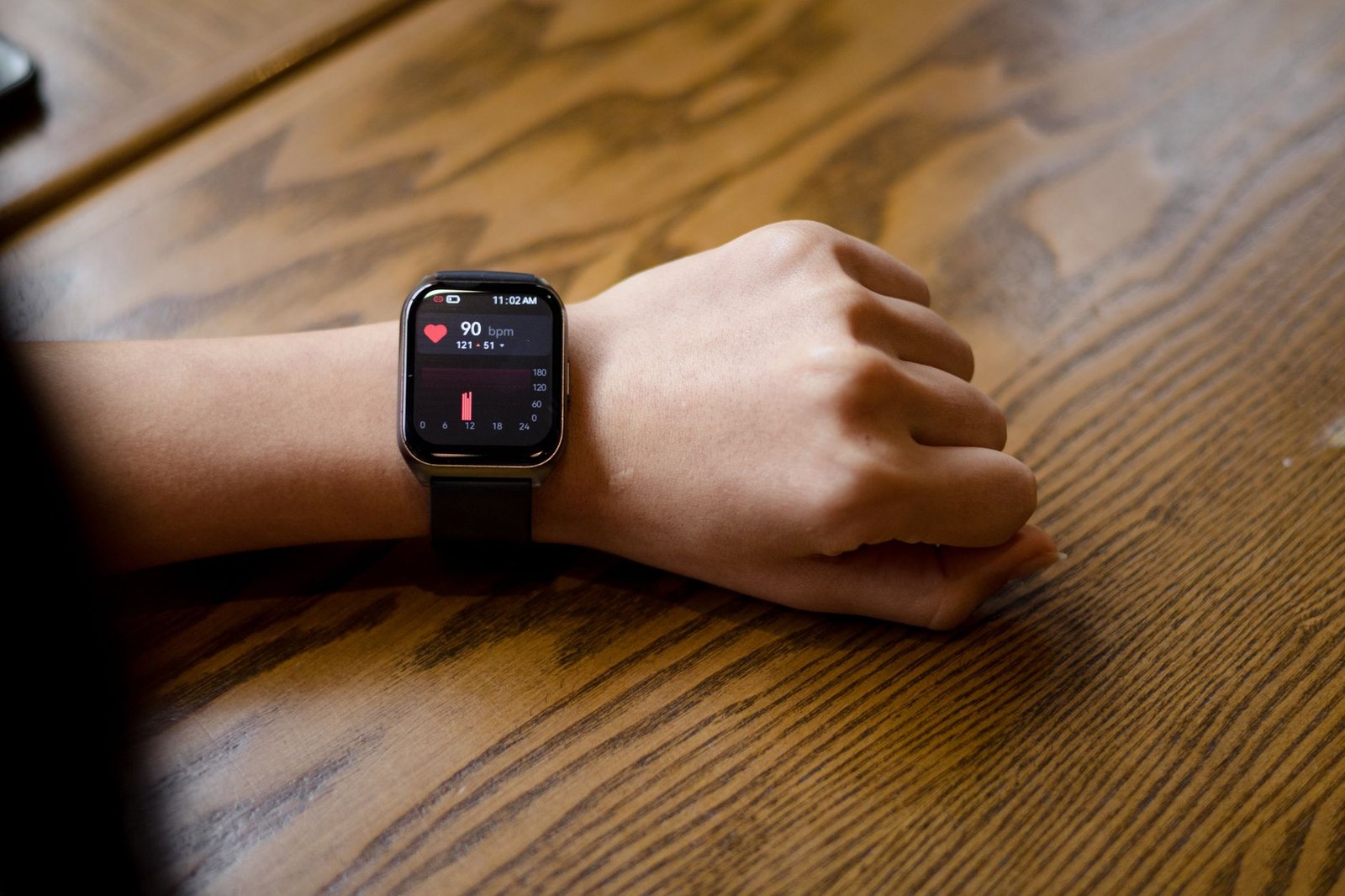
ChatGPT Health connects your official medical records through Epic and Oracle Health patient portals, plus Apple Health from your iPhone or Apple Watch. Everyday health apps like MyFitnessPal and Peloton plug in too.
The medical records piece is the big one. If your doctor or hospital uses Epic or Oracle Health for its patient portal, and a huge share of US healthcare does, you can pull in lab results, visit summaries, and your clinical history. That’s the same data you squint at in MyChart, now in a place where you can ask what it means in plain English.
Apple Health brings the lifestyle side, meaning your movement, sleep, workouts, and heart data. You need an iPhone for that sync. On top of those there’s a growing list of apps you’ll recognize. Function handles lab insights and MyFitnessPal covers nutrition. Weight Watchers brings meal guidance, AllTrails finds you a hike, Peloton suggests workouts, and Instacart turns a meal plan into a grocery list. You can also just upload files directly, so a PDF of old bloodwork from a doctor who uses neither system still works.
How to Set Up ChatGPT Health
Setting up ChatGPT Health takes about five minutes. You open Health in the ChatGPT sidebar, connect your accounts, and decide when ChatGPT is allowed to use the data.
- Open ChatGPT on the web or the iOS app and look for Health in the left sidebar. It’s rolling out, so if you don’t see it yet, check back in a few days.
- Go to Accounts inside Health and connect what you want. That can be your patient portal login for medical records, Apple Health from your iPhone, or any of the supported apps.
- Choose your permission style. By default, ChatGPT asks before using health data in any response. You can leave it that way or flip on always-allow in Settings, then Plugins, then Health.
- Turn on multi-factor authentication in Settings if you haven’t. OpenAI recommends it, and with medical records attached, it’s worth the extra 30 seconds.
From there, ask it something real. Have it walk you through your last lab report line by line, or ask what changed since the visit before. If you track sleep, this pairs naturally with what your wearables already collect, and it can look for patterns the way sleep tracking apps do, except across everything at once.
The Privacy Question

OpenAI’s policy on ChatGPT Health data is unusually direct. Connected medical records, Apple Health data, and the conversations that use them are never used to train its models and never used to target ads, no matter what your other settings say.
That’s the line I drew in the memory post, answered on paper. Improving the product with my data is fine. Selling it, or feeding it to an ad machine, is not. For Health specifically, OpenAI commits to neither, and the exclusion holds regardless of the model-training toggle you picked for regular ChatGPT.
The architecture backs it up. Health lives in its own compartment with extra encryption, and it keeps separate memories. Health information never leaks into your normal chats, while regular conversations can’t reach your Health files. Disconnect a source and OpenAI deletes its synced data within 30 days. One catch to know: anything already woven into old conversations stays until you delete those conversations yourself.
What ChatGPT Health Can’t Do
ChatGPT Health explains and organizes, it doesn’t diagnose or treat. It’s US-only for adults right now, Apple Health needs an iPhone, and records only connect if your provider uses Epic or Oracle Health.
OpenAI frames the whole feature as supporting your care, not replacing it, and that framing is worth taking seriously. A model that helps you understand a cholesterol trend is useful. It’s still an AI that can get things wrong, and no answer it gives should outrank a clinician who can actually examine you. Use it to walk in with sharper questions, not to skip the visit.
The coverage gaps are real too. No Android health sync, since Apple Health is the only wearable pipeline for now. If your small-town clinic runs neither Epic nor Oracle Health, you’re uploading PDFs by hand. Outside the US, the whole feature doesn’t exist yet.
Is ChatGPT Health free?
Yes. ChatGPT Health is included on every consumer plan, Free, Go, Plus, and Pro, for US users 18 and older on web and iOS. Paid plans use GPT-5.6 Sol, OpenAI’s strongest health model, while free users get GPT-5.5 Instant.
Does ChatGPT train on my health data?
No. OpenAI says connected medical records, Apple Health data, and any conversation that uses them are excluded from model training and from ad targeting, regardless of the training setting you chose for regular ChatGPT. Health data also gets extra encryption and its own separate memory.
What medical records can I connect to ChatGPT Health?
Records from healthcare providers that use Epic or Oracle Health patient portals, which covers a large share of US hospitals and clinics. That brings in lab results, visit summaries, and clinical history. You can also upload files like a PDF of past bloodwork directly, and connect Apple Health plus apps like MyFitnessPal, Function, and Peloton.
Can ChatGPT Health replace my doctor?
No. OpenAI positions it as support for your care, not a replacement, and the models were trained with feedback from over 260 physicians to know when to push you toward real medical help. Use it to understand your results and prepare better questions, then bring those questions to your doctor.
The next confusing lab report you get, you now have somewhere to take it. Connect what you’re comfortable connecting, keep the permission prompts on, and let your doctor stay the final word.
Related reading: ChatGPT is building a profile of you | AI health insights from your wearables | The new ChatGPT voice mode | New to AI? Start here
WHO WROTE THIS
Moses Smith. I write Everyday AI for people who aren’t engineers. I go try the tools, then tell you honestly whether they were worth it. Sometimes the answer is no, and that’s kind of the point.
This blog is free and has no ads. If it saved you some time, you can buy me a coffee.







Leave a Reply